
Precision Botox in Bangalore — Why the Mapping Matters More Than the Needle
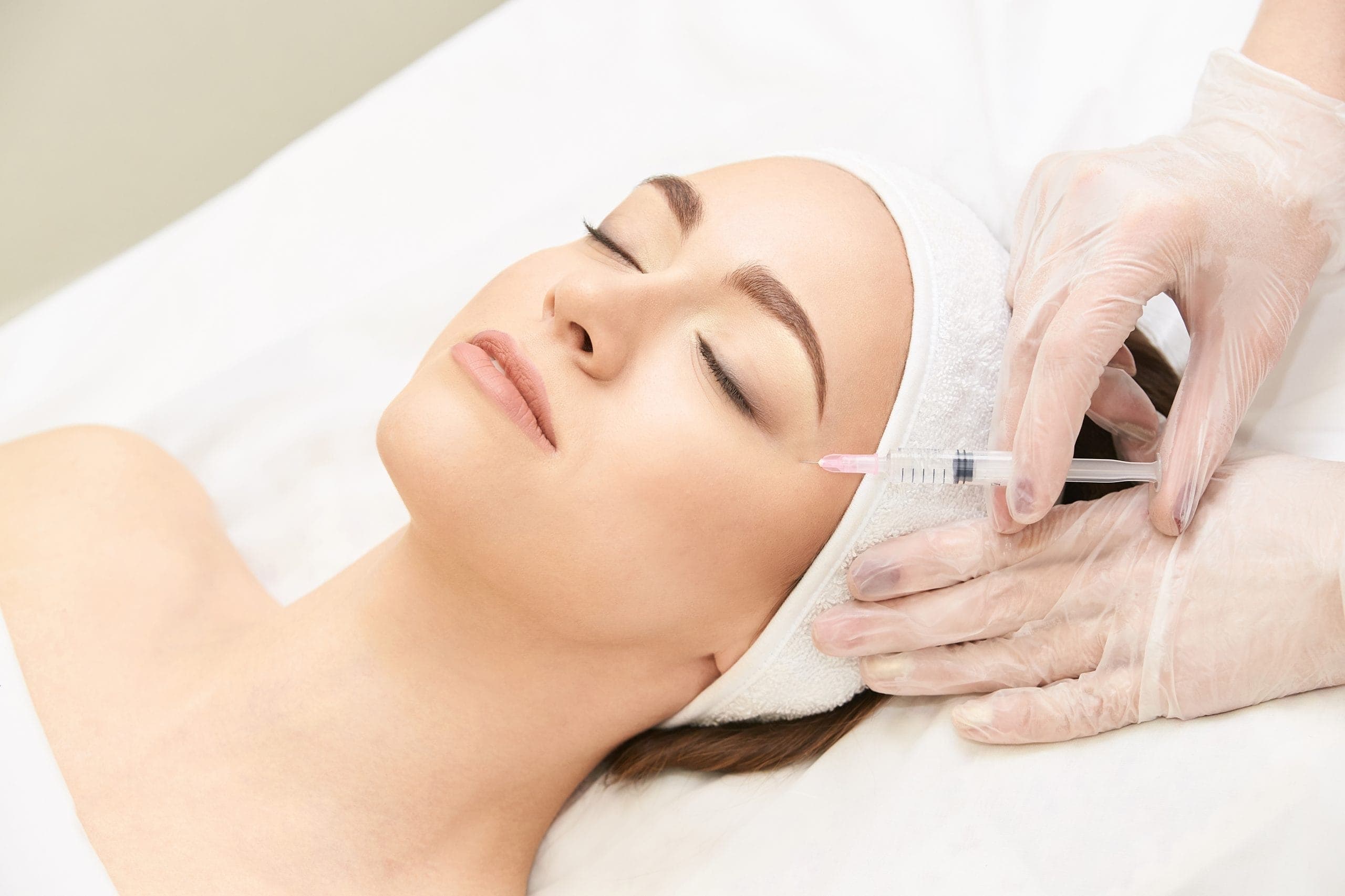
Two people walk into a clinic with the same forehead lines. One walks out looking like she slept eight hours; the other cannot raise her eyebrows for three months. Same product, same city, wildly different outcomes — because Botox is not really an injection. It is a plan, and the injection is just how the plan is delivered.
"Precision Botox" is the name we give that planning-first approach. It is not a different medicine, and any clinic claiming a special product is selling you packaging. It is a different discipline: mapping how your face moves before deciding where a single unit goes.
Why faces cannot be treated from a template
Textbook injection patterns exist, and they are where every injector starts learning. The trouble is that real faces disagree with textbooks constantly. Some people raise their brows with the whole forehead; others recruit only the outer half. Some frowns are driven by the muscles between the brows; others get help from muscles at the brow tail. Brows themselves may be held up almost entirely by the forehead muscle — treat that muscle bluntly and the brows drop, which is the single most common Botox complaint there is.
A template cannot see any of this. A doctor watching you frown, squint and raise your brows can. That examination — done at rest and in full movement, usually with the doctor asking you to exaggerate each expression — is the part of the appointment that actually determines your result.
What gets decided during mapping
Which muscles, exactly. Not "the forehead" but which fibres of it are folding the skin, and which are holding your brows where you like them.
How many units, per point. Doses are chosen per injection site, not per region. A strong corrugator might need meaningfully more than its neighbour; the outer forehead might need a fraction of the centre, or nothing.
What to leave alone. Often the most important decision. Keeping some movement is what makes a face read as alive. The goal is that colleagues ask whether you have been on holiday, not whether you have had work done.
What Botox should not attempt. If part of the concern is a static crease, volume loss or skin quality, the honest plan says so and points to fillers, micro-Botox or resurfacing instead of stretching Botox past what it can do.
The appointment, start to finish
The consultation covers your goals, medical history and any previous injectable treatment — including anything you did not love about it, which is often the most useful information in the room. The mapping examination follows, then the injections themselves: a series of small, quick pinches with one of the finest needles in medicine, over in a few minutes.
You leave with working skin and a short list of rules for the rest of the day: no strenuous exercise, no facials or massage over the area, no lying flat for four hours, and no rubbing the injection sites. Softening starts around day three to five.
The two-week review is part of the treatment, not an optional extra. Faces are not perfectly symmetrical and neither is muscle strength; the review is where a unit or two corrects any small imbalance while everything is still adjustable. Ask any clinic you are considering whether the review is included — the answer tells you how they think about results.
How results should look and behave
Expect refinement, not transformation. Lines soften over the first two weeks, expression stays, and the effect holds for roughly three to four months before movement gradually returns. Nothing sudden happens when it wears off — the face simply drifts back toward its baseline, at which point you decide whether to maintain.
With repeated sensible treatment, many patients find the interval stretches: muscles that are regularly relaxed lose some of their habit of maximal contraction, and the lines they used to carve stay shallower for longer.
Choosing an injector in Bangalore
Bangalore has no shortage of places offering Botox, from medical clinics to salon add-ons. The filter is simple and only takes three questions:
- Who injects — a doctor, or a technician? Botulinum toxin is a prescription medicine. At The Aesthetic Edge it is administered by a doctor, every time, at both our Indiranagar and Bellandur clinics.
- Will you show me the vial? FDA-approved product, opened in front of you, is a reasonable expectation, not a special request.
- What does my mapping look like? An injector working with precision can explain which of your muscles they intend to treat and why. "We do 'the standard areas'" is a template answer from a template clinic.
Pricing for Botox is quoted per unit, so the honest way to compare costs is to ask for the total units your plan needs — a low per-unit price with an inflated unit count is the oldest trick in the category. Exact numbers are confirmed at consultation, before anything is injected.
If your face is telling a story you did not write — tired, angry, older than you feel — a mapped, measured session is the difference between correcting that story and replacing it with a blanker one. Start with the consultation; the plan comes before the needle.