
Braces & Aligners in Bangalore
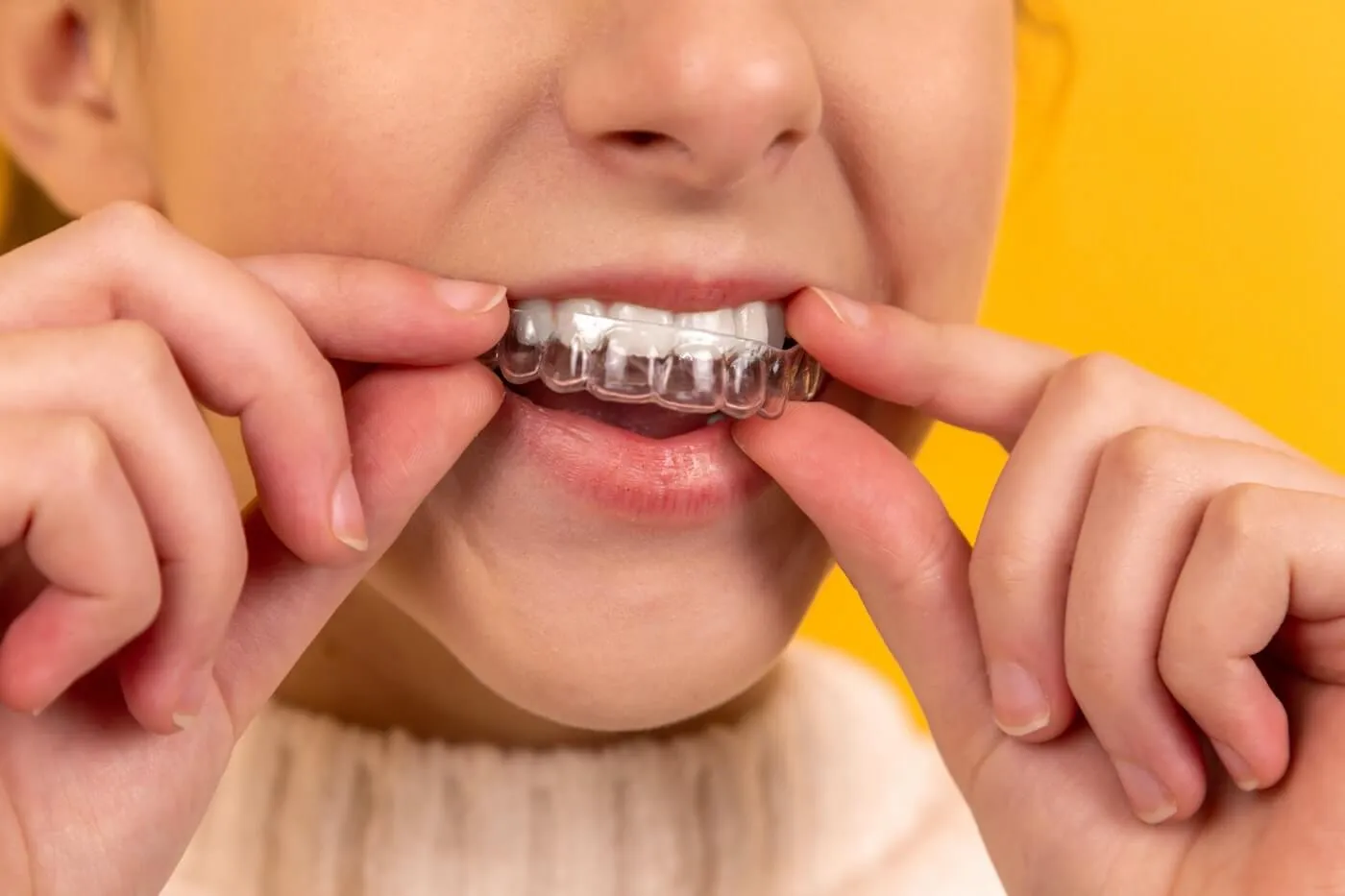
Braces and aligners both move teeth into better positions, using steady, gentle pressure over months. Braces use brackets bonded to the teeth and connected by a wire; clear aligners are removable custom trays swapped every few weeks. Which suits you depends on what needs correcting, not on preference alone.
Is this you?
What it does for you
Straightens crowded or crooked teeth
Steady pressure moves teeth through the bone into planned positions, closing gaps and unwinding crowding so the arch lines up evenly.
Corrects how your teeth meet
Overbite, underbite, crossbite and open bite are all bite problems rather than cosmetic ones. Correcting them spreads chewing force more evenly across the teeth.
Reduces wear and uneven loading
Teeth that meet badly wear unevenly and can chip or become sensitive over time. Aligning the bite takes that concentrated load off individual teeth.
Makes teeth easier to clean
Overlapping teeth trap plaque where a brush and floss cannot reach, which raises the risk of decay and gum inflammation. Straight teeth are simpler to keep clean.
Clear aligners are discreet and removable
Aligner trays are near-invisible and are taken out to eat and brush, which suits adults who do not want fixed brackets. They must be worn for most of the day to work.
Confidence in how you smile
Most patients come in for the way their teeth look. That is a legitimate reason, and the functional gains come with it.
How the treatment works
Orthodontic assessment
Examination, X-rays and impressions or a digital scan to map current tooth positions and the bite.
Choosing braces or aligners
The plan sets out which appliance suits the case, the expected duration, and what the finished result should look like.
Fitting and active treatment
Brackets are bonded, or the first aligner trays are issued. Teeth are moved in stages with regular adjustments or tray changes.
Retention
The appliance comes off and a retainer is fitted to hold the teeth in their new positions long-term.
Side effects, honestly
Most patients experience none of these. Some patients, in rare cases, may notice the following — listed because you deserve the full picture before you decide.
Soreness after fitting and adjustments
Teeth feel tender for a few days after braces are placed or tightened, and after each new aligner tray. It settles on its own.
Irritation from brackets
Brackets and wires can rub the inside of the cheek or lip early on. Orthodontic wax helps until the mouth adapts.
Higher cleaning demand
Fixed braces trap food and plaque. Without careful brushing and flossing there is a real risk of decay and white marks on the enamel.
Relapse without a retainer
Teeth move back toward their old positions if the retainer is not worn as instructed. This is the single most common reason results are lost.
About this treatment
Body copy for the evergreen SEO page goes here.
Questions patients ask
How long does treatment take?
What is the difference between braces and aligners?
Which one is right for me?
Do braces or aligners hurt?
How many hours a day must aligners be worn?
Will I need a retainer afterwards?
Is there an age limit for orthodontic treatment?
Are invisible aligners and invisible braces the same thing?
Can aligners straighten teeth as well as metal braces?
Related at The Aesthetic Edge
Get a doctor's read before you decide anything
₹500 consultation, waived off against your treatment. Indiranagar or Bellandur — closed Wednesdays.
General information, not medical advice — your treatment is decided at an in-person consultation. Terms & Conditions