Raksha Bandhan: up to 45% off treatments
Dental Services · Indiranagar & Bellandur

Root Canal Treatment (RCT) in Bangalore

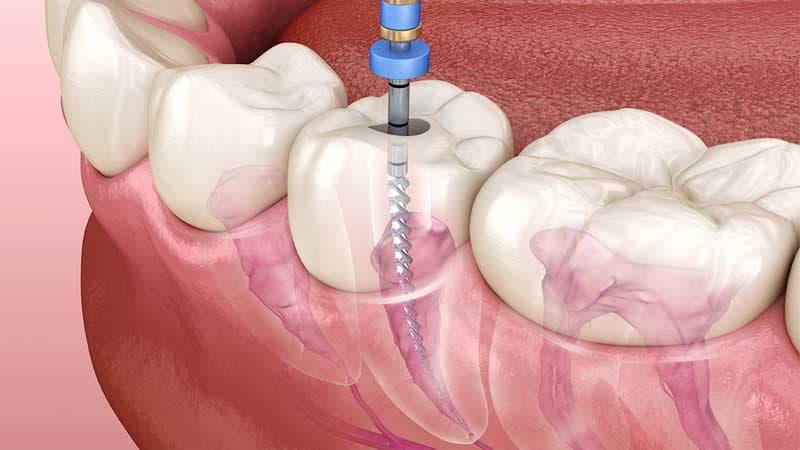
Root canal treatment removes infected or damaged pulp from inside a tooth, cleans and disinfects the canals, and seals them. The aim is to relieve the pain and keep the natural tooth rather than extract it. The tooth is usually protected with a crown afterwards.
Call the clinic
4.9 on Google· Performed only by doctors
Reviewed by The Aesthetic Edge medical team
Root canal treatment being carried out at The Aesthetic Edge, Bangalore

Is this you?

I have a throbbing toothache that wakes me at night.
Hot and cold drinks send a sharp pain through one tooth and it lingers.
There is a swelling near my gum and my tooth hurts when I bite on it.
I was told the tooth needs to come out and I want to know if it can be saved.
Treatment at a glance
Root Canal Treatment from ₹2,999 per tooth
Priced per tooth — how many teeth need treating is decided by the doctor, and confirmed at your consultation.
VisitsOne in straightforward cases, more where canals are complex
Session timeAbout 60 to 90 minutes for a single-visit case
AnaesthesiaLocal anaesthesia
AfterwardsA filling or crown to restore and protect the tooth
Performed byA dentist, always
Consultation₹500, waived off against treatment

What it does for you

Relieves the pain

Removing the inflamed or infected pulp addresses the source of the toothache, rather than masking it with painkillers.

Saves the natural tooth

A treated natural tooth sits in its own socket with its own ligament. No replacement matches that, which is why saving it is usually preferred to extraction.

Stops the infection spreading

Cleaning and sealing the canals prevents bacteria tracking further into the bone or to neighbouring teeth, and reduces the risk of an abscess.

Restores normal biting and chewing

Once the tooth is filled or crowned, it takes chewing load again and you can stop favouring one side of your mouth.

Preserves the jawbone

The jaw resorbs where a tooth root is missing. Keeping the natural root in place avoids that bone loss entirely.

Keeps the tooth looking natural

A properly matched crown or filling restores the shape and shade of the tooth, so a treated back or front tooth does not stand out.

How the treatment works

1

Diagnosis

Examination and X-ray to confirm the pulp is infected or inflamed and that a root canal is the right treatment.

2

Anaesthesia and access

The area is numbed and a small opening is made in the crown of the tooth to reach the pulp chamber.

3

Cleaning and sealing

The infected pulp is removed and the canals are cleaned, disinfected, filled and sealed against further infection.

4

Restoration

A filling or crown is placed to rebuild the tooth's strength and protect it from fracture under chewing load.

Side effects, honestly

Most patients experience none of these. Some patients, in rare cases, may notice the following — listed because you deserve the full picture before you decide.

Tenderness for a few days

The tooth and the surrounding gum often feel sore or tender to bite on for a few days afterwards. Over-the-counter pain relief is usually enough.

The tooth becomes more brittle

A root-treated tooth has lost its blood supply and can fracture under load. This is why a crown is recommended for back teeth rather than a filling alone.

Treatment can occasionally fail

A small proportion of root canals do not fully resolve — a missed canal, a persistent infection or a later fracture. Retreatment or, rarely, extraction may then be needed.

About this treatment

Body copy for the evergreen SEO page goes here.

Ask us about root canal treatment (rct)

Leave your number and we’ll call you back — or WhatsApp us directly. The ₹500 consultation is waived off against your treatment.

We’ll call or WhatsApp you on this number.

Questions patients ask

Is a root canal painful?
The procedure is carried out under local anaesthesia, so you should not feel pain during it. Most people find the toothache that brought them in was worse. Some tenderness for a few days afterwards is normal.
How long does a root canal take?
It depends on the tooth and how many canals it has. A straightforward single-visit case takes roughly 60 to 90 minutes. More complex cases are often split across two appointments.
Why do I need a root canal?
Because the pulp inside the tooth has become infected or inflamed, usually from deep decay, a crack, repeated dental work, or trauma. Left untreated the infection spreads and can cause severe pain and an abscess.
Do I really need a crown afterwards?
For back teeth, usually yes. A root-treated tooth is more brittle and takes heavy chewing forces. A crown protects it from splitting, which is often not repairable.
Can I just have the tooth taken out instead?
You can, but extraction leaves a gap that then needs an implant, bridge or denture, and the jawbone in that spot begins to resorb. Keeping the natural tooth is generally the better outcome where it is possible.
Is a root canal a permanent fix?
Done properly and restored well, a root-treated tooth can last many years. Its long-term survival still depends on good oral hygiene and regular check-ups, like any other tooth.
Can I eat normally afterwards?
Avoid chewing on that side until the permanent restoration is fitted and any numbness has fully worn off. After the crown is placed, the tooth is used normally.
Is RCT done in one sitting or several?
RCT is the common abbreviation for root canal treatment. Straightforward cases are often completed in a single sitting: the tooth root canals are cleaned, shaped and sealed in one appointment. A tooth with an active infection, or with several curved canals, may need a second visit so the infection settles before sealing. Your dentist says which after the X-ray.

Related at The Aesthetic Edge

Get a doctor's read before you decide anything

₹500 consultation, waived off against your treatment. Indiranagar or Bellandur — closed Wednesdays.

General information, not medical advice — your treatment is decided at an in-person consultation. Terms & Conditions