
Dentures in Bangalore
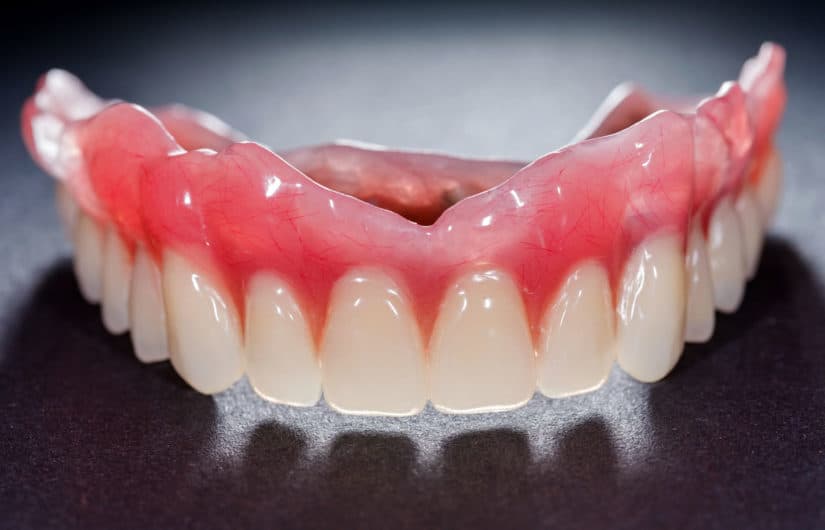
Dentures are removable replacements for missing teeth and the gum tissue around them. A full denture replaces a whole arch; a partial fills in around the teeth you still have. Each one is made to your own mouth, then adjusted over a few visits until it sits comfortably.
Is this you?
What it does for you
Chew a wider range of food again
Restoring chewing surfaces means you are not limited to soft food, which matters for nutrition as much as for enjoyment.
Clearer speech
Missing teeth, particularly at the front, change how certain sounds are formed. Replacing them helps restore normal speech.
Supports the face
Cheeks and lips lose their support when teeth are lost, which makes the face look sunken. A well-made denture restores that contour.
Made to match your own teeth
Tooth shade, shape and arrangement are chosen with you, so the result suits your face rather than looking uniform and artificial.
No surgery required
Unlike implants, dentures do not involve placing anything into the jawbone, which makes them an option where bone volume or general health rules surgery out.
Repairable and adjustable
Dentures can be relined, adjusted and repaired as your mouth changes, rather than having to be replaced outright each time.
How the treatment works
Evaluation and planning
Assessment of remaining teeth, gums and jawbone, and a decision on the type of denture and any preparatory treatment.
Impressions
Impressions and bite records are taken so the denture is built to the shape of your mouth.
Try-in and fitting
A trial denture lets you approve the appearance and bite, after which the finished denture is fitted and checked.
Adjustment and review
Sore spots are eased at follow-up appointments, and the fit is reviewed periodically as the mouth changes.
Side effects, honestly
Most patients experience none of these. Some patients, in rare cases, may notice the following — listed because you deserve the full picture before you decide.
Sore spots early on
Almost everyone gets a few pressure points in the first weeks. They are adjusted quickly at a follow-up — do not leave a rubbing denture in place, and do not file it yourself.
Speech and eating feel odd at first
Expect a few weeks of adjustment. Starting with soft food and reading aloud to practise both help, and most people adapt.
Increased saliva or a full feeling
A new denture is a foreign object and the mouth responds to it. This generally settles within days.
The fit changes over time
The jawbone slowly resorbs where teeth are missing, so a denture that fitted well will loosen over the years and need relining or remaking.
Hygiene still matters
Dentures left in overnight or cleaned poorly can cause fungal infection of the palate and irritate the gums beneath. Daily cleaning and overnight removal are part of the treatment.
About this treatment
Body copy for the evergreen SEO page goes here.
Questions patients ask
How long does it take to get used to dentures?
Can I eat normally with dentures?
Will dentures affect my speech?
How do I care for my dentures?
How long do dentures last?
What is the difference between a denture, a bridge and an implant?
Can dentures be made more stable?
Related at The Aesthetic Edge
Get a doctor's read before you decide anything
₹500 consultation, waived off against your treatment. Indiranagar or Bellandur — closed Wednesdays.
General information, not medical advice — your treatment is decided at an in-person consultation. Terms & Conditions