
Advanced Gum Treatment in Bangalore
Advanced gum treatment is for gum disease that has moved past what a routine cleaning addresses — where pockets have formed around the teeth and the supporting bone has begun to be lost. It combines deep cleaning below the gumline with laser therapy or minimally invasive surgery, depending on how far it has progressed.
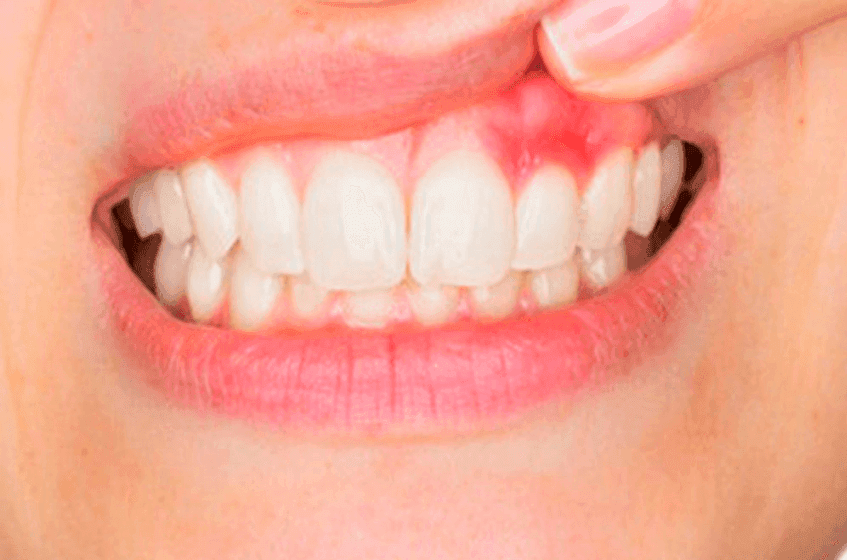
Is this you?
What it does for you
Cleans below the gumline
Deep scaling and root planing removes bacterial deposits from the root surfaces inside the pockets, which is where the disease actually lives and where routine cleaning cannot reach.
Reduces pocket depth
Shallower pockets are pockets you can keep clean at home. That is what makes the result hold rather than relapse within months.
Helps you keep your natural teeth
Gum disease is the leading cause of adult tooth loss. Treating it while there is still supporting bone is the difference between keeping a tooth and replacing it.
Minimally invasive where possible
Laser therapy and minimally invasive surgical techniques target the diseased tissue while sparing healthy tissue, which generally means less post-operative discomfort than traditional flap surgery.
Regenerative options for lost support
In selected cases, grafting and regenerative procedures can rebuild some of the bone and tissue lost around a tooth. Suitability depends on the pattern of the defect and is assessed case by case.
Addresses recession and the way gums look
Receding gums expose sensitive root surfaces and make teeth look long. Where appropriate, grafting can cover exposed roots, which is a functional gain as much as a cosmetic one.
How the treatment works
Periodontal assessment
Pocket depths, bleeding, mobility and bone levels charted so there is a baseline to measure the response against.
Deep cleaning
Scaling and root planing under local anaesthesia to clean the root surfaces within the pockets, usually quadrant by quadrant.
Reassessment
Pockets are re-measured after healing to see which sites responded and which need more than cleaning.
Targeted treatment and maintenance
Laser therapy, minimally invasive surgery or grafting at the sites that need it, followed by a lifelong maintenance interval.
Side effects, honestly
Most patients experience none of these. Some patients, in rare cases, may notice the following — listed because you deserve the full picture before you decide.
Sensitivity to cold
Cleaned root surfaces are commonly sensitive to cold for several weeks. A desensitising toothpaste helps, and it generally settles.
Gum recession as inflammation resolves
Swollen gums shrink back once treated, so teeth can look longer and gaps more visible afterwards. This is the disease becoming apparent, not the treatment causing it — but it is worth expecting.
Soreness and some bleeding
Tender gums and minor bleeding for a few days after deep cleaning or surgery are normal. Persistent or heavy bleeding should be reported.
Teeth may feel loose initially
Slight increased mobility can occur immediately after treatment and usually improves as the tissues firm up. Where bone loss is advanced, some mobility may remain.
Smoking and diabetes affect the outcome
Both substantially reduce how well gums respond and how well results hold. This is discussed honestly at assessment because it changes what is realistic.
Maintenance is not optional
Gum disease recurs if the maintenance interval is not kept. Treatment that is not followed up largely returns to baseline over a few years.
About this treatment
Body copy for the evergreen SEO page goes here.
Questions patients ask
How is this different from a normal scaling appointment?
Is advanced gum treatment suitable at any stage of gum disease?
How long does recovery take?
Can lost bone and gum be grown back?
Will my loose tooth become firm again?
What are the risks?
Will I need treatment again?
Related at The Aesthetic Edge
Get a doctor's read before you decide anything
₹500 consultation, waived off against your treatment. Indiranagar or Bellandur — closed Wednesdays.
General information, not medical advice — your treatment is decided at an in-person consultation. Terms & Conditions