
Kids Dentistry in Bangalore
Children's dentistry covers dental care from the first tooth through the teenage years. The clinical work is only half of it — the other half is making early visits calm and unremarkable, because a child who is not frightened of the dentist becomes an adult who keeps going.
Is this you?
What it does for you
Care sized for children
Children are not small adults. Baby teeth have thinner enamel and larger nerves, decay moves through them faster, and appointments have to fit a shorter attention span.
Problems caught while they are small
Early decay, crowding and bite problems are much simpler to deal with when found early. A routine check-up costs a child far less than an emergency one.
Prevention that actually works
Fluoride application and fissure sealants protect the grooves of the back teeth, where the large majority of childhood cavities start.
Habits set at the right age
Brushing technique, flossing and honest guidance about sugary snacks and drinks land better coming from the dentist than from a parent at bedtime.
A first experience that is not frightening
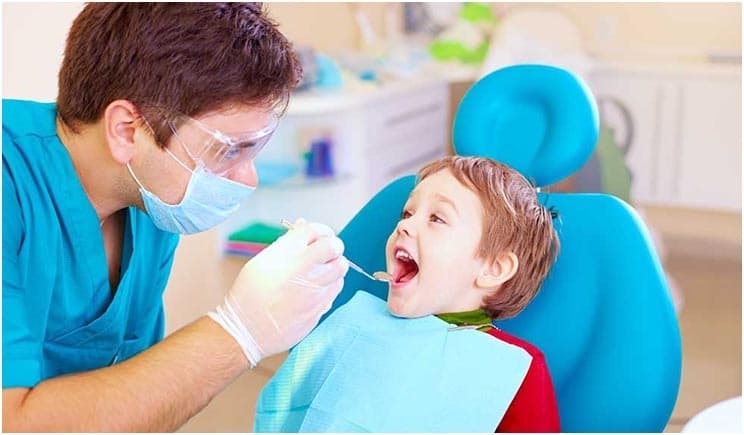
Appointments are paced so a nervous child can look at the instruments, ask questions and stop if they need to. Rushing a first visit costs years of cooperation afterwards.
Development is monitored over time
Regular visits track how the adult teeth are coming through and flag crowding or bite issues at the age when they are easiest to guide.
How the treatment works
Settling in
Time for the child to get comfortable in the chair and see the instruments before anything is done.
Examination
Teeth, gums, bite and the way the adult teeth are developing are checked, with X-rays only where there is a reason.
Preventive and restorative care
Cleaning, fluoride application, sealants, or fillings where treatment is needed, explained to the child step by step.
Home care and recall
Brushing and diet guidance for the parent, and a review interval matched to the child's risk of decay.
See the Treatment in Action
Gentle Care for Our Little Ones
What a kids' dental visit looks like
Side effects, honestly
Most patients experience none of these. Some patients, in rare cases, may notice the following — listed because you deserve the full picture before you decide.
Anxiety at early visits
Some apprehension is normal, particularly at a first visit or after a difficult experience. It is managed by pacing the appointment rather than pushing through it, and it improves with familiarity.
Sensitivity after treatment
A tooth can feel sensitive for a day or two after a filling. Numbness after local anaesthesia needs watching — children commonly bite or chew a numb lip or cheek without realising.
X-rays are used only when needed
Dental X-rays use a low dose and are taken with protective measures, but they are taken when there is a clinical reason rather than routinely.
Fluoride is dose-dependent
Professionally applied fluoride is safe at the doses used. At home, use an age-appropriate amount of toothpaste and supervise young children so it is not swallowed.
About this treatment
Body copy for the evergreen SEO page goes here.
Questions patients ask
When should my child first see a dentist?
Do baby teeth really need treating if they fall out anyway?
Are dental X-rays safe for children?
What happens at my child's first visit?
My child is frightened of the dentist. What can you do?
How do I help at home?
What are fissure sealants?
Related at The Aesthetic Edge
Get a doctor's read before you decide anything
₹500 consultation, waived off against your treatment. Indiranagar or Bellandur — closed Wednesdays.
General information, not medical advice — your treatment is decided at an in-person consultation. Terms & Conditions