
Mouth Ulcers in Bangalore
Mouth ulcers are painful open sores on the lining of the mouth, most often aphthous ulcers. Isolated ones usually heal on their own within one to two weeks. What needs a dentist is an ulcer that keeps returning, one caused by something physically rubbing, or one that has not healed after two weeks.
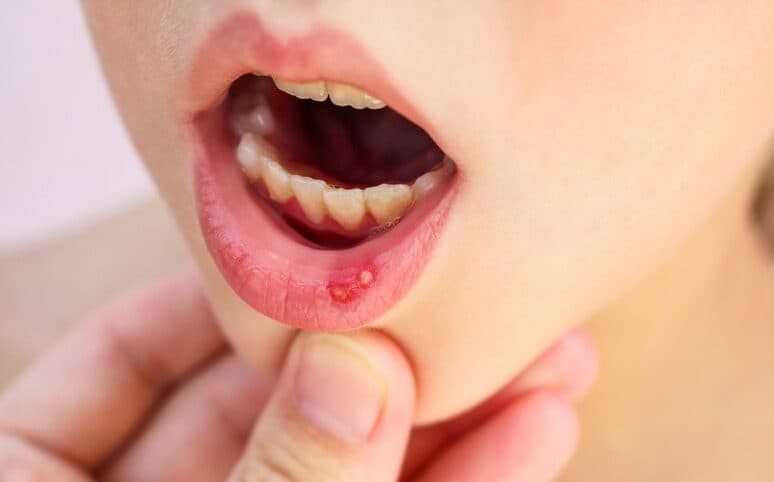
Is this you?
What it does for you
Relief while the ulcer heals
Topical gels, protective pastes and medicated rinses reduce the pain enough that you can eat, drink and speak normally during the days it takes to heal.
The physical cause gets fixed
Many ulcers are trauma from a sharp tooth edge, a broken filling, an orthodontic bracket or a rubbing denture. Smoothing or adjusting the culprit stops the ulcer returning to the same spot.
Recurrent ulcers get investigated
Frequent aphthous ulcers can point to nutritional deficiency such as iron, folate or vitamin B12, or to an underlying condition. An assessment looks for a pattern rather than treating each episode in isolation.
Triggers are identified
Stress, hormonal cycles, certain foods and some toothpaste ingredients are common triggers. Working out which apply to you is what reduces how often ulcers occur.
Secondary infection is prevented
An open sore in the mouth can become secondarily infected, particularly when pain makes people brush the area less. Appropriate care keeps the site clean while it closes.
Serious lesions are not missed
This is the important one. Any ulcer persisting beyond two weeks needs a professional look, because a small number of non-healing lesions are not ordinary ulcers and are far better identified early.
How the treatment works
Examination and history
The ulcer, the whole mouth and your medical and dietary history are reviewed to separate a one-off from a recurrent pattern.
Remove the physical cause
Sharp edges, broken fillings and rubbing appliances are smoothed or adjusted so the same site is not repeatedly injured.
Symptom relief
Topical gels, barrier pastes or medicated rinses to reduce pain and protect the area while it heals.
Review and prevention
Recurrent cases are investigated for deficiency or underlying causes, and any ulcer not healed at two weeks is reassessed.
Side effects, honestly
Most patients experience none of these. Some patients, in rare cases, may notice the following — listed because you deserve the full picture before you decide.
Topical treatments sting briefly
Gels and rinses applied to an open ulcer can sting for a few seconds on contact before the numbing effect begins.
Relief is temporary
Topical products manage pain while the ulcer heals; they do not shorten healing much. If nothing is addressing why ulcers keep occurring, they will keep occurring.
Do not self-treat a persistent ulcer
Continuing over-the-counter treatment on an ulcer that has not healed in two weeks delays a diagnosis that is better made early. Get it looked at.
Seek care sooner for certain signs
An unusually large ulcer, ulcers with fever, difficulty swallowing, ulcers spreading to the throat, or a lesion that bleeds easily or feels hard should be assessed promptly rather than at a routine appointment.
About this treatment
Body copy for the evergreen SEO page goes here.
Questions patients ask
What causes mouth ulcers?
How long should a mouth ulcer take to heal?
How can I relieve the pain?
Do home remedies like a saltwater rinse work?
Why do I keep getting them in the same place?
When should I see a dentist or doctor?
Are mouth ulcers contagious?
Related at The Aesthetic Edge
Get a doctor's read before you decide anything
₹500 consultation, waived off against your treatment. Indiranagar or Bellandur — closed Wednesdays.
General information, not medical advice — your treatment is decided at an in-person consultation. Terms & Conditions