
Dental Implants / Teeth Implants in Bangalore
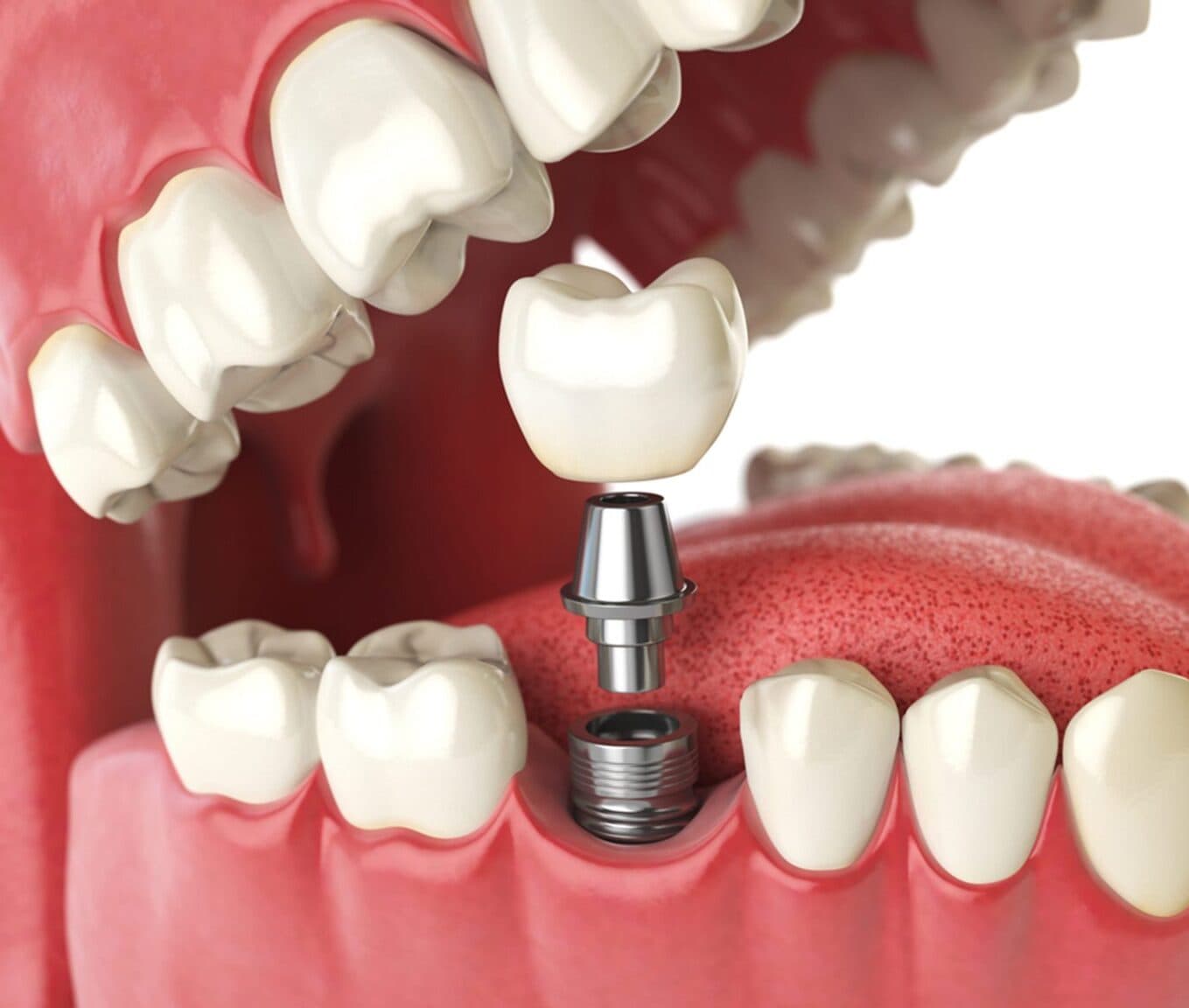
A dental implant is an artificial tooth root, usually titanium, placed into the jawbone to support a replacement tooth. It restores biting and chewing without altering the healthy teeth on either side, and it keeps the jawbone stimulated where a tooth has been lost.
Is this you?
What it does for you
Natural appearance and function
An implant-supported crown is shaped and shaded to sit with your own teeth, so biting and chewing feel close to what they did before the tooth was lost.
Clear speech
Unlike a removable appliance, an implant is fixed in the jaw. It does not slip or click while you speak.
Preserves the jawbone
The jaw loses bone where a tooth root is missing. An implant transmits chewing forces into the bone and helps slow that loss.
Leaves neighbouring teeth alone
A conventional bridge requires the two teeth beside the gap to be reshaped. An implant stands on its own, so healthy teeth stay untouched.
Built to last
With good hygiene and regular check-ups, implants are a long-term replacement rather than something replaced every few years.
No adhesives, nothing to remove
An implant is cleaned like a natural tooth. There is no nightly soaking and no fixative.
How the treatment works
Assessment and imaging
Examination plus X-rays or a CT scan to confirm there is enough bone and to map the safe position for the implant.
Treatment plan
A plan covering the number of implants, the type of restoration, whether any grafting is needed, and the expected timeline.
Implant placement
The implant is placed into the jawbone under local anaesthesia. Sutures may be used, and the site is left to heal.
Restoration and review
After osseointegration the abutment and final crown are fitted, the bite is adjusted, and the implant is reviewed at routine check-ups.
Side effects, honestly
Most patients experience none of these. Some patients, in rare cases, may notice the following — listed because you deserve the full picture before you decide.
Soreness and swelling
Some tenderness, swelling and minor bruising around the site for a few days is expected and is usually managed with prescribed medication.
Temporary diet restrictions
Soft foods and avoiding the surgical side for a short period while the site closes.
Reasons an implant may not suit you
Uncontrolled diabetes, active gum disease, heavy smoking or insufficient jawbone can all affect healing. Your dentist will discuss grafting or alternatives where this applies.
About this treatment
Body copy for the evergreen SEO page goes here.
Questions patients ask
Are dental implants painful?
How long does the whole process take?
Can implants replace more than one tooth?
How long do dental implants last?
What is the difference between an implant and a bridge?
Do I need a bone graft?
What is a dental implant made of, and what are the parts?
Related at The Aesthetic Edge
Get a doctor's read before you decide anything
₹500 consultation, waived off against your treatment. Indiranagar or Bellandur — closed Wednesdays.
General information, not medical advice — your treatment is decided at an in-person consultation. Terms & Conditions