
What Is Smile Makeover? A Plain-English Explanation
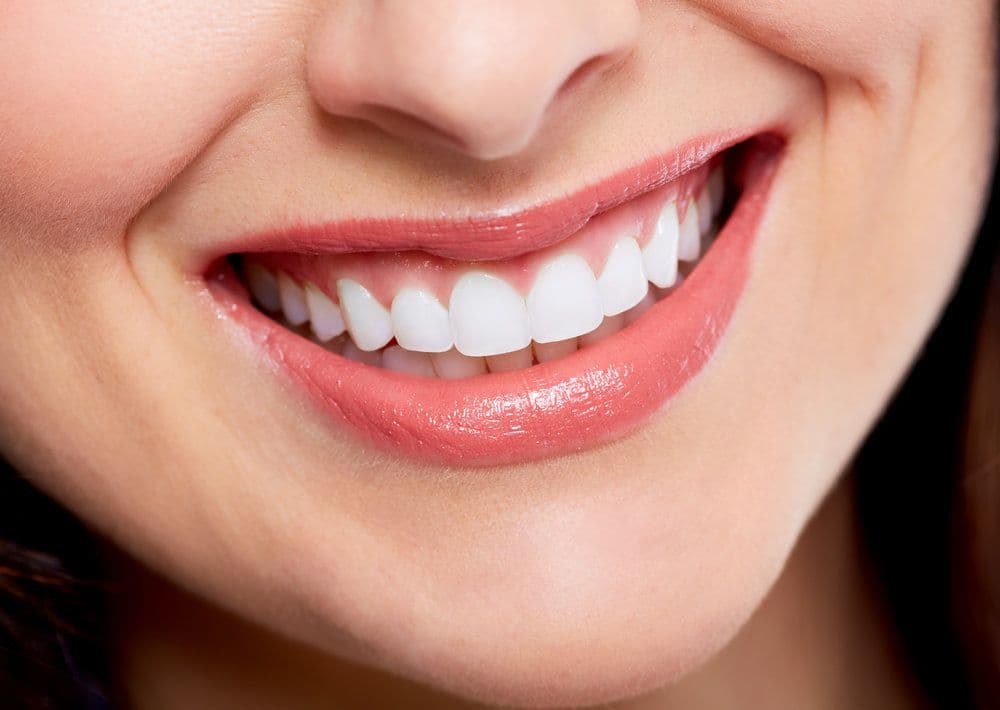
A smile makeover is not one procedure. It is a plan — a sequence of dental treatments chosen and ordered to address what specifically bothers you about your smile. Depending on the assessment it may involve whitening, veneers, crowns, bonding, gum contouring, alignment or implants. Which of those apply is decided after an examination, not before it.
That distinction matters more than it sounds. People arrive asking for a smile makeover the way they might ask for a haircut, expecting a defined thing with a defined price. What they are actually asking for is a design brief: here is what I do not like, tell me what it would take. The answer is different for almost everybody, and two people using the same phrase can end up with plans that share nothing in common.
What treatments does a smile makeover actually include?
There is no fixed list. The smile makeover approach draws on whichever of these the assessment points to:
- Whitening — for teeth that are sound in shape but darker than you want.
- Bonding — tooth-coloured material added to repair a chip or close a small gap.
- Veneers — thin facings over the front of the tooth, changing shape, length and shade together.
- Crowns — full coverage where a tooth is broken down and needs rebuilding as well as reshaping.
- Gum contouring — reshaping the gum line where teeth look short or the gum line is uneven.
- Alignment — moving the teeth themselves rather than disguising their position.
- Implants — replacing a missing tooth so the plan has something to work with in that space.
Most plans combine several. A common shape is alignment or whitening first, then restorative work on the few teeth that still need it — which is a very different proposition from veneering everything, and usually a better one.
How does a dentist decide what goes into the plan?
By working backwards from what you say is wrong, and then checking that against what your teeth, gums, bite and bone will actually support.
Two things are being weighed at once. The first is the appearance goal — tooth width, length, midline and gum line are assessed against your own features, so the result reads as your smile rather than a standard template. The second is whether the foundation is sound: there is no point building restorations onto teeth with untreated decay or unstable gums, so health comes first in the sequence regardless of what the appearance goal is.
Sequence is doing real work here. Shade is settled before restorations are made, because a crown cannot be whitened afterwards — it is made to a colour and stays that colour. Alignment comes before veneers, because moving a tooth into position is usually more conservative than building a facing out to disguise where it sits. That ordering is most of what separates a plan from a list.
Can I see the result before anything is done?
Yes, and you should. Photographs, study models or a digital mock-up are a normal part of planning, and a trial smile lets you and your dentist agree what the outcome should look like before anything irreversible happens.
This is the stage to be difficult. If the teeth look too long, too white, too square or simply not like you, the mock-up appointment is when to say so — it costs a conversation to change then and a great deal more to change later. It is worth bringing photographs of your own smile from a few years ago, and worth being specific about what you are reacting to. "Too white" and "too even" are different objections with different fixes.
Which parts can be undone, and which cannot?
This is the single most important thing to understand before agreeing to anything.
Some options are additive and reversible. Teeth whitening changes nothing structurally. Bonding adds material to the tooth rather than removing it.
Veneers and crowns are not in that category. Both require permanently reshaping the natural tooth to make space, and enamel does not grow back. Once a tooth has been prepared, it will always need a restoration on it — if a veneer chips in fifteen years, the answer is another veneer, not a return to how the tooth was.
There is a reasonable version of that trade. A tooth that is already broken down has little to preserve, and a crown that protects it is a straightforward call. The version worth pausing over is a healthy, well-shaped tooth being prepared purely to change its colour, when whitening might have achieved the same thing. A dentist should be explicit about which category each step in your plan falls into, and if that is not offered, ask.
How long does a smile makeover take?
Anywhere from a few weeks to several months. Whitening and bonding are quick. Anything involving alignment or implants extends the timeline considerably, because teeth move at their own pace and implants need time to integrate. Your dentist gives you a schedule along with the plan, and that schedule is a fair thing to ask about before you commit to the first appointment rather than after.
Expect several visits spread over that period, with temporaries worn while the final restorations are being made in the laboratory.
Does it hurt?
The procedures that need it are done under local anaesthesia, so the appointment itself should not be painful. Afterwards, teeth prepared for veneers or crowns are commonly sensitive to temperature while temporaries are worn, and for a period after the final fit. That is expected rather than a sign something has gone wrong.
There is also a genuine adjustment period. New tooth shapes and lengths can affect your speech and the way your teeth meet for a short while, and minor adjustments at review are a normal part of the process rather than a correction of a mistake.
How long will the result last?
Well-made restorations commonly last many years, but they are not permanent. Lifespan depends on hygiene, diet, whether you grind your teeth at night, and whether you keep up with review appointments. Veneers and crowns can chip, stain at the margin, or need replacing after some years.
Grinding deserves a specific mention: it shortens the life of restorations considerably, and it is worth raising at the planning stage rather than discovering afterwards. If you wake with a sore jaw or have been told you clench in your sleep, say so before the plan is designed around it.
Do I have to do everything at once?
No. A plan can be staged over time, and the order matters more than the pace. What is not negotiable is the sequence — doing restorative work before alignment, or fitting crowns before settling on a shade, creates problems that staging cannot fix. Raise phasing at the planning appointment so the schedule is built around it from the start.
What does it cost?
Because the plan differs so much between people, there is no single figure to publish, and quoting a range would mean quoting numbers for a plan nobody has designed yet. The costed plan comes out of the assessment, once it is clear what is actually involved and in what order.
The consultation itself is ₹500, waived off against treatment.
What should I raise before agreeing to a plan?
A short list, all of which are reasonable to ask in the room:
- Which steps are reversible and which permanently alter the tooth.
- Whether a more conservative option would reach the same goal — where whitening and bonding will do it, they are preferred to crowns and veneers.
- What the mock-up will show, and when you will see it.
- How the plan is sequenced, and what happens if you pause partway.
- What maintenance the finished result needs, and how often it is reviewed.
None of this is a decision that has to be made in one sitting. It is elective work on healthy teeth in most cases, which means the option of taking time over it is genuinely yours.
If you would like to know what is realistically possible for your own smile before committing to anything, that is exactly what the planning appointment is for. Book a consultation and bring the photographs you do not like of yourself — they are more useful than any description.