
Oxygen Facials — A Good Treatment With an Oversold Mechanism
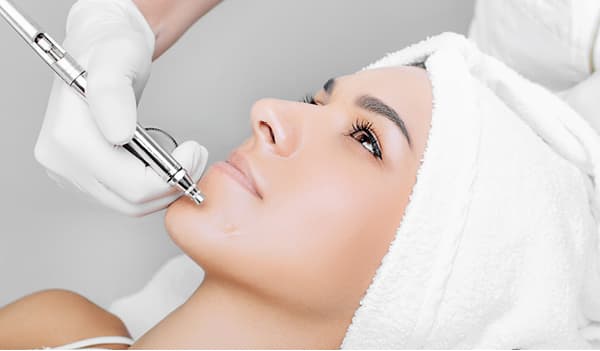
An oxygen facial produces one of the more reliably pleasing same-day results in aesthetics. Skin looks fresher, plumper and more even walking out than walking in, and people are genuinely happy. It is also surrounded by an explanation that does not survive much scrutiny. Both of those things can be true, and it is worth knowing which part you are paying for.
First, a clarification patients ask about often: this is a topical facial treatment applied to the skin. It is not inhaled or hyperbaric oxygen therapy, which is an entirely different medical treatment for entirely different conditions.
What happens in the room
The skin is cleansed and prepared. A device generates a concentrated oxygen stream, which is used to drive a serum blend — typically hyaluronic acid, vitamins, peptides and antioxidants — onto the skin under gentle pressure. The sensation is cool and pleasant. It takes well under an hour and there is no downtime at all.
What the oxygen is actually doing
This is where the honest version diverges from the brochure.
The pressurised stream does two things that are straightforwardly true: it delivers the serum evenly and thoroughly across the skin, and the pressure itself improves how much is taken up compared with applying the same product by hand. That is a real advantage and it is not trivial.
What is much less clear is the idea that oxygen is being delivered into the deeper skin and "feeding" the cells there. Your skin is oxygenated by your bloodstream, continuously, and the barrier that keeps things out does not make a particular exception for oxygen molecules pushed at it from above. Claims about oxygen reaching the dermis and driving cellular renewal go well beyond what a topical treatment does.
So the honest mechanism is: excellent delivery of good hydrating ingredients, plus a stimulated local circulation, plus thorough cleansing. That combination genuinely makes skin look better for several days. It just is not the story on the poster.
What it is worth
Judged as what it is, it is very good value for a specific job:
- Immediate radiance. Dehydrated skin is dull skin; rehydrate the surface properly and light bounces off it differently. This is the effect people book it for and it delivers.
- Plumping of fine surface lines. Hydration temporarily softens the finest lines. Temporarily is doing real work in that sentence.
- Comfort. No needles, no heat, no recovery, suitable for sensitive skin and for people who are nervous of clinical treatments.
- Event-readiness. Unlike almost everything else in a clinic, this is safe to have the day before something important. That alone is worth something.
Expect the effect to last days, not months. It is a maintenance treatment.
What it is not
It will not treat acne scarring, melasma or established pigmentation, lift lax skin, or reduce wrinkles beyond the temporary plumping described above. No topical facial does. Those need laser, needling or injectable approaches, and the difference in what they cost reflects a real difference in what they change.
How to spend a skincare budget sensibly
Most people's clinic spending falls into two tiers that get muddled together:
The maintenance tier — oxygen facials, hydrafacials, carbon peels. No downtime, immediate result, lasts days to a few weeks. Good for keeping skin looking well and for events.
The change tier — lasers, needling, peels, injectables. Some downtime, gradual result, changes something structural, lasts months to years.
The mistake worth avoiding is buying a lot of the first tier hoping it will do the work of the second. Twelve facials do not add up to a laser course; they add up to twelve good days. If what actually bothers you is scarring or pigmentation, that money is better spent on one thing that addresses it, with facials in between to keep skin comfortable.
Conversely, someone whose skin is fundamentally healthy and just looks tired does not need the change tier at all, and should not be talked into it.
Who it suits
Dull, dehydrated, tired-looking skin. Sensitive skin that reacts to more aggressive treatment. Anyone with an event this week. And people who want to start somewhere gentle before deciding whether to do anything more.
Very oily or congested skin may do better with a carbon peel or hydrafacial, which clear pores rather than hydrate the surface.
If you are unsure which tier your concern belongs in, book a consultation at Indiranagar or Bellandur and ask directly. A clinic worth attending will tell you when a facial is not the answer — and equally, when it is all you actually need.