
Lip Pigmentation: Every Cause, Every Treatment, and How Doctors Choose
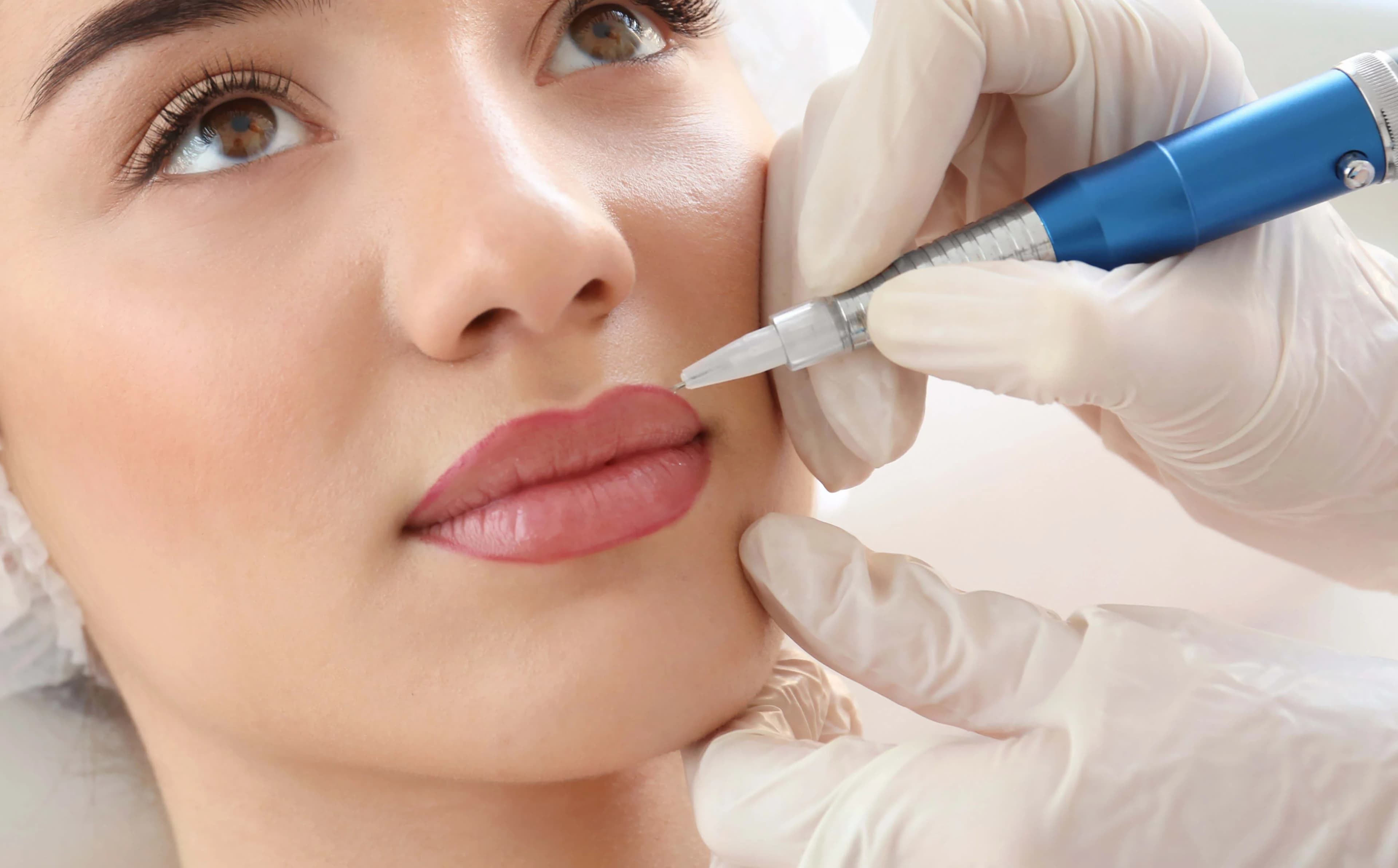
Of all the concerns that walk into our Bangalore clinics, lip pigmentation is the one patients have usually lived with longest before asking about — years, often, of lip balms, home remedies and "natural lightening" videos. Which is a quiet shame, because it is among the more treatable pigment problems we see. The catch is a single rule that separates results that last from results that fade by Diwali: treat the cause, not just the colour.
Why lips darken: the six causes that cover almost everyone
Sun. Lip skin is thin, has minimal melanin protection of its own, and — unlike the rest of your face — almost never gets sunscreen. Bangalore's two-wheeler and window-seat commuters collect years of incidental UV on their lips, and the result is gradual, even darkening or patchy spots along the border.
Smoking. Heat plus nicotine plus tar is a reliable darkening recipe, and the pattern is characteristic — deeper at the centre, often with a bluish cast. The pigment can be treated; if the smoking continues, so does the pigmenting.
Product reactions. An underrated cause. Certain toothpaste ingredients, long-wear lipsticks and even lip balms trigger a low-grade contact reaction that leaves pigment behind. The tell is pigmentation that tracks where the product sits, sometimes with dryness or mild itching. Nothing lightens it until the product changes.
Hormones. Pregnancy, oral contraceptives and the years around menopause can all shift lip pigment, the same way they can trigger melasma on cheeks.
Deficiency. Low iron or vitamin B12 shows on lips surprisingly often — usually as pallor with patchy darkening, sometimes with cracking at the corners. This is why our first appointment sometimes ends with a blood test rather than a procedure. Treating the lips while ignoring a deficiency is treating a symptom.
Genetics. Some lips are simply born deeper-toned, evenly and healthily. This is not a disorder — but for people who want warmer or pinker colour anyway, there is a legitimate route (more below).
The treatments, matched to the cause
Laser (Q-switch). For pigment that sits in defined patches or spots, a Q-switch laser course breaks down the excess melanin so the body clears it. The critical variable on Indian skin is parameter choice: the wrong settings can worsen pigment instead of clearing it, which is why this is a doctor's machine, not a menu item. Typically a course of sessions spaced weeks apart.
Chemical peels. For diffuse darkening and rough texture, lip-appropriate peels exfoliate the pigmented surface layers gently and progressively. Expect gradual change over a short course — anyone promising one-session lip lightening by peel is describing an injury.
Prescription topicals. Doctor-prescribed lightening and repair preparations do slow, steady work between sessions and afterwards. They are usually the supporting act rather than the whole show — but they are also what maintains the result once clinic sessions end.
Micropigmentation, for the right person. When the base colour is genetic — or when treatment has evened the tone but the patient wants a warmer, pinker finish — lip micropigmentation implants a chosen colour semi-permanently. This is correction by addition rather than removal, it is our single most-requested lip procedure, and its colour science for Indian skin tones is a speciality of its own.
The combination, which is what usually works. Most real plans stack: the trigger removed, a laser or peel course, a topical routine at home, SPF on the lips daily. Single-tool plans are why so many patients arrive having "tried everything" — everything, one at a time, without the cause addressed.
What the first appointment looks like
The doctor examines the pigmentation's pattern and depth, asks the questions that separate the causes (products used, smoking, health history), sometimes orders bloods, and photographs your lips under standard light. You leave with a named cause, a plan with a session count, and a cost quoted before anything begins. If we think the pigment will recur because of an unaddressed trigger, we say so at this appointment — not after the course.
Timelines and honest expectations
Change is gradual by design: lips are sensitive tissue and aggressive treatment trades speed for damage. Most patients see clear improvement over three to five sessions across two to three months, with topicals and SPF carrying the result forward. We photograph every visit so progress is measured, not remembered.
And because the question always comes: yes, treated pigmentation can return — if its trigger does. We wrote a full piece on exactly that: why lip pigmentation comes back, and how to stop it.
When to stop experimenting and get it assessed
Three signals: the darkening has lasted more than three months, it appeared suddenly, or it comes with cracking, burning or dryness. Sudden change in particular is your body reporting something — allergy, deficiency — that matters beyond cosmetics.
A consultation at Indiranagar or Bellandur takes fifteen minutes, names the cause, and prices the plan before you commit. The balm drawer has had its chance.