
What Is Volite? A Plain-English Explanation
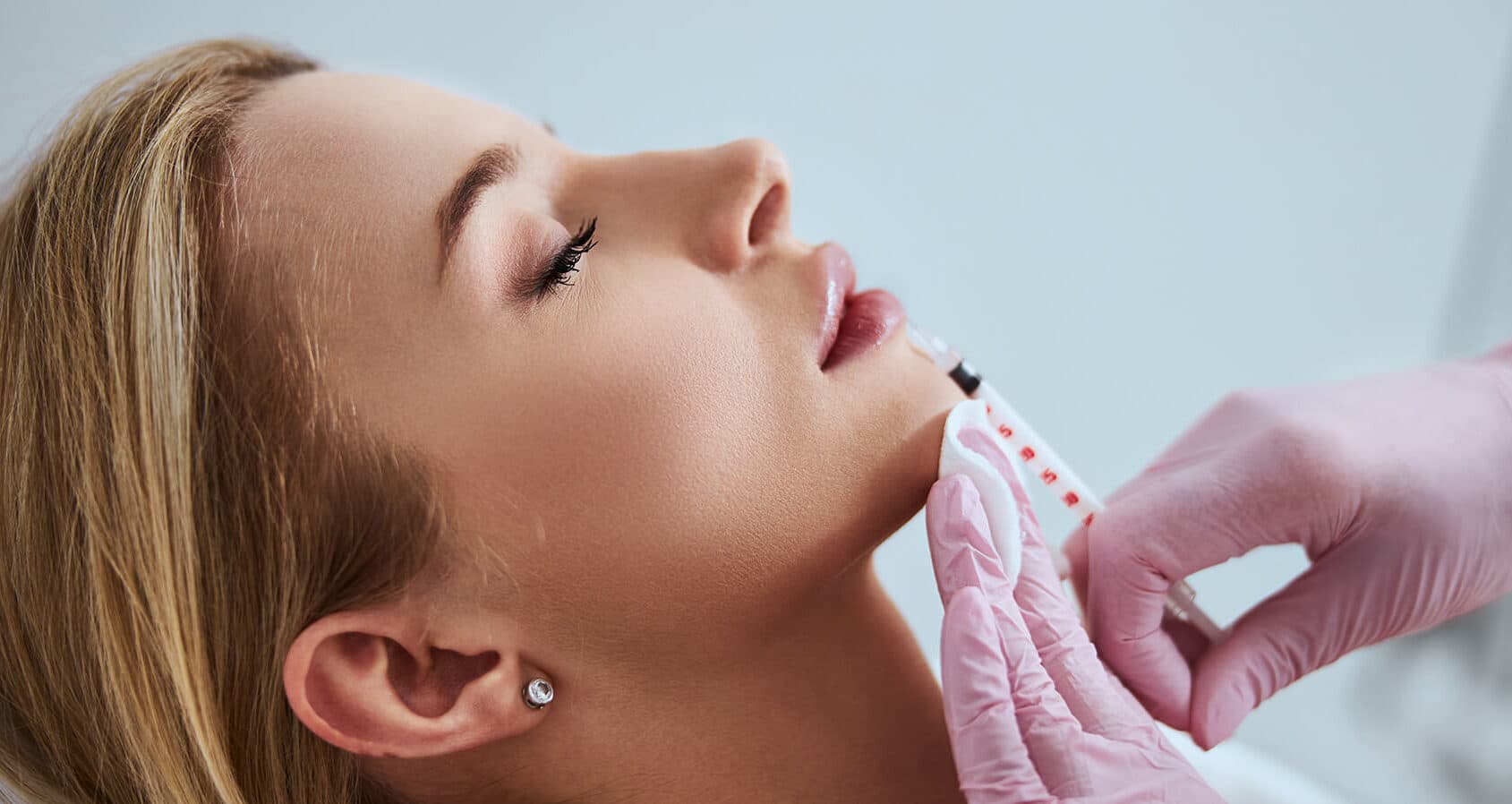
Volite is a hyaluronic acid skin-conditioning injectable, delivered as many small micro-injections spread across an area rather than placed at a few points. It is not a filler in the usual sense — it adds no contour and no volume. What it works on is hydration, smoothness and fine surface lines. The effect peaks about ten to fourteen days later and commonly lasts six to nine months.
The confusing part is the ingredient. Hyaluronic acid is what most dermal fillers are made of too, so the name sits in a category most people already have a mental picture of — and that picture is wrong here. The sections below take it apart.
Why is it not a filler if it uses the same material?
Because placement is the treatment, not the substance.
A filler is deposited at specific points, in a specific plane, to add volume or build contour — a cheek, a fold, a chin. The material stays roughly where it was put, and that is the entire point of it.
Volite goes in as a grid of small injections spread evenly across a whole area. Nothing is concentrated anywhere, so nothing is built up anywhere. The hyaluronic acid sits within the skin holding water, which is a different job altogether: it improves the quality of the skin rather than the shape of the face. The clinic's own way of putting it is that a filler changes shape, a wrinkle relaxer changes movement, and this changes the quality of the skin itself.
What does it actually change?
Four things, in the clinic's own list.
- Hydration that lasts. Hyaluronic acid placed within the skin holds water where a topical moisturiser cannot reach — which is why the effect is measured in months rather than hours.
- Fine surface lines. Better-hydrated skin creases less. The fine lines around the eyes are the most commonly treated area for exactly that reason.
- Texture and the way light falls on skin. Patients typically describe looking brighter and smoother rather than fuller. Surface quality, not shape.
- Areas beyond the face. The neck, décolletage and the backs of the hands all show dehydration early, and all respond to the same approach.
Is this the only skin-quality injectable, or one of several?
One of several, and it is worth saying so plainly rather than letting the brand name imply a category of its own.
The clinic also offers Profhilo, another injectable hyaluronic acid that spreads through the skin rather than staying where it is placed, and prompts collagen and elastin production alongside hydration. And Skin Botox — heavily diluted botulinum toxin in the most superficial layer of skin — targets texture, pore size and oiliness instead.
Three different mechanisms aimed at broadly the same complaint. Which one fits is a consultation question, not a page-reading one, and the honest answer is that the doctor decides after looking at your skin.
Will it hurt?
Anaesthetic cream is applied to the treatment areas and left on for thirty to forty-five minutes before anything begins. Most patients describe the micro-injections as tolerable rather than painful.
That numbing time is worth planning around — it is the longest part of the appointment and you will be sitting with cream on your face for most of it.
What happens on the day?
Four stages.
First a skin consultation, where the doctor establishes whether your concern is hydration and texture — which this addresses — or volume loss, which it does not. That distinction decides everything that follows.
Then numbing, for thirty to forty-five minutes.
Then the treatment itself: the area is marked, and treated as a grid of small injections so the hyaluronic acid ends up distributed evenly across the whole area rather than concentrated at a point.
Then written aftercare. The result is reviewed once it has peaked, at around ten to fourteen days, and routine repeat treatments are planned every six to nine months from there.
Is there any downtime?
Little, but not none, and the difference matters if you have plans.
Redness, small bumps and mild swelling at the injection points are expected and typically settle within twenty-four to forty-eight hours. Bruising and tenderness are possible — particularly around the eyes — and generally resolve over a few days to a couple of weeks. Strenuous activity is avoided for seventy-two hours.
So: fine for an ordinary working day the next morning, and a poor choice for the day before a wedding.
When should I expect to see something?
Not immediately, which catches people out.
The effect typically peaks around ten to fourteen days after treatment, with improvement continuing over the first month. Results commonly last in the region of six to nine months, and most patients have a single treatment and then repeat it roughly every six to nine months to maintain it. Your doctor confirms the interval based on how your skin actually responds.
Who should not have it?
It is not advised during pregnancy or breastfeeding, with an active infection at or near the treatment site, or where there is a known hypersensitivity to hyaluronic acid.
That last one is why the consultation asks about previous injectable treatments and any reaction you have had to them. Say so even if it seemed minor at the time.
What does it cost?
The clinic does not publish a starting price for this treatment, and this page will not invent one.
What moves the figure is straightforward enough to explain: how many areas you have treated, how large they are, and therefore how much product the grid takes to cover them. Eyes alone and eyes-plus-neck-plus-hands are not the same treatment, and quoting a number without knowing which one you want would be meaningless.
The consultation costs ₹500 and is waived against treatment if you go ahead. That is where the plan and the total are confirmed together, after the doctor has actually looked at your skin.
Where to go next
The full treatment page has the detail in one place, including the clinic's own aftercare and review schedule.
If what you have read here describes your skin — tight and dehydrated whatever you put on it, fine lines showing up in photographs, wanting better skin rather than a different face — the useful next step is an examination rather than a booking decision. Book an appointment and let the doctor tell you whether this is the right one of the three.