
What Is Kids Dentistry? A Plain-English Explanation
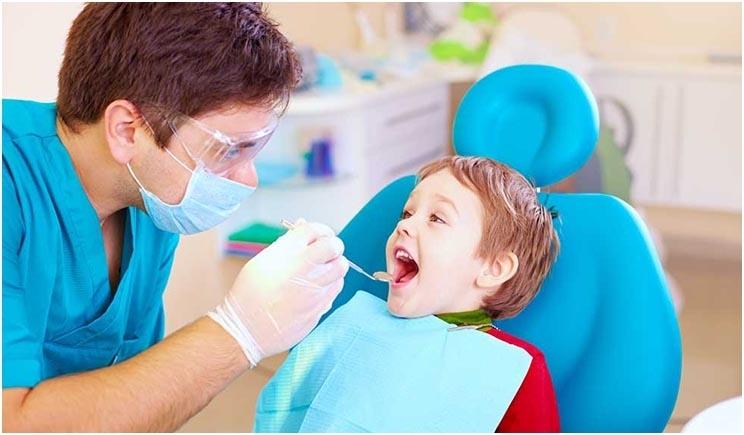
Kids dentistry is dental care for children from the first tooth through the teenage years — examinations, cleaning, fluoride application, fissure sealants and fillings, delivered at a pace a child can cope with. The clinical work is only half of it. The other half is making early visits calm and unremarkable, because a child who is not frightened of the dentist becomes an adult who keeps going. It is a dentist, always, and parents are welcome to stay with the child throughout.
Why can't a child just see a regular dentist?
Because children are not small adults, and the difference is anatomical rather than a matter of manner. Baby teeth have thinner enamel and larger nerves than adult teeth, which means decay moves through them faster and reaches the nerve sooner. A cavity that would be a slow problem in an adult tooth is a quicker one in a child's.
The other half of the difference is practical. Appointments have to fit a shorter attention span, which changes how a visit is structured rather than what is clinically correct. Rushing a first visit costs years of cooperation afterwards, so the pacing is part of the treatment, not a courtesy around it.
When should a child first see a dentist?
Around the first birthday, or whenever the first tooth appears — whichever comes sooner. That surprises most parents, who assume there is nothing to look at yet.
The first visit is largely about familiarising the child with the setting and giving parents guidance, not treatment. A gentle examination of the mouth, teeth and gums, time for your child to get comfortable, brushing guidance, and answers to your questions. It is deliberately low-key, and it is paced so a nervous child can look at the instruments, ask questions and stop if they need to.
After that, check-ups are usually every six months, adjusted to your child's own risk. Some children need to be seen more often than others, and that is a clinical judgement rather than a sales one.
Do baby teeth really need treating if they fall out anyway?
Yes — and this is the single most common misconception we hear. Baby teeth hold space for the adult teeth coming behind them. Decay in them causes real pain and infection, can damage the developing tooth underneath, and losing one early can crowd the adult teeth.
So the choice is not "treat it or wait for it to fall out". It is "treat it, or accept pain now and a possible crowding problem later". Put that way, most parents find the decision straightforward.
What does kids dentistry actually include?
Five things, and the first three are the ones that do most of the work.
Examinations. Early decay, crowding and bite problems are far simpler to deal with when found early. This is the whole argument for routine visits: a check-up costs a child far less than an emergency one, in discomfort as much as anything else.
Cleaning. Straightforward, and the appointment where brushing technique gets corrected in practice rather than in theory.
Fluoride application and fissure sealants. These protect the grooves of the back teeth, which is where the large majority of childhood cavities start. The back teeth have deep, narrow grooves that a toothbrush bristle cannot reliably get into, and sealing them closes off the place decay usually begins. If you only remember one preventive measure from this article, make it this one.
Fillings. When decay has already started, a filling stops it progressing — and in a baby tooth, with its thinner enamel and larger nerve, stopping it promptly matters more than it would in an adult tooth.
What about habits, and the sugar conversation?
This is a genuine part of the appointment rather than a lecture tacked onto the end. Brushing technique, flossing and honest guidance about sugary snacks and drinks land better coming from the dentist than from a parent at bedtime — the same information, from someone whose job it is, carries differently.
Parents often find this is the most useful ten minutes of the visit. You are not being told what you already know; you are getting a neutral third party to say it to a child who has stopped listening to you about it.
Are dental X-rays safe for children?
Dental X-rays use a low dose and are taken with appropriate protection. They are used where there is a clinical reason — such as checking between contacting back teeth, where decay can sit out of sight — rather than as routine at every visit.
That distinction is the thing to ask about. "Is there a reason for this X-ray?" is a fair question, and the answer should be specific.
What happens as a child gets older?
Regular visits track how the adult teeth are coming through, and flag crowding or bite issues at the age when they are easiest to guide. That is the part parents tend not to anticipate: a lot of the value of continuing six-monthly visits through the later childhood years is developmental monitoring rather than treatment.
It also means the dentist seeing your eight-year-old has the history of the four-year-old, which is worth more than any single appointment. Continuity is part of why starting early matters.
Does anything about Bangalore change this?
Two things, both about access rather than clinical care.
Snacking patterns are the first. Long school days and long commutes mean a lot of children in this city eat on the move — juice boxes, biscuits and packaged snacks between meals rather than at them. Frequency matters more than quantity for decay, so the honest guidance is often about when rather than how much, and that is a conversation worth having specifically rather than generally.
The second is simply getting there. A six-monthly appointment only happens if it is convenient, and with a child in tow convenience decides everything. We see children at both the Bellandur and Indiranagar clinics; pick whichever sits on a route you already drive, because the families who keep up the schedule are the ones for whom the trip is easy.
Where to start
With a first appointment that asks almost nothing of your child. If your child has a tooth, they are old enough to be seen, and the visit is designed to be unremarkable rather than memorable.
If there is a specific worry — a mark on a tooth, a complaint of pain, a child already frightened of dentists — say so when you book, so the appointment is planned around it. For anything else, a routine check-up is the right starting point: alongside preventive dentistry for the whole family and dental fillings when decay has already begun, it is the least eventful dentistry there is, which is rather the point.
You can book an appointment at either clinic, and plan to stay in the room with your child.