
What Changes the Cost of Thread Lift in India
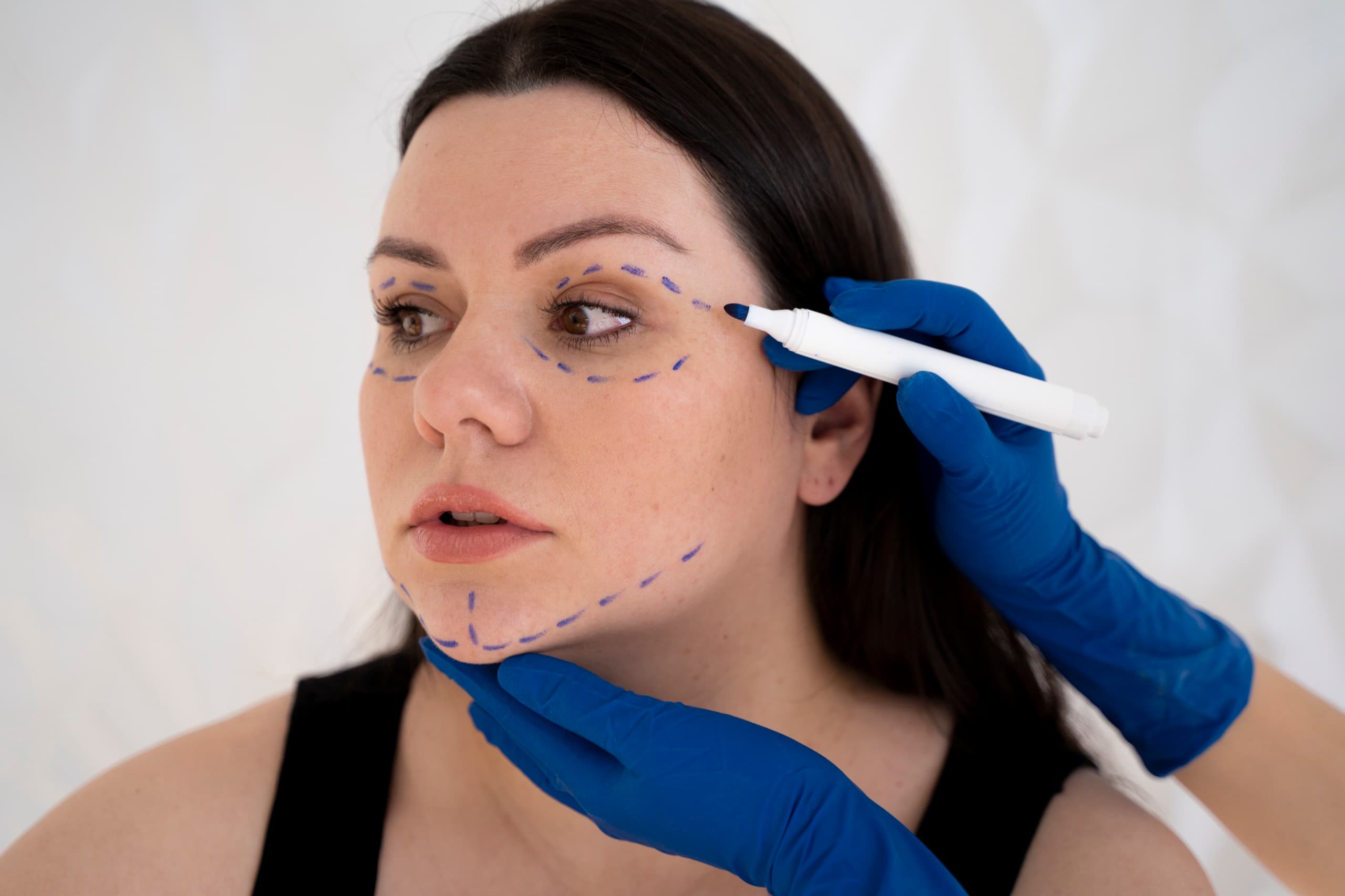
A thread lift is priced per thread rather than as one flat fee, so the number of threads your plan needs is the figure that moves the total most. That count follows from which area is being treated and how much lift is planned. At The Aesthetic Edge, threads start from ₹399 per thread, and you are given the exact number and the total at consultation, before anything is done.
Why per thread, and not one price for a face?
Because a thread lift is not one procedure repeated identically on everybody. It is a plan: where each thread enters, the direction it travels and how many are used are anatomical decisions made for your face.
A single-area lift uses far fewer threads than a full-face plan. Pricing per thread is what lets those two quotes differ honestly instead of being averaged into a package that overcharges one patient to subsidise the other. It also means the number you are quoted should be arithmetic you can follow — a rate, a count, and a total — rather than a figure handed down.
What decides how many threads I need?
Two things, and they compound.
Which area is being treated. Threads placed along the jawline to lift softened tissue back toward the angle of the jaw are a different job from threads carrying a descended cheek pad back up the mid-face, and both differ again from a nose thread lift along the bridge, or a brow-tail lift. Each area has its own vectors and its own sensible count.
How much lift is planned. The degree of lift a thread can achieve is modest by design, and for mild to moderate laxity that restraint is the point — the result should read as rested rather than altered. Asking for more lift is not simply a matter of adding threads until it looks like surgery. A thread lift is not a facelift, and a doctor who tells you that before you book has saved you money rather than lost a sale.
Does the type of thread change what I pay?
It can, because thread types are genuinely different products doing different jobs.
Mono threads are smooth, with no barbs. They firm the skin and stimulate collagen but do not reposition tissue, so they address skin quality rather than lift. Cog threads — barbed threads — carry small anchors along their length that grip tissue and hold it in a new position, and they are what produces an actual lift. Screw threads are intertwined and add support in hollow areas. A single plan often combines more than one type, which is why two people quoted for "the jawline" can receive different plans.
Materials differ too. PDO — polydioxanone, an absorbable material used in surgical stitches for decades — is the type most commonly used, dissolving over roughly six months. Longer-lasting absorbable materials, PLLA and PCL, are also used in thread lifting, and branded systems such as MINT and Silhouette InstaLift are particular implementations of these. Different systems are different products and they are not all priced the same.
The point worth holding on to is that the type mix should be chosen by anatomy, not by budget. Which threads your plan needs is decided at consultation on the basis of how much laxity you have, which area is treated and what you want the result to do.
Does it matter who plans and places them?
More here than in almost any other non-surgical treatment, and it is the part of the price least visible on a menu.
Where a thread enters, the vector it follows and how many are used are anatomical decisions — and they are what separates a good thread lift from a visible one. A plan that pulls tissue along the wrong vector does not fail neutrally; it shows.
The nose makes the argument in its starkest form. Threads on the nasal bridge sit close to the vessels that supply the overlying skin, and a compromised blood supply can damage tissue. That is rare, and it is precisely why a nose thread lift is a doctor's procedure. Anyone comparing quotes for that area is comparing anatomical knowledge, not just materials.
Is this a one-off cost?
No, and any honest quote should say so.
A thread lift generally lasts several months to around a year, depending on the thread type, the area treated, your skin and your age. The threads themselves are absorbable and dissolve over time — nothing needs to be removed. The collagen provoked along their path as they break down can outlast the threads, so firmness often keeps improving for some weeks after the lift, and some of the benefit persists past the thread's own life.
Budget for a treatment you may want to repeat rather than one you buy once.
Why do two clinics quote so differently?
Less of the gap is city and locality than people assume; most of it is what the number covers. Ask whether the quote includes the consultation and whether it is refundable against treatment, whether the review once the swelling has settled is included, and — the crucial one — whether the count you have been quoted is a count somebody arrived at by examining your face or a round number lifted from a menu.
Two similar-looking figures can describe quite different plans.
What is included in our price, and what is not?
Threads at The Aesthetic Edge start from ₹399 per thread. The consultation is ₹500, waived off against treatment.
The appointment itself is in-clinic and typically under an hour, under local anaesthetic — no general anaesthetic and no hospital stay. The lift is visible at the end of the appointment, and you are reviewed once the swelling has settled so the final position can be assessed properly.
The cost nobody quotes is the week afterwards. Mild swelling or bruising is usual for a few days and generally resolves within about a week, and you should avoid facial massage and face-down sleeping for the first week. If you are planning around a wedding or an event, that week is part of the price.
Is the cheapest quote the cheapest outcome?
Only if it is the right treatment. The expensive failure in thread lifting is not overpaying per thread — it is buying a thread lift for laxity beyond the range threads can treat, where the result disappoints regardless of how many threads were used or what they cost. The suitability check exists to give you a straight answer rather than a booking.
Where the problem is not lax tissue at all, threads are the wrong tool. Volume loss is better treated with filler, and skin quality with a resurfacing or biostimulator treatment. HIFU is another non-surgical route often raised in the same conversation. A combined plan is common, and your doctor sequences it — which of these applies to your face is a finding from an examination, not something to price up in advance.
What should I watch for afterwards?
Some tightness or a pulling sensation in the first days is normal as tissue settles, and it eases as swelling reduces. Small puckering or dimpling along a thread's path can appear early on; it usually settles, but tell your doctor if it persists rather than waiting.
Contact the clinic if you develop increasing pain, redness or discharge at an entry point rather than managing it at home. And after treatment involving the nose in particular, severe pain, blanching or a dusky colour change should be reported to the clinic straight away rather than left to see whether it settles.
Getting a number that matches a plan
A per-thread rate only becomes a price once somebody has looked at your face and decided the count. Book an appointment at Indiranagar or Bellandur — ₹500, waived off against treatment — and ask for the thread type, the count and the total in writing before you agree to anything.