
What Changes the Cost of Advanced Gum Treatment in India
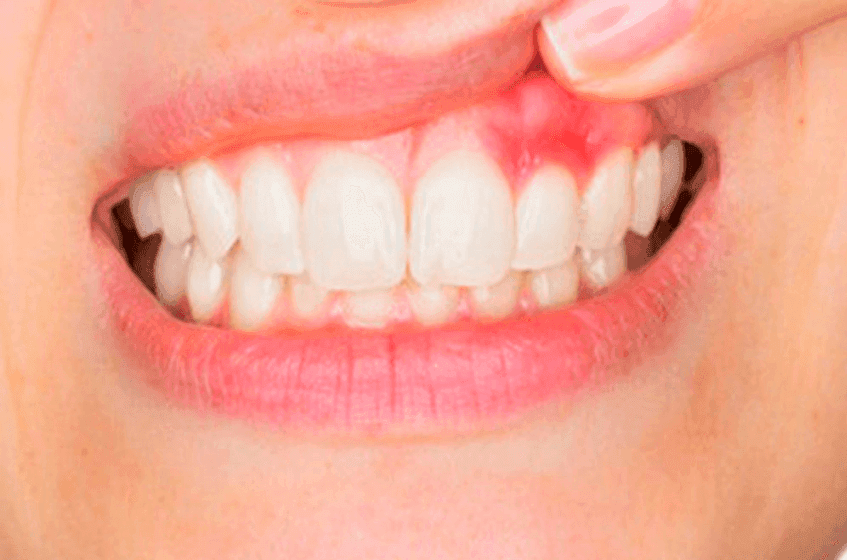
How far the disease has already gone is what sets the price. Advanced gum treatment is charged around the extent of what is found — how many teeth have pockets around them, how deep those pockets measure, and how much supporting bone has been lost. That determines the number of visits and which procedures are needed, and everything else in the quote follows from it.
Which is why no honest figure exists before somebody has measured your mouth. Advanced gum treatment is not one procedure with one price; it is a staged response to a condition that varies enormously between two people who both describe their gums as "bleeding a bit". Here is what genuinely moves the number.
Why can't I be quoted a price over the phone?
Because the first step is a measurement, not a treatment. Full periodontal charting records pocket depths around every tooth, along with bleeding, mobility and bone levels, so there is a baseline to measure the response against.
Until that chart exists, nobody knows whether you have four sites needing attention or forty, whether the pockets are shallow enough to respond to cleaning alone, or whether some of them will need surgical access. A quote given before charting is a guess, and it will change.
That chart is also what makes the treatment measurable later. Pockets are re-measured after healing to see which sites responded and which need more than cleaning — which is the point at which the second half of the cost becomes knowable.
How does the extent of disease change the number of visits?
Directly, and this is the largest single factor in what you pay.
Deep cleaning — scaling and root planing under local anaesthesia to clean the root surfaces within the pockets — is usually carried out quadrant by quadrant rather than in one sitting. A mouth with disease confined to the back teeth on one side is a different amount of chair time from a mouth with pockets throughout. Add the reassessment appointment after healing, and then any targeted treatment at the sites that did not respond, and the visit count compounds with the extent of disease rather than tracking it in a straight line.
Anaesthesia is part of this too. Advanced treatment is done under local anaesthesia because the cleaning goes below the gumline into the pockets themselves. That is a real clinical difference from a routine appointment, and it is reflected in what the visit costs.
Which procedures add to it?
The staged approach means the cost is built up rather than fixed at the start.
Deep scaling and root planing is the foundation, and for some patients it is the whole treatment. Where sites do not respond, the plan escalates: laser therapy or minimally invasive surgery targets the diseased tissue while sparing healthy tissue, which generally means less post-operative discomfort than traditional flap surgery. In selected cases, grafting and regenerative procedures can rebuild some of the bone and tissue lost around a tooth — suitability depends on the pattern of the defect and is assessed case by case, so this is not something to budget for in advance either way.
Where gums have receded, grafting can cover exposed root surfaces. That is a functional gain as much as a cosmetic one, since exposed roots are sensitive, but it is an additional procedure and it is priced as one.
Isn't this just an expensive cleaning?
No, and the distinction is worth understanding before you compare quotes. Routine scaling and polishing cleans the tooth surfaces at and just below the gumline. Advanced treatment goes deeper into pockets that have already formed, is done under local anaesthesia, and may involve laser or surgical access. It is for disease that has already affected the supporting bone.
So a quote for advanced gum treatment and a quote for a routine cleaning are not two prices for the same thing, and a clinic quoting the second when you need the first is not offering better value. Ask which one you are being quoted for, and ask what the charting showed.
Does who performs it change the price?
At The Aesthetic Edge, every stage is carried out by a dentist. The assessment that decides the whole plan — pocket depths, bleeding, mobility, bone levels — is a clinical judgement, not a checklist, and it determines whether you are quoted for cleaning or for surgery. That is where the value of the examination actually sits.
City makes a difference to any dental procedure in India, because overheads differ between metros and smaller centres. It is real and it is small next to the extent of your own disease. Two quotes from different cities for genuinely different amounts of treatment are not telling you anything about either city.
What is not in the quote?
Maintenance, and it is the part most people leave out of their budgeting.
After treatment, the cleaning interval becomes more frequent — typically every three to four months rather than annually. That is not an upsell. Gum disease is controlled rather than permanently resolved, and treatment that is not followed up largely returns to baseline over a few years. A quote that covers the active treatment and says nothing about the maintenance interval is describing half the commitment.
When you compare clinics, ask three things: how many visits the figure covers, whether the reassessment appointment is included, and what the ongoing maintenance interval costs. Those turn two numbers into a real comparison.
Do smoking and diabetes change what I pay?
They change what is realistic, which affects the plan and therefore the cost. Both substantially reduce how well gums respond to treatment and how well the results hold. This is discussed honestly at assessment rather than glossed over, because it changes what can be expected from any given procedure — and there is no point paying for regenerative work in conditions where it is unlikely to hold.
Tell your dentist about both, and about any medication you take. It is information that shapes the treatment plan, not a judgement.
What does it cost at The Aesthetic Edge?
We do not publish a starting figure for advanced gum treatment, and that is deliberate rather than evasive: a number quoted before charting would be a number for somebody else's mouth. Your figure is given after a dentist has examined you and charted the pockets, when it can actually be tied to the visits and procedures your case needs.
The consultation is ₹500, waived against treatment. If you go ahead, that is ₹500 you are not paying twice.
What does waiting cost?
More than the treatment, usually. Gum disease is the leading cause of adult tooth loss, and treating it while there is still supporting bone is the difference between keeping a tooth and replacing it. Pockets get deeper, and deeper pockets mean more visits and more invasive procedures — the cost driver at the top of this article works against you the longer it is left.
Two things worth knowing before you start, so they do not come as a surprise: cleaned root surfaces are commonly sensitive to cold for several weeks, and gums that were swollen shrink back once treated, so teeth can look longer and gaps more visible afterwards. That second one is the disease becoming apparent rather than the treatment causing it. Tender gums and minor bleeding for a few days after deep cleaning or surgery are normal; contact the clinic rather than waiting if bleeding is persistent or heavy.
Book an appointment and a dentist will chart your gums, tell you what stage you are actually at, and give you a figure for your own mouth.