
Gum Contouring: The Trend, and the Question to Settle First
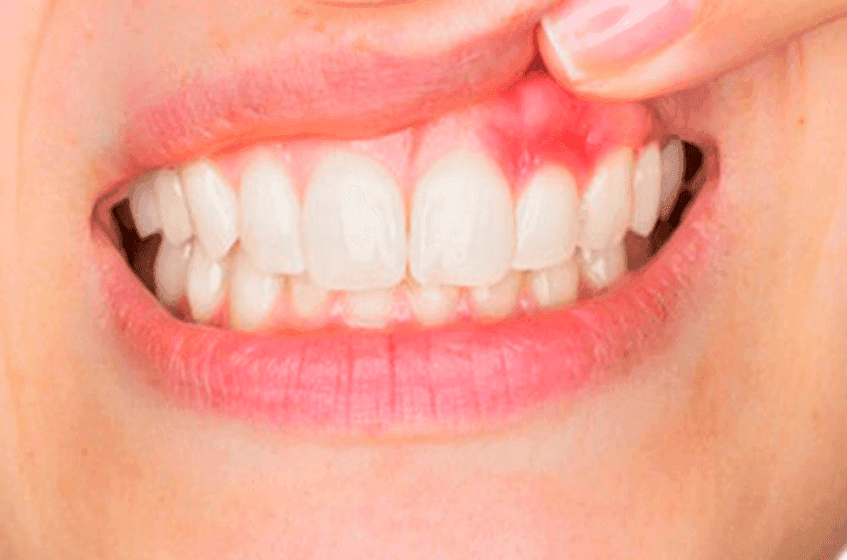
Gum contouring reshapes the gum line, usually where it sits unevenly or shows more than someone would like when they smile. It is a genuine procedure and one this clinic carries out, with a dental laser. The question worth settling before any of that, though, is whether the gum line you have noticed is a cosmetic variable at all — or whether it has changed because of something happening underneath.
That distinction is the whole of this article, because the two have opposite answers. One is reshaping healthy tissue to a line you prefer. The other is advanced gum treatment for disease that has moved past what a routine cleaning addresses, where pockets have formed around the teeth and the supporting bone has begun to be lost.
Is gum contouring something this clinic actually does?
Yes. Laser dentistry here is used for gum disease therapy, gum contouring, soft-tissue procedures and some cavity work, and an uneven gum line that shows too much when you smile is one of the complaints it is listed for.
A few practical facts from that page rather than from the trend: minor soft-tissue work sometimes does not require anaesthesia, though it is often still used; downtime is usually minimal and most people resume normal activity the same day; protective eyewear is worn by everyone in the room; and it is performed by a dentist, always.
What those pages do not set out is any claim about how a reshaped gum line looks years later, or how it compares with what you have seen online. So this article will not make one either.
How do I know whether my gum line is cosmetic or clinical?
By what else is happening, and then by measurement. There are four signs that move this out of cosmetic territory, and they are the ones the gum treatment page itself lists:
- Gums that bleed constantly and have started to pull away from your teeth.
- A tooth that feels slightly loose when you have not injured it.
- Having been told you have deep pockets around your back teeth.
- Teeth that look longer than they used to, with sensitive roots.
That last one is the trap, and it is why this post exists. A tooth looking longer is a gum-line change — exactly the thing the trend offers to fix — but the reason it looks longer may be that the gum has receded rather than that it was always shaped that way. Reshaping is not the answer to recession, and nobody can tell the two apart from a photograph.
What does the assessment actually measure?
Pocket depths, around every tooth. The first step in advanced gum treatment is full periodontal charting, and that is the test that separates a cosmetic question from a clinical one. It is not a judgement call made by eye.
That is also the honest answer to anyone hoping to settle this by reading. A chart of pocket depths tells you whether there is disease and how far it has gone; a mirror tells you only what you already know, which is that something about the line bothers you.
Should disease be treated before anything is reshaped?
The treatment pages do not set out a combined protocol, so the order is a clinical decision made at the consultation rather than something to read here. What they do document is the shape of the commitment, and it is worth knowing before you weigh the two against each other.
Advanced gum treatment is several visits, often split by quadrant, with local anaesthesia for the deep cleaning and any surgical steps. Afterwards the cleaning schedule tightens: typically every three to four months rather than the six that suits most people. That is a longer-term arrangement than a cosmetic appointment, and it is the sort of thing worth asking about plainly — if contouring is on your mind and charting finds disease, ask what the sequence is and what the maintenance looks like, rather than assuming either can be slotted in around the other.
What about the dark-gums treatments advertised here?
Gum depigmentation — lightening naturally darker gum tissue — is marketed heavily in India, and it is reasonable to arrive asking about it after seeing it online. It is a different procedure from contouring, which reshapes the line rather than changing the colour.
The honest position: the treatment pages here set out gum disease therapy, gum contouring and soft-tissue procedures, and they do not describe gum depigmentation. That is not the same as saying it is unavailable — it means it is not something these pages commit to, so it is a question for the clinic rather than an assumption to make from a brochure. Ask directly, and treat any clinic that is vague about whether it performs a procedure as having answered you.
Worth separating from that: naturally darker gum tissue is common and is not a disease sign. Gums that bleed, swell or pull away are a different matter entirely, and those are the ones that need looking at regardless of colour.
Does the trend hold up?
As a procedure, it is real and it is offered. As a reason to book, it depends entirely on which of the two situations above you are in — and the sequence of questions is what the trend tends to skip.
The version of this that goes wrong is the one where someone spends on reshaping a line that was changing for a reason, finds the reason untreated, and has the same conversation six months later from a worse starting point. The version that goes well is the one where charting came first, found nothing, and the cosmetic question turned out to be exactly what it looked like.
What is worth doing first, in practice?
A cleaning appointment and an honest look. Scaling and polishing is where a great deal of gum disease in this city is first noticed, simply because it is the appointment people actually attend — and bleeding during a clean is information, not a mishap.
Three things to ask when you go in, if the gum line is what brought you:
- What are my pocket depths? Not "are my gums fine" — the numbers.
- Has my gum line receded, or has it always sat where it sits? Previous records, if any exist, are useful here.
- If charting is clear, what would contouring involve for my gums specifically — and would anaesthesia be needed?
If you have been looking at your gum line in photographs and wondering whether something can be done about it, something probably can. Book an appointment at Bellandur or Indiranagar and ask for the charting before the cosmetic conversation. The consultation fee is waived against treatment if you go ahead, so finding out which question you are actually asking costs nothing if you proceed.