
After Volite: What's Normal and What Means Call the Clinic
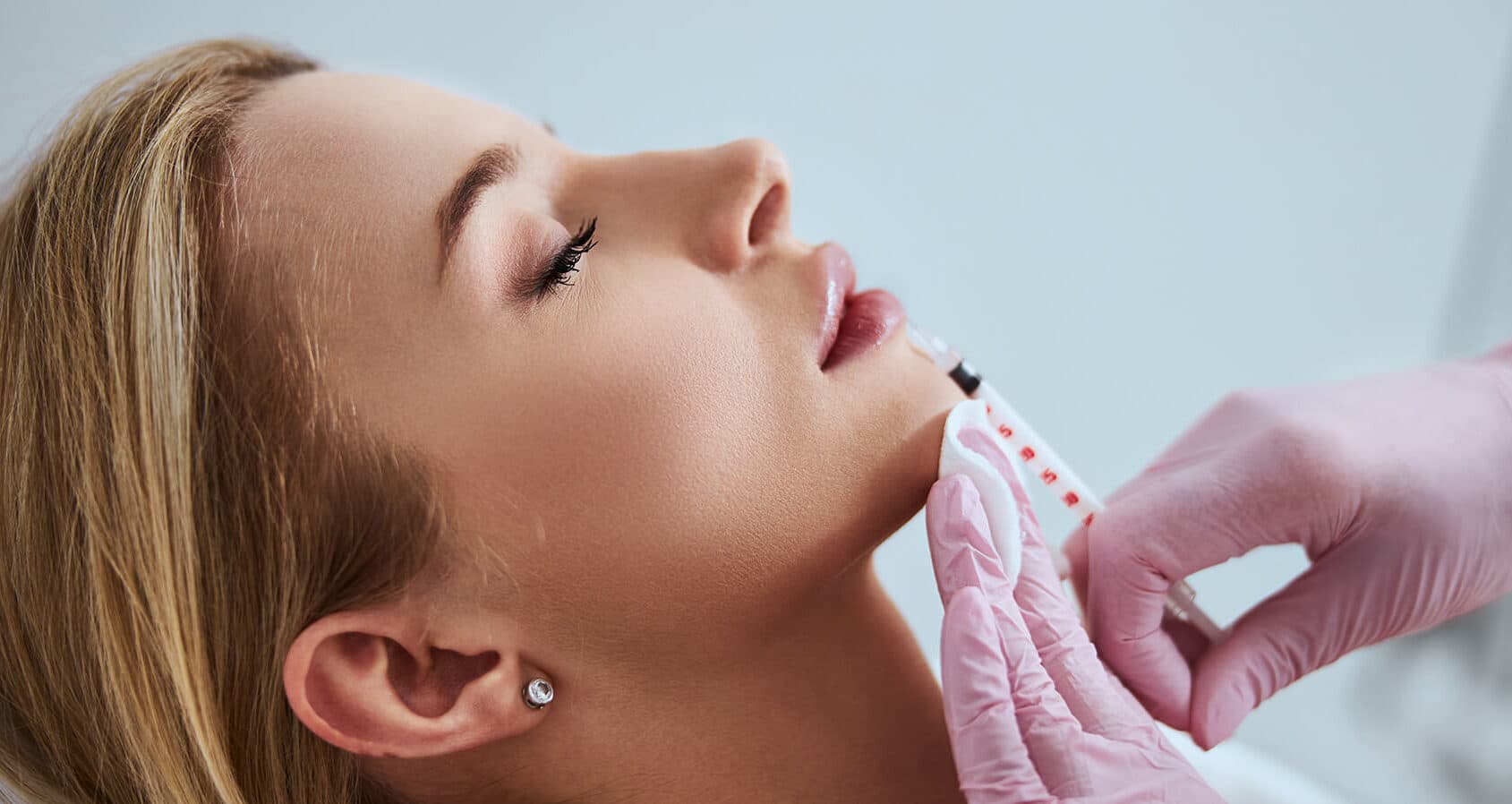
After Volite, redness, small bumps and mild swelling at the injection points are expected and typically settle within 24 to 48 hours. Bruising and tenderness are possible, particularly around the eyes, and generally clear over a few days to a couple of weeks. Anything that worsens rather than settles, or that you were not told to expect, is a reason to telephone the clinic.
That is the summary. The reason this page exists in more detail is that "is this normal?" is a question people tend to ask the internet at eleven at night, and the internet cannot see your face. What follows gives you a threshold for picking up the phone — not a way of diagnosing yourself.
What is genuinely expected in the first 48 hours?
Three things, all of them documented as expected rather than as complications: redness, small bumps and swelling at the injection points.
Volite is delivered as a grid of small injections across an area, so there are many small entry points rather than a few. Each one can look slightly raised and slightly pink. Together they can make the treated area look mildly blotchy on the day, which is the single most common reason people worry.
The documented timeframe is that this typically settles within 24 to 48 hours. Slight redness, small bumps and mild swelling are normal on the day and the day after, and most patients are back to normal quickly. Strenuous activity is avoided for 72 hours.
What about bruising — how long is too long?
Bruising and tenderness are possible, and are noted as particularly possible around the eyes. That area is thin-skinned and is also the area most commonly treated, so the two coincide more often than people expect.
The documented range for bruising and tenderness to resolve is a few days to a couple of weeks. That is a wide window on purpose, because bruises vary. If you are still bruised at two weeks, or if a bruise is getting larger rather than fading and changing colour, that is a reason to telephone rather than to keep waiting it out.
The practical planning point is the one nobody thinks of beforehand: if you have a wedding, a shoot or a presentation in the diary, a couple of weeks is the window to plan around, not a couple of days.
Why does nothing seem to have changed yet?
Because it is not supposed to have. This is the second most common worry, and it is not a recovery problem at all.
The effect typically peaks at around 10 to 14 days after treatment, with improvement continuing over the first month. If you are three days in and looking for a difference, you are looking too early. That timeline cannot be shortened, and a result appearing sooner is not something to expect or to chase.
What should make me telephone the clinic rather than wait?
Telephone the clinic, during opening hours, if any of the following applies. You do not need to work out what it means first — that is the clinic's job, and it is precisely why the list is written as signs rather than as explanations.
- Redness, bumps or swelling that have not settled by 48 hours, when you were told to expect them to.
- Swelling or pain that is increasing after the first day or two rather than easing.
- Bruising still present at around two weeks, or a bruise that is spreading rather than fading.
- Redness that is spreading outward from an injection point, or an area that feels warm to the touch.
- Any discharge, weeping or crusting at an injection point.
- Pain that is out of proportion to what you were told to expect, or that is not eased by what you were advised to take.
- Feeling generally unwell, or a temperature, in the days after treatment.
- A lump that is firm, growing, or still present well after the small bumps you were told about should have flattened.
- Anything at all that you were not told to expect and that is worrying you.
That last one is deliberate and is not padding. If you are worried enough to be reading this at midnight, you have already met the threshold for a phone call in the morning.
What should not wait for the clinic to open?
Some things should not wait for opening hours at all. If any of the following happens, seek urgent medical care immediately — your nearest emergency department — and telephone the clinic afterwards to tell us.
- Skin at or near a treated area that changes colour, looks unusually pale, blotchy, mottled or dusky.
- Any change in your vision.
- Difficulty breathing, or swelling of the lips, tongue or throat.
- Severe pain that comes on suddenly.
These are rare, and listing them is not a prediction that any of them will happen to you. They are here because an escalation path you read in advance is worth more than one you go looking for in the moment. Note that Volite is not advised where there is known hypersensitivity to hyaluronic acid, which is one of the things established before you are treated rather than after.
Should I try to work out what it is myself?
No — and this is the part of the page that matters most.
Nothing above tells you what any sign means, and that is a deliberate choice rather than an omission. Two people can have an identical-looking mark for entirely different reasons, and the difference is established by someone looking at it, not by matching a description on a screen. Photographs of other people's recoveries are especially unreliable, because you have no idea what was done, where, or to whom.
Do not press, squeeze, massage or apply anything to a treated area to test what happens. Do not start any medication because something you read suggested it. Telephone, describe what you can see, and let the clinic decide whether you need to be seen.
You will not be treated as a nuisance for calling about something that turns out to be ordinary. A call that ends in reassurance is a good outcome, and it is a much better one than a wait that turns out to have been the wrong choice.
What can I do to help it settle?
Follow the written aftercare you were given at the appointment, in preference to anything on this page. It is specific to what was treated and where.
The documented points are these: avoid alcohol for 12 hours; do not wash the treated area, apply moisturiser or wear makeup on it for 24 hours; avoid massaging it for 24 to 48 hours; no facials or steam for around 15 days; no gym for 72 hours; and drink plenty of water. Most patients are back to their normal routine quickly.
Beyond that, resist the urge to intervene. Injection points settle on their own, and handling them is the thing most likely to interfere with that. The 15-day rule on facials and steam is the one people forget, because it outlasts the point at which everything looks normal again.
Does any of this differ if I had Profhilo or Skin Botox instead?
Yes, in the detail, so do not read across from one to another.
Profhilo produces small raised bumps at the injection points that are part of how the treatment works — the product needs a short time to diffuse — and they usually flatten within a day, with swelling, redness or tenderness common in the first days. Its written aftercare is close to Volite's, so the timings are similar rather than interchangeable; use the sheet you were handed for the treatment you actually had.
Skin Botox is a different product entirely, placed superficially, with mild redness that usually settles quickly as the usual extent of its downtime.
If you have had more than one treatment, the aftercare for each still applies, and the clinic is the right place to sort out what that means in practice.
When is my review, and what happens there?
The result is reviewed at around the 10 to 14 day mark, which is when it peaks. That appointment is the natural place to raise anything that has settled but that you would still like looked at, and to plan the repeat interval — routine treatments are commonly around every six to nine months, with your doctor confirming the interval based on how your skin responds.
It is not, however, the place to hold a concern that belongs to today. Anything on the lists above is a phone call now, not a note for the review.
Where to go next
If you have not been treated yet and you are reading this to know what you are signing up for, that is a sensible order to do things in. The Volite page sets out the treatment itself, and the consultation is ₹500, waived off against treatment if you proceed.
If you have been treated and something is worrying you, close this page and telephone the clinic. And if you would simply like to be seen, book an appointment — describing it in the room is always better than describing it to a search engine.