
Volite on Indian Skin: What Changes and Why It Matters
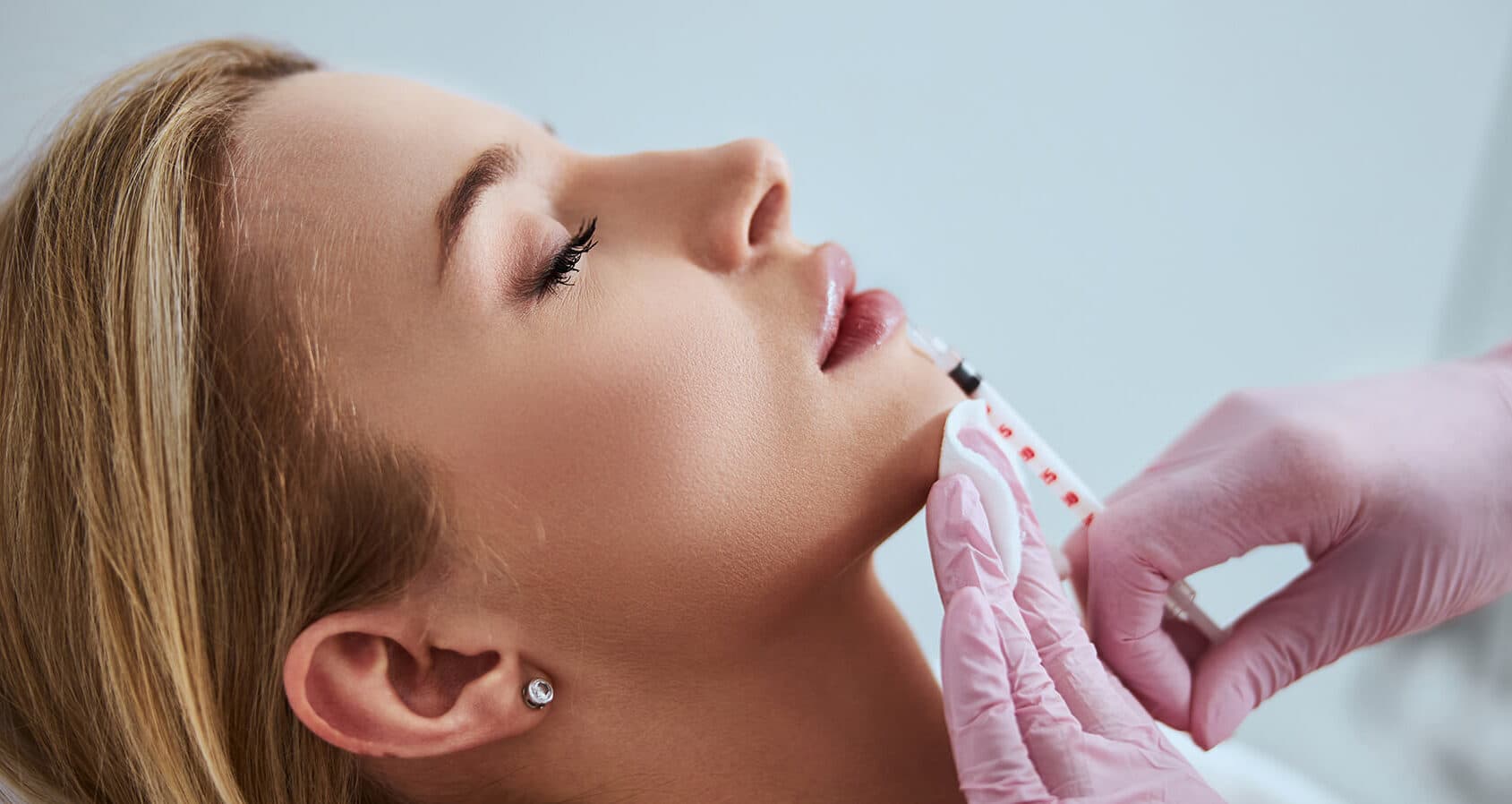
Skin tone does not change what this treatment is. Volite is hyaluronic acid placed as micro-injections across an area to improve hydration, smoothness and fine surface lines, and that mechanism works the same way in every complexion. What genuinely differs on deeper skin is how the concern presents, how the tiny injection points settle afterwards, and which parts of your history the doctor needs to hear before starting.
Worth stating up front, because a great deal of published advice quietly assumes otherwise: this is an injectable, not a device. There is no energy setting, no wavelength and no depth dial to adjust for a skin type. Any article telling you the "settings" change for Indian skin is describing a laser and has wandered onto the wrong page.
So does deeper skin change the treatment at all?
Not the treatment. The conversation around it.
Three things shift, and none of them are about the product:
- What you notice first. On deeper complexions, dehydration and poor light reflection tend to read as dullness, greyness or an uneven finish long before they read as fine lines. So a patient may arrive describing tiredness rather than creasing, and be describing exactly what this treatment addresses. The clinic's own note is that patients typically report looking brighter and smoother rather than fuller — which is the same observation from the other side.
- How the injection points behave while settling. Redness, small bumps and mild swelling are expected at those points and usually settle within twenty-four to forty-eight hours; bruising and tenderness are possible, particularly around the eyes, and generally clear over a few days to a couple of weeks. Those are the clinic's documented effects and they apply to everyone.
- What is worth mentioning in your history. More on that below, because it is the practical part.
Should I be worried about dark marks afterwards?
This is the question the page exists for, so here is where the honest line falls.
The clinic's documented side-effect list for this treatment does not include post-inflammatory pigmentation, and it does not describe a different protocol for deeper skin tones. No page should invent one on the clinic's behalf. What the treatment does involve is many small punctures of the skin surface, and if your own experience is that spots, insect bites or minor scratches tend to leave a mark that lingers for weeks, that is a real piece of information about how your skin responds to being broken — and it belongs in the consultation rather than in a search.
The doctor is the one who weighs it. They may decide the treatment is entirely appropriate, they may want to prepare the skin first, or they may suggest starting with a smaller area to see how you settle. What no article can do is make that call for a face it has not examined, and this one will not pretend otherwise.
Bring the history unprompted. Nobody will think you are being difficult; you are handing over the thing that actually shapes the plan.
Does oily skin rule me out?
No, and this comes up often enough to be worth separating properly.
Oiliness and dehydration are different things, and oily skin can be dehydrated at the same time — a combination extremely common in a humid city. The clinic states plainly that the treatment is not restricted by skin type and suits dry, oily and combination skin alike.
If oiliness and pore size are your main complaint rather than tightness and dullness, that is a different treatment: Skin Botox places heavily diluted botulinum toxin into the most superficial layer of the skin and targets exactly those. The two are not competing for the same problem.
What about the neck and hands?
Both are worth raising, and both are commonly under-treated.
The neck, décolletage and the backs of the hands show dehydration and fine crepiness early, and all three are commonly treated with the same approach. They also spend more time uncovered than most people account for, and they are often the areas a patient notices in photographs after having spent a year thinking only about their face.
If your concern is firmness and overall skin quality more than surface hydration, Profhilo is the clinic's other injectable in this space — it spreads through the skin and prompts collagen and elastin production. Which of the two suits you is a consultation decision, not a reading decision.
How should I plan the timing?
Around the peak, not the appointment.
The effect typically peaks at around ten to fourteen days and keeps improving over the first month, so anything you are timing this for — a wedding, a family event, a shoot — should sit at least two weeks after the session, not two days. Results commonly last six to nine months, with routine repeat treatments planned at roughly that interval.
Practical detail people forget: anaesthetic cream sits on the area for thirty to forty-five minutes beforehand, so the appointment is longer than the treatment. And strenuous activity is avoided for seventy-two hours afterwards — worth knowing before you book the morning of a match.
What should make me contact the clinic afterwards?
Most of the first two days is expected and unremarkable: some redness, small bumps, mild swelling, possibly a bruise. It settles.
Get in touch with the clinic, rather than searching or waiting it out, if:
- redness, swelling or bumps have not settled after two or three days, or are getting worse instead of better;
- a treated area becomes hot, increasingly painful, or starts to discharge — which can suggest infection;
- you develop a rash, itching or swelling away from the treated areas;
- a mark or discolouration appears at the injection points and is not fading;
- anything simply worries you and you would rather ask than wonder.
Do not try to work out what any of it means on your own, and do not treat it yourself. Describe what you are seeing to the clinic and let the doctor who treated you decide whether you need to be seen. That is a two-minute phone call against a fortnight of worrying.
The one thing this page cannot do
It cannot tell you whether this is right for your skin.
The consultation exists to establish whether your concern is hydration and texture — which this addresses — or volume loss, which it does not. That is the clinic's own first step, before any product is discussed, and it is a judgement made by looking at your skin rather than by matching you to a description.
The treatment page has the full protocol, aftercare and FAQ. When you are ready to have your own skin assessed rather than a general case, book an appointment — ₹500, waived against treatment — and bring the pigmentation history with you.