
Volite Aftercare: The First Week, Day by Day
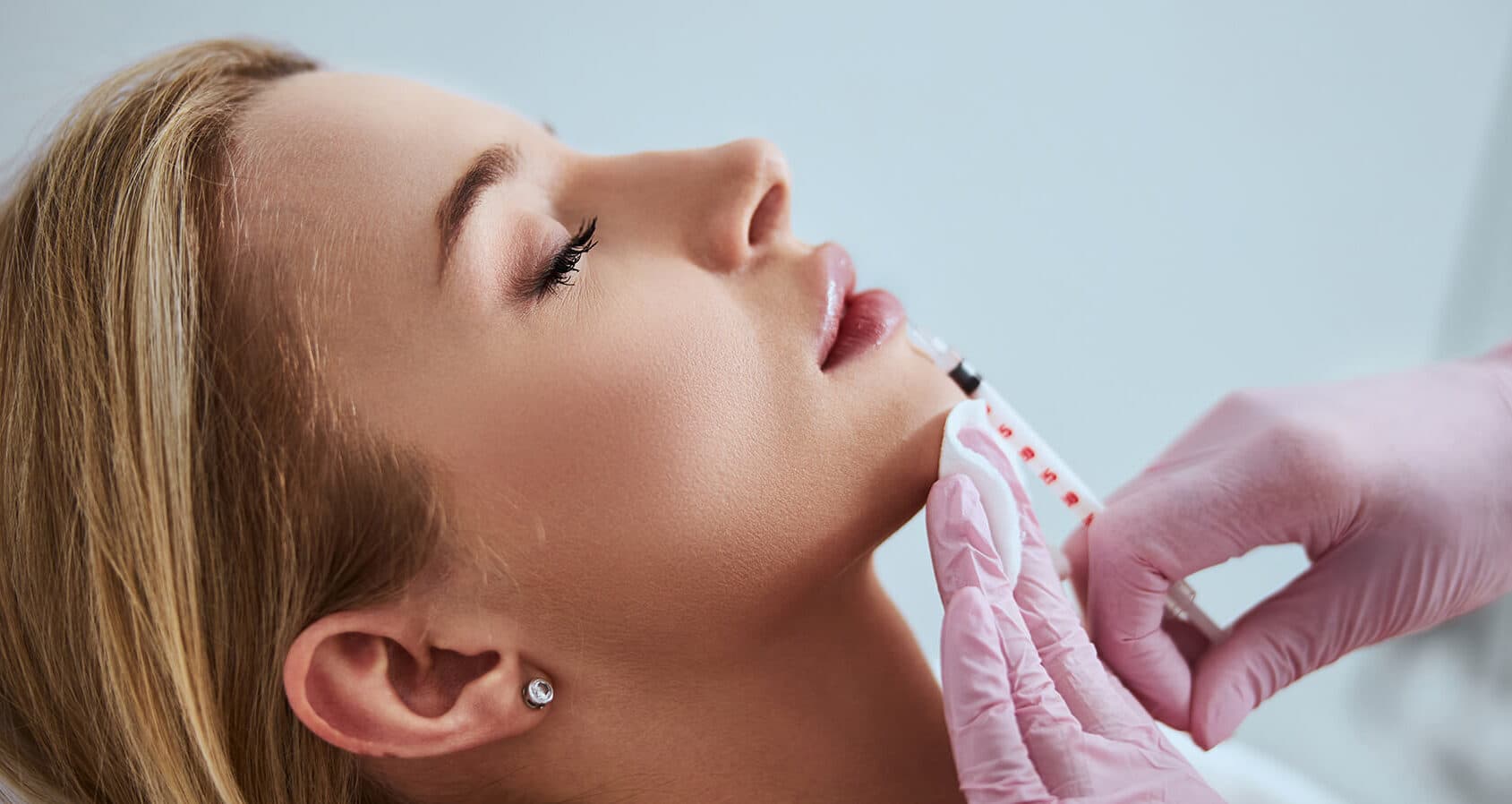
The first week after Volite is usually uneventful. Redness, small bumps and mild swelling at the injection points are expected and typically settle within 24 to 48 hours; bruising and tenderness are possible, particularly around the eyes, and generally resolve over a few days to a couple of weeks. Strenuous activity is avoided for 72 hours. The result itself peaks at around 10 to 14 days, not this week.
That last sentence is the one people find hardest. Most of the first week is spent waiting rather than watching something happen, and the temptation is to read meaning into a week that has very little to report.
What is the written aftercare, and does this page replace it?
It does not, and that distinction matters.
You are given written aftercare on the day of treatment. That document is specific to you — the areas treated, the number of injection points, anything in your history that changes the instructions. This page describes the general shape of a week. Where the two differ, the written aftercare wins, every time.
It also means that questions this page does not answer are not unanswerable. When to resume your usual skincare, what to do about makeup, what to do about sun exposure or travel — these are settled with your doctor rather than guessed at from the internet, and if your written aftercare does not cover something you have thought of, ring and ask rather than deciding for yourself.
Day 0 — what does the day of treatment look like?
It looks like a treated area, not like a result.
Before anything begins, anaesthetic cream is applied to the treatment areas and left on for 30 to 45 minutes, so build that waiting time into your day. The area is then marked and treated as a grid of small injections, so the hyaluronic acid spreads evenly across the whole area rather than gathering at a point.
Afterwards, expect small bumps where each injection went in, some redness and mild swelling. This is the picture the clinic expects, and it is worth photographing on your own phone in decent light — not to compare with anyone else's week, but so that if you do need to describe a change later, you have something to describe it against.
Plan the day so you are not going straight to something that matters. Not because there is a rule about it, but because you will feel more comfortable about it if nobody is looking closely.
Day 1 — should the bumps still be there?
Usually, yes, and that is unremarkable.
Slight redness, small bumps and mild swelling are normal on the day and the day after. Most patients are back to normal quickly, which is a genuine statement about this treatment and not a reassuring turn of phrase — the expected window for the injection-point reaction settling is 24 to 48 hours.
If a bruise has appeared overnight, that is within the expected picture too, especially around the eyes where the skin is thinnest. Bruising there generally resolves over a few days to a couple of weeks, which is a wider range than most people expect, so plan around the long end rather than the short.
Days 2 and 3 — when can I go back to the gym?
Strenuous activity is avoided for the first 72 hours, so the honest answer is day four rather than day three.
That covers the obvious — the gym, running, anything that leaves you red and overheated — and it is a full three days from the treatment rather than three calendar dates. If you train seriously and 72 hours is genuinely awkward, say so at the consultation while it can still be planned around, rather than negotiating with yourself on day two.
By the end of day three, the injection-point reaction has usually settled. What is often still present is a bruise, which is running on its own longer clock and does not mean anything has gone wrong.
Days 4 to 7 — why does my skin look exactly the same?
Because at this stage it largely is the same, and that is the expected course of things.
The effect peaks at around 10 to 14 days, with improvement continuing over the first month. So the second half of week one falls into the gap between the treatment having settled and the result having arrived. Nothing is wrong. It is simply too early.
This is where people start hunting for reassurance, and it is worth naming that in advance. If you catch yourself checking a mirror several times a day in week one, you are checking too early for the treatment you have had. Put a note in your diary for day fourteen instead.
Day 10 to 14 — what happens at the review?
The result is reviewed at around the two-week mark, which is the peak, and therefore the first honest point at which it can be judged.
That appointment is also where the maintenance rhythm is set: routine repeat treatments are planned roughly every six to nine months, and your doctor confirms the interval based on how your own skin has responded rather than a standard figure. Bring your day-0 photograph. Two weeks is long enough that memory quietly adjusts what your skin looked like before.
What should make me contact the clinic rather than wait?
This is the part of the page to read twice.
Every micro-injection is a small break in the skin, so although the expected reaction is modest, the signs of a problem at an injection site are worth knowing by name. Ring the clinic, without waiting for your review appointment, if any of the following happens:
- an area becomes hot to the touch, or pain is building through a day instead of easing;
- redness or swelling is spreading outwards, or is clearly worse on day three than it was on day one, when the direction of travel should be the other way;
- anything is discharging from an injection point — any fluid at all, which can be a sign of infection;
- a rash, itching or swelling appears away from the treated areas, rather than at them;
- you feel unwell in yourself — feverish, shivery, generally off — in the days after treatment;
- a bump, mark or lump is not settling on the timeline described above, or is changing rather than fading;
- anything at all is worrying you to the point that you have started searching for it. That is reason enough on its own.
Please do not try to work out from this list, or any other, what your particular symptom means. You cannot examine your own skin the way the person who treated it can, the same appearance can have more than one explanation, and the point of the list is to tell you when to make contact — not what it signifies.
How to escalate, in order. Ring the clinic first and describe what you can see, when it started, and whether it is better or worse than yesterday. Say that you had an injectable treatment and give the date. If the clinic is closed and you are unwell in yourself — feverish, or the area is rapidly worsening — do not wait for the clinic to open: seek urgent medical care, and tell whoever sees you what treatment you had and when. If something has changed suddenly and severely, treat it as urgent rather than as a question about aesthetics.
None of that is written to alarm you. It is written because a specific instruction is more useful at 9pm on a Sunday than a general reassurance, and because the people who wait longest are usually the ones who did not want to make a fuss.
Does this week look the same for every treatment?
No — and it is worth not transplanting aftercare between treatments.
The first week after a different injectable, such as Profhilo or skin botox, follows its own instructions and its own timings. What a friend was told after their treatment is not guidance for yours, however similar the two sound. Follow the written aftercare you were given, for the treatment you actually had.
What about the cost of the review?
The review at two weeks is part of the treatment pathway rather than a separate purchase, and what the treatment itself costs depends on the area treated and how many injection points it takes to cover it — settled at assessment rather than published in advance.
The consultation, if you have not yet had treatment, is ₹500, waived against treatment.
Where to go next
If you have already been treated, your written aftercare is the document that governs your week, and the clinic phone number on it is not a last resort. The Volite treatment page carries the protocol, timings and side effects in full if you would like to reread them.
If you are still deciding, and this page has made the first week feel manageable, book an appointment at our Indiranagar or Bellandur clinic and ask what your own week would look like.