
After Root Canal Treatment (RCT): What's Normal and What Means Call the Clinic
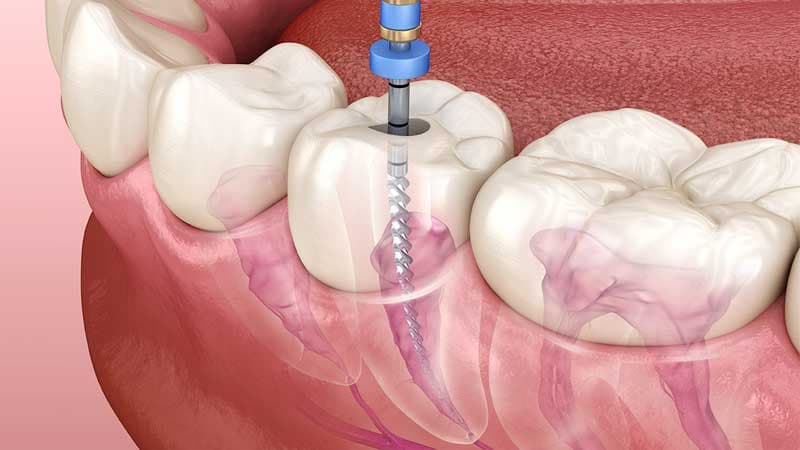
Soreness in the treated tooth and the gum around it for a few days, tender when you bite, easing with ordinary pain relief — that is the expected picture and it means nothing has gone wrong. Pain that is getting worse instead of better, swelling, a bite that suddenly feels high, or a temporary restoration that has come away are all reasons to telephone the clinic rather than wait and hope.
This piece exists to save you the 2am search. It is not a substitute for somebody looking at your tooth, and nothing here can tell you what is happening in your own mouth — only what is worth a call.
What is genuinely expected in the first few days?
Tenderness. The tooth feels bruised, biting on it is unwelcome, and the gum around it may be a little sore. Ordinary over-the-counter pain relief is generally enough to manage it, and the whole thing tends to fade over a few days rather than switching off at a particular hour.
Some sensitivity to hot and cold in the area is also common while things settle. None of this is a complication; it is a tooth registering that it has been worked on.
What should I expect a few weeks later?
Very little, and that is the point. Once the tooth has settled and the permanent restoration is on, it should stop asking for your attention altogether. A treated tooth that continues to grumble every time you eat, weeks after the event, is not something to get used to — it is something to mention.
When should I telephone rather than wait it out?
Any of these. None of them is an emergency in the dramatic sense, and all of them are easier to deal with early than late.
- Pain that is increasing day on day instead of easing, or pain that has stopped responding to the relief that was working earlier in the week.
- Swelling near the gum by the treated tooth, or in the face or jaw on that side.
- Pain on biting that persists beyond the first several days, rather than fading.
- A bite that feels wrong — the tooth seeming to make contact before the others when you close.
- A temporary crown or filling that has come loose, cracked or fallen out.
- A piece of the tooth breaking away, or a sudden sharp change in how the tooth feels when you chew.
- Symptoms returning after a settled stretch — weeks or months of nothing, and then tenderness, biting pain or swelling around that tooth again.
The reason none of these should be sat on is straightforward. A small proportion of root canals do not fully resolve — a canal that was difficult to find, an infection that persists, or a later fracture — and every one of those is more workable when it is looked at early. Retreatment is often possible. A tooth left until it splits sometimes is not.
What warrants same-day care rather than the next free slot?
Do not attempt to assess this at home. Facial swelling that is spreading rather than staying put, swelling that begins to affect your eye or the floor of your mouth, difficulty swallowing or breathing, a fever, or feeling genuinely unwell in yourself alongside the tooth — treat those as reasons to be seen the same day rather than booked in for later in the week. Telephone the clinic and say plainly what is happening; if you cannot reach anyone and the symptoms are in that group, go to an urgent care service.
That paragraph is deliberately cautious. Spreading infection is uncommon and the overwhelming majority of people reading this will never need it — but it is the one category where waiting to see how it looks in the morning is the wrong instinct.
The tooth hits first when I bite. Is that really worth calling about?
Yes, and it is often the quickest thing on this list to put right.
A restoration that sits fractionally too high concentrates every bite onto one tooth. That produces ongoing soreness that can easily be mistaken for the treatment having failed, and left alone it can crack the restoration itself. Adjusting it is a chairside job measured in minutes. People routinely endure this for weeks under the impression that it will bed down. It will not.
My temporary came off. Does that matter?
It does. Whatever is covering a prepared tooth between visits is doing a real job — the tooth underneath is sensitive and is not meant to be exposed, and the neighbouring teeth can begin to drift into the space.
Telephone the clinic, keep the piece if you have it, and stay off that side until you are seen. Do not cement it back yourself with anything from a chemist. It is a short appointment, and it protects the crown that has already been made for you.
How do I tell the difference when I am anxious about it?
Ask yourself which way things are moving, over days rather than hours.
Recovery is gradual and dull. Discomfort in the treated tooth should be a little less noticeable each day, even if the change is small. That trajectory — steadily unremarkable — is the reassuring one, and it is worth more than how sore any single afternoon happened to be.
Anything that reverses that trend, or arrives new after a settled period, is information rather than bad luck. It does not mean the treatment has failed. It means somebody should look, which is exactly what the clinic is there for.
And if you are simply not sure? Call. Nobody at a dental practice thinks less of a patient for checking, and the alternative — a week of searching symptoms at night — is worse for you than a two-minute conversation.
Background on the procedure and its documented side effects sits on the root canal treatment page; the protective restoration is covered under bridges and crowns, and the smaller repair under dental fillings. To get a tooth looked at, book an appointment.