
How to Prepare for Volite (and What to Avoid Beforehand)
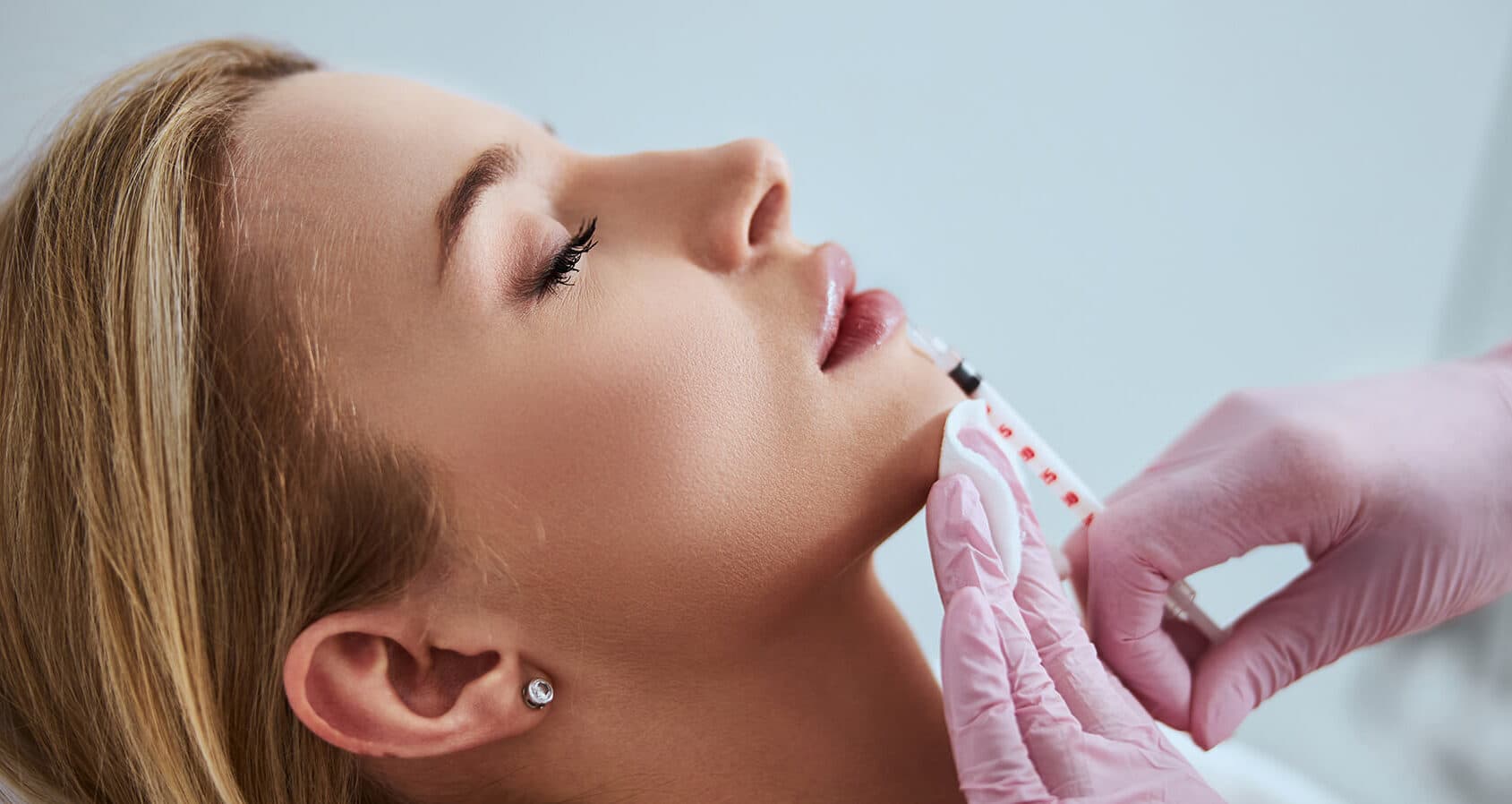
Block out longer than you think — anaesthetic cream sits on the skin for 30 to 45 minutes before any injecting starts. Tell your doctor about every medicine and supplement you take, and about pregnancy, breastfeeding or any infection near the area. Do not book it close to an event: the result peaks at around 10 to 14 days, and bruising is possible.
That is the prep in five lines. Everything below is the reasoning, and the detail that turns a good appointment into an easy one.
What is the single most useful thing to do beforehand?
Have the consultation, and be honest in it about what is bothering you.
Volite is a hyaluronic acid skin-conditioning injectable delivered as many small micro-injections across an area. It is not a filler in the usual sense — it does not add contour or volume. The first step in our own protocol is a doctor establishing whether your concern is hydration and texture, which this addresses, or volume loss, which it does not.
That sounds procedural, and it is the single most common reason a patient leaves an appointment disappointed. If you arrive wanting a fuller cheek or a sharper jaw and describe it as tired skin, you may get exactly what you asked for and none of what you wanted. Say the actual thing.
How much time should I block out on the day?
More than the treatment takes. Anaesthetic cream is applied to the treatment areas and left on for 30 to 45 minutes before the micro-injections begin, so the appointment is meaningfully longer than the injecting part of it.
Plan for that in your diary rather than arriving with a call booked forty minutes later. If you are coming from work, factor in that you will be sitting with cream on your face for a good part of the visit.
What should I tell the doctor before we start?
Everything relevant, and some things you might assume are not.
Say if you are pregnant or breastfeeding. Volite is not advised in either case.
Say if you have any infection at or near the area to be treated, however minor it seems. An active infection at or near the site is a reason not to proceed that day.
Say if you have ever reacted to a hyaluronic acid product. Known hypersensitivity to hyaluronic acid is one of the documented reasons the treatment is not suitable.
List your medicines and supplements — prescription, over-the-counter and the ones that live in the kitchen cupboard rather than the medicine box. And say if you bruise easily, particularly if the area under discussion is around the eyes.
Is there anything I should stop taking beforehand?
That is a question for your doctor at consultation, and deliberately not one this page will answer with a list.
Bring the full list of what you take and let it be reviewed. If anything needs pausing, your doctor will say so, and will say for how long. What you should not do is stop a prescribed medicine on your own because a website — this one included — suggested it. Whether something is stopped, and whether stopping it is safe for you, are medical decisions about you rather than general rules about a treatment.
The same applies to your skincare routine. If you are on a prescribed topical, raise it rather than quietly stopping it the week before.
How far ahead of an event should I book?
Further ahead than feels necessary, for two separate reasons that stack.
The first is the timeline. The effect typically peaks around 10 to 14 days after treatment, with improvement continuing over the first month. Booking three days before a wedding gets you the recovery without the result.
The second is bruising. Redness, small bumps and swelling are expected at the injection points and typically settle within 24 to 48 hours. Bruising and tenderness are possible, particularly around the eyes, and generally resolve over a few days to a couple of weeks.
Read those two together and the answer is clear. If there is a date you care about, aim for at least three to four weeks before it, so that the result has peaked and any bruise has had time to clear. Nobody can promise you will not bruise, which is exactly why the margin is the sensible plan rather than an optimistic one.
What should I plan around afterwards?
Strenuous activity is out for 72 hours. If your week is built around training, book with that in mind rather than trying to negotiate with it afterwards.
Expect small bumps at the injection points on the day and possibly the day after — that is the grid pattern the treatment is delivered in, and it is described in our own protocol as expected rather than as a complication. Most patients are back to normal quickly.
You will be given written aftercare, and there is a review at around 10 to 14 days when the result peaks. Put that review in the diary at the time of booking rather than treating it as optional; it is where the doctor sees what your skin actually did and plans the repeat interval, which is commonly every six to nine months.
Should I come with a clean face, and what should I bring?
A clean face where you can manage it — the anaesthetic cream goes onto the skin itself, so anything sitting on top of it has to come off first, and doing that at home saves appointment time.
Bring your medicine and supplement list, and bring your questions written down. Bring clarity about the area too: the face is the common one, but the neck, décolletage and the backs of the hands are all commonly treated, and they show dehydration and fine crepiness early. Which areas are treated is settled at the consultation, and it changes how much time to allow.
How do I know Volite is the treatment I want?
By having the concern assessed rather than the product chosen.
If what you want is better hydration, smoother texture and softer fine surface lines — particularly around the eyes, which is the commonest area treated for exactly that reason — this is the conversation to be having. Oily skin does not rule you out, incidentally: oiliness and dehydration are different things, and oily skin can be dehydrated too.
If your concern is different, other injectables in the same family may fit better. Profhilo is a hyaluronic acid injectable that spreads through the skin rather than staying where it is placed, working on skin quality and firmness. Skin Botox — micro-Botox or mesobotox — places heavily diluted botulinum toxin into the most superficial layer of the skin and is aimed at texture, pore size and oiliness. None of these is a substitute for the others, and choosing between them is what the assessment is for.
Booking it
The consultation is ₹500, waived off against treatment, and it is where the areas, the suitability and the timing are all settled. If you have a date in mind, mention it when you book so the appointment can be placed sensibly rather than squeezed in.
Book an appointment, and come with your medicine list and your actual complaint. Those two things do more for the outcome than anything you could do to your skin in the week beforehand.