
How to Prepare for Root Canal Treatment (RCT), and What to Avoid Beforehand
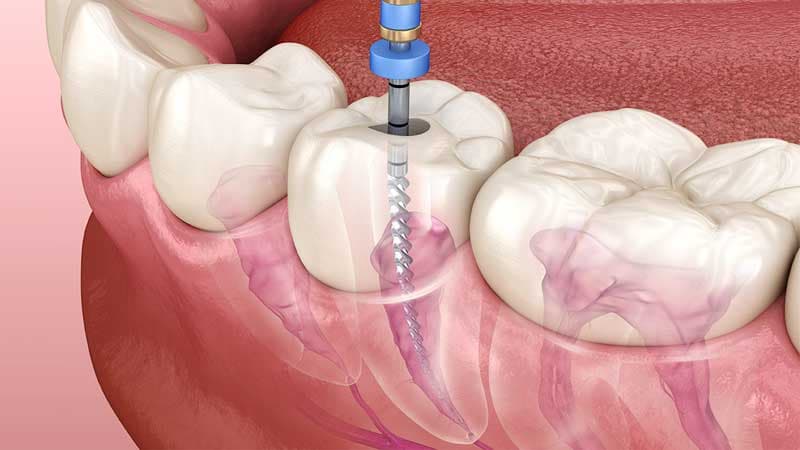
Preparing for a root canal is mostly about three things: telling your dentist your full medical and medication history before the day, eating a proper meal beforehand because the anaesthetic will keep your mouth numb for a while afterwards, and blocking out more time than the procedure itself needs. A straightforward single-visit case takes roughly 60 to 90 minutes, and you want buffer on either side of that, not a meeting.
Everything else is detail, but the detail is where people get caught out.
What should your dentist know before the day?
Everything you are taking and everything you are being treated for, including the things that feel irrelevant to a tooth. Bring the list rather than trying to remember it in the chair.
The disclosures that genuinely change how an appointment is planned:
- All prescription medication, particularly anything affecting bleeding or clotting. Do not stop taking something on your own initiative before a dental appointment — say what you are on and let the dentist advise.
- Heart conditions, valve replacements or joint replacements. These sometimes change the plan around a procedure involving infection.
- Diabetes, which affects healing and is worth the dentist knowing about.
- Pregnancy, or if you think you might be pregnant — this matters for X-rays and for medication.
- Any allergy or bad reaction to an anaesthetic, an antibiotic or a painkiller. Say which drug and what happened.
- Whether you grind your teeth, because it affects what the finished tooth will be asked to withstand.
None of this is a screening quiz you can fail. It is how the dentist plans a safe appointment for you specifically.
Should you eat before a root canal appointment?
Yes — have a proper meal beforehand, unless you have been given different instructions. The treatment is carried out under local anaesthesia, not general anaesthesia, so there is no requirement to arrive with an empty stomach, and there is a good reason not to.
The numbness does not lift the moment you stand up. Until it has fully worn off you can bite your cheek, lip or tongue without feeling it, and hot drinks are a genuine hazard because you cannot judge the temperature. Eating well before the appointment means you are not hungry while you wait for sensation to return.
Eat on the other side, obviously. If chewing on the affected side has been painful, you have probably been doing that already.
What should you bring?
Bring your previous dental X-rays if you have any, especially recent ones of the same tooth — they show what has changed. Bring a written list of your medication with doses, and bring your ID and insurance details if you are claiming.
If you are anxious, bring someone. It is a reasonable thing to do and nobody will think it odd.
Can you go straight back to work afterwards?
Most people can, but do not schedule anything that needs your face to cooperate. One side of your mouth will still be numb when you leave, so speaking clearly, drinking a coffee without wearing it, and looking composed are all harder than usual for the first couple of hours.
Beyond the numbness, the tooth and the gum around it often feel sore or tender to bite on for a few days afterwards, and over-the-counter pain relief is usually enough for that. It is not usually a reason to take time off, but it is a reason not to book the appointment for the morning of a presentation.
Practical booking advice: take a mid-morning or early-afternoon slot, keep the hour after it clear, and if you can, avoid the day before you travel.
What should you avoid in the days beforehand?
Less than you might expect, and the list is short deliberately.
- Do not chew on that side. You are probably not anyway, but keeping load off a painful tooth is sensible.
- Do not try to treat it yourself. Clove oil, aspirin held against the gum, and repeated courses of leftover antibiotics from a previous illness are all common and none of them address a pulp infection sealed inside a tooth.
- Go easy on alcohol the night before, mostly so you sleep and arrive rested.
- Do not stop your regular medication without being told to.
- Do not cancel because the pain settled. Pain easing is not the same as the infection resolving, and left untreated an infection can spread and cause an abscess. If the pain has changed, tell the clinic — do not silently disappear.
If the pain becomes severe, or you develop swelling near the gum, or the tooth hurts sharply when you bite, contact the clinic before your appointment rather than waiting it out at home.
What should you ask before you sit down?
Three questions save most of the confusion afterwards:
Is this likely to be one sitting or two? Straightforward cases are often completed in a single appointment. A tooth with an active infection, or with several curved canals, may need a second visit so things settle before the canals are sealed. Your dentist can say which after the X-ray.
What is the restoration, and when? After the canal work the tooth needs a filling or a crown to rebuild its strength and protect it from fracture under chewing load. For back teeth that is usually a crown, because a root-treated tooth is more brittle and takes heavy forces. Where enough sound tooth remains, a filling may be the answer. Ask which applies to you and get the follow-up appointment in the diary on the day.
What is included in the quote? Worth settling before treatment starts rather than afterwards.
Preparing if the idea of it frightens you
This is the commonest reason people arrive months later than they should have, so it deserves a plain answer rather than reassurance. The procedure is carried out under local anaesthesia, so you should not feel pain during it, and most people find the toothache that brought them in was worse than the treatment.
If you are still dreading it, say so at the consultation. Being able to raise a hand and pause, knowing roughly how long each stage takes, and having someone in the waiting room all help more than being told not to worry. Anxiety about dentistry is common and it is not something to apologise for.
Read the full sequence on the root canal treatment page, or book an appointment to get the tooth looked at. Consultation ₹500, waived against treatment.