
How to Prepare for Dental Implants (and What Preparation Actually Means)
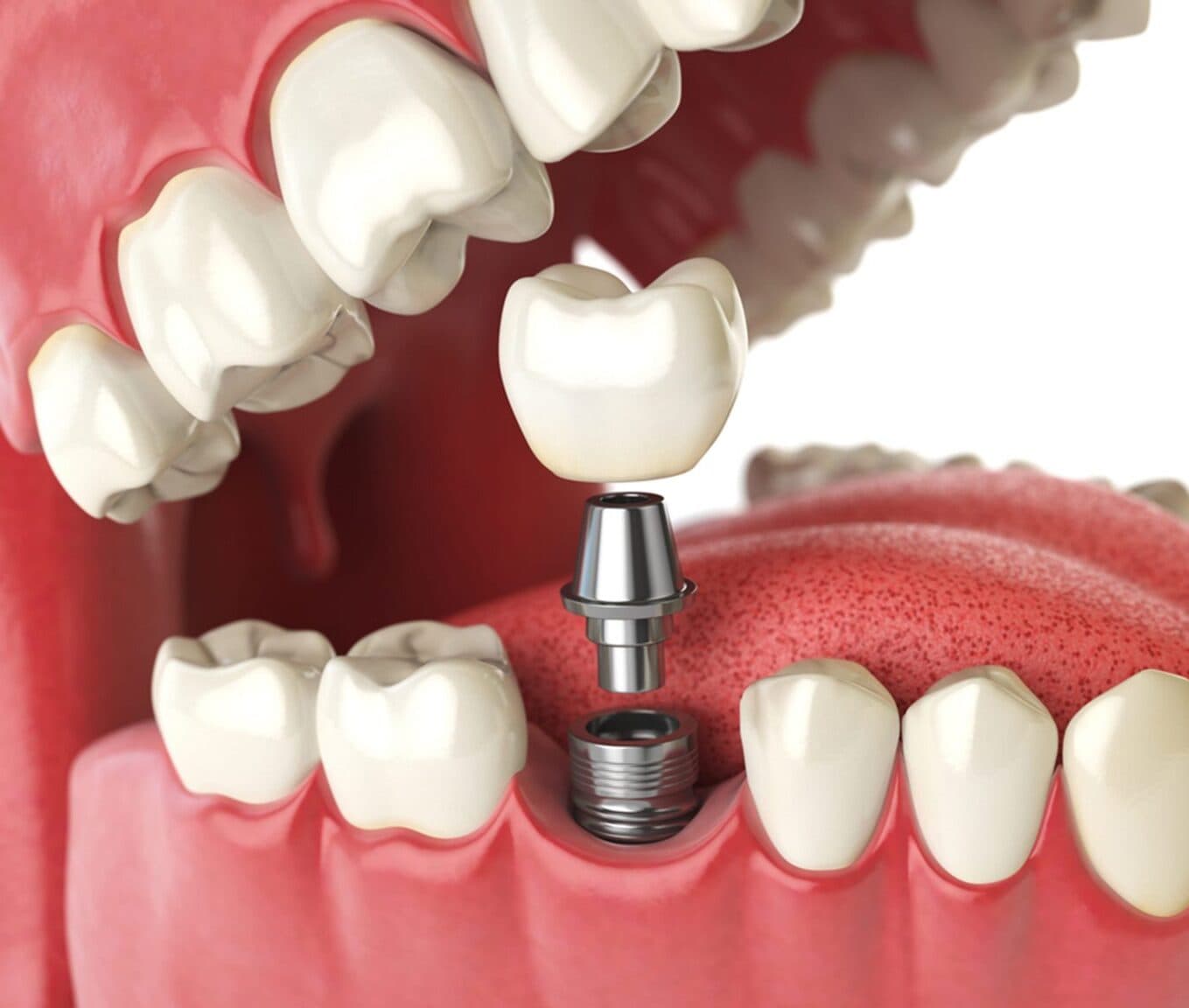
Preparing for a dental implant is mostly not about the week before the appointment. The things that decide how your treatment goes — how many implants you need, how long the whole thing takes, whether anything has to happen before placement — are settled at the planning stage, and what you bring to that appointment is what settles them. The week before placement has its own instructions, and those come from your dentist for your case rather than from any page.
That is worth saying plainly, because "how to prepare" articles about surgical procedures tend to hand out pre-operative rules that are not theirs to give. What follows is the preparation that genuinely is in your hands.
What does preparation for an implant actually involve?
Supplying the information that the plan is built from. A Dental Implant is an artificial tooth root, usually titanium, placed into the jawbone to support a replacement tooth — and how many of them you need is decided at the planning stage, not quoted in advance. One implant can carry a single crown; implants can also support a bridge spanning several missing teeth, or a full arch.
So the first thing to prepare is an honest account of what you actually want replaced. Not just the gap that bothers you most — all of it. A plan built around one visible gap, when there are two more behind it, is a plan that gets revised later.
The second is your medical history and every medication you take, including anything occasional and anything you would not think of as a medication. What in that list changes the approach, and how, is the dentist's judgement. Your job is to make sure nothing is missing from it.
What should I expect the timeline to be?
Several months — and you should expect the exact figure to be given after assessment rather than before it. The reason for the months is that the implant needs time to fuse with the jawbone before the final tooth is attached, and how long that takes depends on bone quality and on whether any grafting is needed.
Typically it runs to three or four visits across the full treatment. Knowing that number in advance is the single most useful piece of planning you can do, because it reframes the decision: you are not booking a procedure, you are committing to a sequence that will outlast a couple of project cycles at work.
Anyone who gives you a firm timeline before looking at your jaw is guessing at the two things that actually control it.
How do I fit three or four visits across several months around work?
By choosing the branch you can realistically keep getting to, and by treating the days after placement — not the day of it — as the part that needs the diary.
Placement is done under local anaesthesia, so the procedure itself should not hurt. Afterwards, soreness and swelling for a few days are normal, and they are managed with medication and post-operative care. That is the window to plan around: not a day off, but a few days where you would rather not be presenting to a client or sitting in a long commute with a sore jaw.
In Bangalore the branch question is more than a convenience. A treatment spread across several months lives or dies on whether you will actually make the follow-ups, and an hour each way on the Outer Ring Road in a monsoon week is exactly what turns a scheduled review into a postponed one. Pick between Bellandur and Indiranagar on the basis of the appointment you will be least willing to travel for, not the one you are booking enthusiastically today.
What should I ask for before the appointment rather than after?
The post-operative instructions. There is no reason to be reading them for the first time while your jaw is sore and the chemist has closed.
Ask what you will need in the days after placement, what you are expected to avoid and for how long, and what the clinic wants you to do if something does not feel right. Buy and arrange all of it in advance. Everything about the recovery is easier when it was prepared for on a day when you felt fine.
Ask too what the plan is for the gap in the meantime, because several months is a long time to be thinking about it and the answer is part of the plan rather than an afterthought.
Is there anything I should be doing for my mouth beforehand?
Keeping it in the condition you intend to keep it in afterwards. Implants are built to last with good hygiene and regular check-ups — they are a long-term replacement rather than something swapped out every few years — and the habits that deliver that are the same ones worth having in place before placement.
An implant is cleaned like a natural tooth. There are no adhesives, no nightly soaking and no fixative, which is one of the quiet advantages over a removable appliance — along with the fact that being fixed in the jaw means it does not slip or click while you speak.
What preparation cannot do is substitute for the examination. Whether an implant is the right answer for your mouth is decided in the chair, and it is always a dentist who places it.
What if the plan turns out to be something else?
That is a normal outcome of the planning appointment, not a failure of it, and it is worth going in open to it. An implant leaves the neighbouring teeth alone — a conventional bridge requires the two teeth beside the gap to be reshaped — and it keeps the jawbone stimulated where a tooth has been lost, which is why it is often the first thing discussed. But it is not the only route.
If the assessment points elsewhere, Bridges & Crowns and Dentures each have their own pages and their own cases where they genuinely fit. Arriving attached to one answer is the main way people end up with a plan that does not suit them.
Booking the planning appointment
Bring the full list of what you want replaced, your medical history and every medication, and your diary for the next several months. Those three things are the whole of what preparation means at this stage — the rest is decided by the examination and the scan.
Book an appointment at either branch when you have them ready. The consultation fee is waived against treatment if you go ahead, and the planning conversation is where your actual timeline, visit count and pre-operative instructions come from.