
Dental Implants in India: What Patients Here Ask That Guides Written Abroad Never Answer
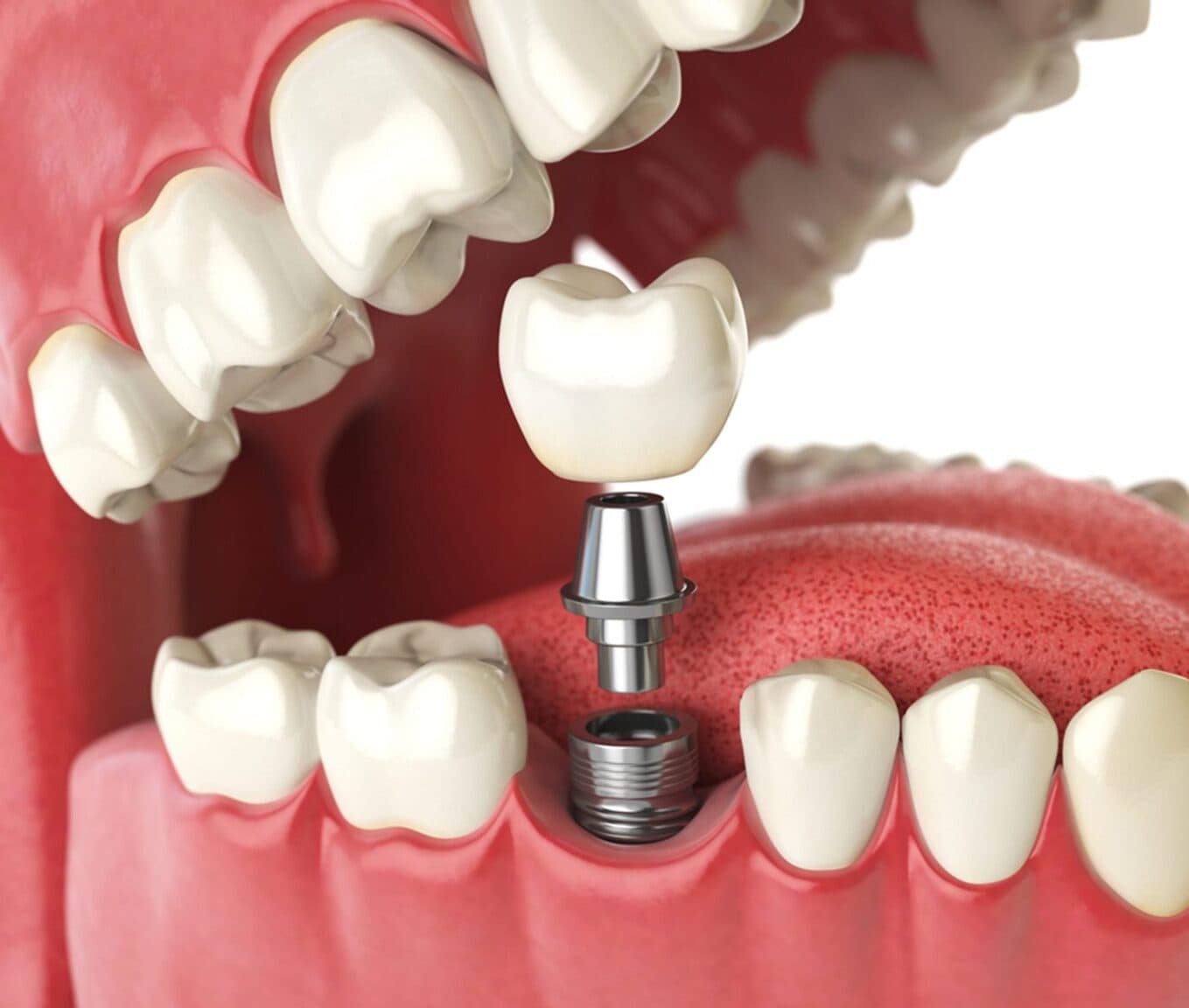
The implant itself is the same object wherever it is placed: a titanium post in the jawbone, an abutment, and a crown on top. What differs in India is everything around it — you are usually paying directly rather than through an insurer, you choose the clinic yourself, and the questions patients here ask are about quotes, travel and their own general health rather than about waiting lists.
That gap is why so much of what you find online reads oddly. This post answers the questions we are actually asked in Bangalore, and refuses to answer the one that cannot be answered honestly on a web page.
Why do guides written abroad not answer the question you have?
Because they are written for a different system. A great deal of implant content assumes an insurer sits between you and the treatment: it tells you to check your coverage, to expect a referral, to join a list. Here, dental treatment is generally paid for directly rather than routed through a policy, and there is no queue to join — which changes what you actually need to know.
The decisions that matter here are the ones those guides skip. Which clinic, on what evidence. What the quote you have been handed does and does not cover. Whether the plan you have been offered is the only plan. And whether your own health changes what is possible. Those are the sections below.
One thing does translate without adaptation, and it is worth stating plainly: dental implants are placed by a dentist, always. That is not a formality. Placement is a surgical procedure carried out under local anaesthesia, planned from imaging, and it belongs in a dental setting with a dentist accountable for it.
What is actually being put in my jaw?
Three separate parts, and knowing them makes every quote easier to read. A titanium post, shaped like a small screw, is placed into the jawbone and left to fuse with it — the process called osseointegration. An abutment then connects that post to the visible part. The crown on top is what you see and chew with. Titanium is used because bone bonds to it readily.
The reason to hold those three names in your head is that a price quoted for "an implant" may mean the post alone, the post and abutment, or the whole assembly including the crown. Same word, three different scopes. Ask which one you are being quoted, and get the answer in writing.
What should a quote here cover, and what sits outside it?
A quote is only comparable with another quote if you know what has been left out of each. The things most often sitting outside a headline figure are the imaging, any bone grafting, the crown itself, and the review appointments afterwards — so a lower number can quietly be a smaller scope rather than better value.
Rather than a checklist to memorise, keep the shape of the treatment in mind and ask where each stage sits in the figure you have been given. The full course typically runs three to four visits: assessment and imaging, a treatment plan, placement, and then restoration and review once the implant has fused. Every one of those stages costs something to deliver, so every one of them is either inside the quote or outside it.
Why does nobody honest publish a price for this?
Because there is no such thing as the price of an implant, and a page that prints one is describing an imaginary mouth. The plan covers how many implants are needed, what kind of restoration goes on top, whether any grafting is required first, and the timeline — and that plan is set after an examination and imaging, not before.
We do not print a figure here for exactly that reason. What is fixed in advance is the consultation, which is ₹500 and is waived off against treatment if you go ahead. The quote comes at the planning appointment, against your actual jaw.
Should I travel to another city to have this done?
Look closely at the timeline before you book flights. This is not a treatment completed in a single visit: it usually takes several months, because the implant needs time to fuse with the jawbone before the final tooth is attached, and the exact duration depends on bone quality and whether grafting is needed.
That shape — three to four appointments spread across months, with reviews afterwards — suits treatment near where you live far better than treatment somewhere you visited once. It also means the individual appointments are short and plannable, which is the part that surprises people: the overall duration sounds demanding, while the actual demands on your diary are modest. If something needs adjusting, or the bite needs checking, you want that to be a short trip across town.
I have diabetes — does that rule me out?
Not automatically, and the distinction that matters is control rather than diagnosis. What our own treatment page names is uncontrolled diabetes, along with active gum disease, heavy smoking and insufficient jawbone, as things that can affect healing. Whether any of that applies to you is established at assessment, and it is a conversation between you, your dentist and the doctor managing your diabetes — not something to settle by reading.
The useful thing you can do is arrive with the facts: your current medication, your recent results if you have them, and the name of the doctor managing it. An assessment done with that information in front of it gives you a real answer rather than a cautious one.
Does smoking or tobacco change anything?
Heavy smoking is named on our own treatment page as something that can affect healing, so it belongs in the conversation rather than being left out of it. Declare any tobacco use at assessment — in any form, and honestly — so the dentist can weigh it properly when planning. Nobody is going to lecture you; they need it to plan around, in the same way they need your medication list.
What if the scan shows there is not enough bone?
Then grafting is discussed, and it is a normal part of implant planning rather than a setback. Bone is lost where a tooth root is missing, so this comes up often where a tooth has been gone for a long time. Your dentist will tell you at the planning appointment, on the evidence of the X-rays or CT scan, whether there is enough bone to hold an implant securely.
Where an implant is not the right answer, it is not the only answer. A bridge spans the gap using crowns on the teeth either side — quicker, no surgery, but it means reshaping those neighbouring teeth, which is permanent. A removable option rests on the gums instead and involves no surgery at all, which matters where bone volume or general health rules surgery out. Both are set out on the bridges and crowns and dentures pages, and a proper consultation compares all three against your mouth rather than selling you the one you walked in naming.
What happens after placement, and when should I ring the clinic?
Expect some tenderness, swelling and minor bruising around the site for a few days. That is normal, and it is usually managed with the medication you are prescribed. You will be asked to keep to soft foods and to avoid chewing on the surgical side for a short period while the site closes.
Contact the clinic rather than waiting, and rather than trying to interpret it yourself, if:
- pain or swelling is increasing after the first few days instead of settling;
- bleeding does not stop, or restarts after it had stopped;
- you develop a fever, or a bad taste or discharge from the site;
- the area feels hot, or the swelling is spreading;
- something feels loose, or the bite feels wrong when your teeth meet;
- or anything at all worries you, whether or not it is on this list.
None of that is a nuisance call. Being seen early is quick; waiting to find out whether something counts is not.
Where to go next
If you are weighing this up, the honest next step is an examination and imaging — because the number of implants, the restoration, whether grafting is needed and the timeline are all set there, and so is your quote. Book an appointment at The Aesthetic Edge, Indiranagar or Bellandur, and get the plan and the alternatives set out against your own jaw before you commit to anything.