
What Is Wisdom Teeth Removal? A Plain-English Explanation
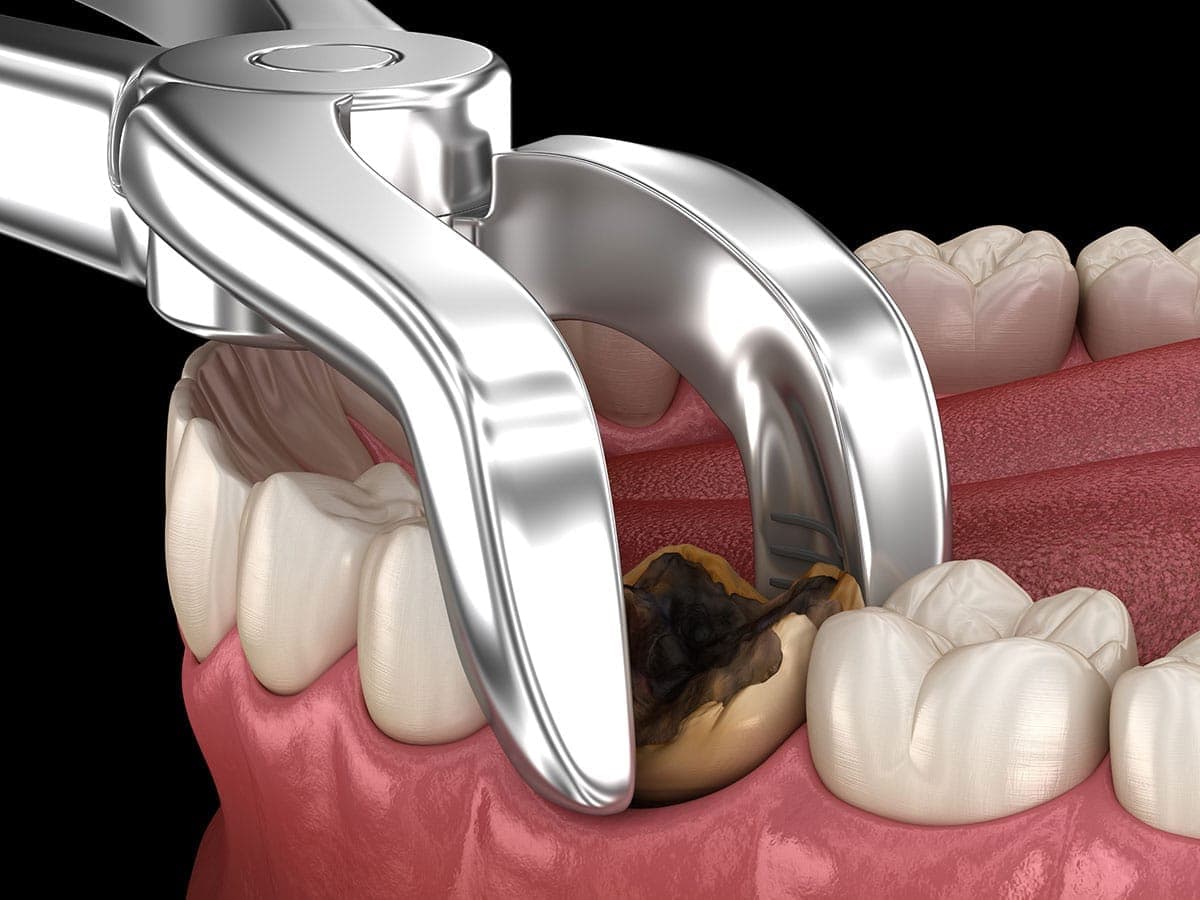
Wisdom teeth are the third molars at the very back of the mouth, usually appearing in the late teens or early twenties. There is often not enough room for them, so they come through at an angle or stay partly buried. Removal is a dental extraction, done under anaesthesia, recommended when a wisdom tooth is causing problems or when the X-ray shows it is likely to.
Most people reading this are not weighing up an optional procedure. They have an ache at the back of the jaw that keeps coming back, or a dentist has pointed at an X-ray and used the word impacted. This is written for that situation.
Does every wisdom tooth need to come out?
No. A third molar that has erupted straight, has room, and can be cleaned properly is usually left alone. There is nothing inherently wrong with having wisdom teeth.
Removal is considered when the tooth is impacted, when it pushes against the tooth in front, when the gum around it keeps getting infected, or when decay cannot be reached. An X-ray settles which of those applies — and it is a genuine question rather than a formality, because a symptomless, well-positioned wisdom tooth that is monitored is a perfectly normal outcome.
What are the actual reasons for taking one out?
Five, and they overlap.
Impaction. A tooth without room to emerge properly becomes impacted, which causes pain, recurrent infection and pressure on the tooth in front.
Repeated gum infection. A partly erupted wisdom tooth leaves a flap of gum that traps food and bacteria. The resulting inflammation, pericoronitis, tends to recur until the tooth is out. This is the pattern most patients recognise: managing flare-ups with painkillers and antibiotics for months, with the same episode returning every few weeks.
Protecting the second molar. An angled wisdom tooth presses into the root or crown of the healthy molar in front, which can cause decay or resorption in a tooth well worth keeping. Where decay has already started there, a filling may be needed alongside the extraction.
Cysts around buried teeth. A tooth retained in the jaw can develop a cyst in its follicle, which enlarges over time and damages surrounding bone. It is uncommon, and it is why buried teeth are monitored rather than forgotten about.
Cleanability. Wisdom teeth sit where a brush barely reaches, so decay and gum disease start there and spread forwards.
The pain is bad right now. Do I wait for a routine appointment?
Contact the clinic rather than waiting it out. Severe pain, a swollen gum you cannot clean, or an infection that has flared again is a reason to be seen sooner rather than later — not something to manage with painkillers until a convenient slot appears. When you call, say how bad the pain is and whether there is swelling or fever, because that is the information used to decide how urgently you need to be seen.
Anything involving spreading swelling, fever, or difficulty swallowing should be reported immediately rather than described at a scheduled appointment next week.
This is not a page that can tell you what is causing your pain. It can tell you that "wait and see" is the wrong default when a wisdom tooth is symptomatic, and that the clinic would rather hear from you early.
What happens at the appointment?
Consultation and X-rays. Medical and dental history, examination, and imaging to map the tooth's angle and the position of its roots relative to the nerve and the sinus.
Treatment plan. How many teeth are being removed, in what order, the anaesthesia used, and what to expect from recovery.
Extraction. The tooth is removed under anaesthesia, sectioned if impacted, and the socket is cleaned and sutured where required. A deeply buried tooth is a surgical extraction and sits within the clinic's broader oral surgery work.
Recovery and review. Aftercare instructions, then a follow-up to confirm the sockets are healing and to remove any non-dissolving stitches.
Why is the X-ray non-negotiable?
Because lower wisdom tooth roots can lie close to the nerve that supplies the lip and chin, and upper ones sit near the sinus. The imaging is what shows the relationship before anything is done, and it is the difference between a planned extraction and a surprise.
Temporary numbness or tingling of the lip and chin after a lower extraction is uncommon, and lasting change is rarer still — but it is a real possibility, it is what the pre-operative X-ray exists to assess, and it should be discussed with you before the procedure rather than mentioned afterwards. If it has not been raised, ask.
Does it hurt?
Not during. The extraction is done under anaesthesia — local, with sedation available depending on the case — so you should not feel pain while it is happening.
Afterwards is a different matter, and it is worth being straight about. Soreness, swelling and limited jaw opening for several days are normal after a surgical extraction. Swelling usually peaks on day two or three and then settles, and cold compresses in the first day help. Some oozing on the first day is normal and is controlled by biting on gauze. All of this is managed with prescribed pain relief and the aftercare you are given.
How long is recovery?
Most people are back to normal activity within a few days to a week. A deeply impacted tooth generally takes longer than a straightforward one. Full healing of the socket continues for some weeks after you feel fine, which is why the aftercare instructions run past the point where you stop noticing anything.
Plan for the first two days rather than the first two hours: soft, cool foods, avoiding the extraction side, and no very hot food, alcohol, smoking or drinking through a straw. Those last three all raise the risk of dislodging the blood clot.
What can go wrong?
The things worth knowing about, none of which are reasons to avoid a needed extraction:
- Dry socket. If the blood clot is lost, the socket becomes acutely painful a few days after extraction. It is treatable, and the risk is reduced by not smoking, not rinsing vigorously and not using a straw in the first days.
- Infection of the socket. Less common, and treatable.
- Nerve involvement in the lower jaw, as above.
- Bleeding that does not settle, as opposed to the normal first-day oozing.
When should I call the clinic after the procedure?
If pain increases rather than eases after the third day. If bleeding does not settle. If you develop fever, spreading swelling, a bad taste, or difficulty swallowing.
None of these are things to wait out at home. The direction of travel is the useful signal: discomfort that is steadily improving is doing what it should, and discomfort that turns around and gets worse after day three is worth a phone call.
Can all four be taken out at once?
Sometimes, depending on the difficulty of each tooth, the anaesthesia used and your general health. Doing one side at a time leaves you able to chew on the other, which some patients prefer. It is a planning conversation rather than a fixed policy.
When is the right age to have them out?
Late teens to early twenties is often easier, because the roots are less fully formed and the bone is less dense. That said, the right timing is what your own X-ray and symptoms indicate — plenty of people have wisdom teeth removed considerably later because that is when the tooth started causing trouble.
What does it cost?
Wisdom tooth removal starts from ₹2,499 per tooth. It is priced per tooth because that is what the fee covers — how many teeth need treating is decided by the dentist after the X-ray, and confirmed at your consultation. A single straightforward extraction and a deeply impacted tooth are different amounts of work, which is another reason the figure is settled after imaging rather than over the phone.
The consultation is ₹500, waived off against treatment.
If the back of your jaw has been flaring up for months, the X-ray is the thing that turns it from a recurring nuisance into a decision. Book a consultation and bring a note of how often it has happened — that history is genuinely useful.