
Do You Actually Need Your Wisdom Teeth Removed?
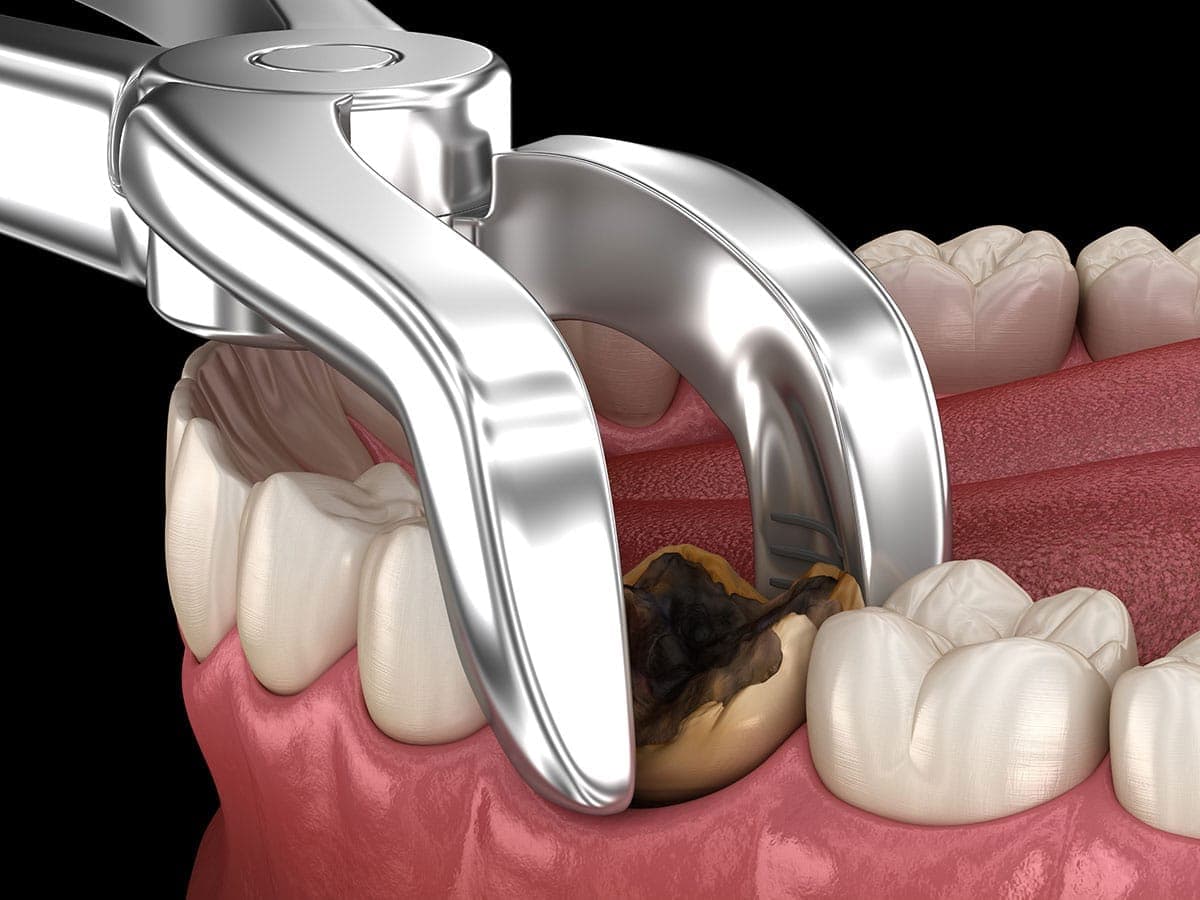
No — not every wisdom tooth needs to be removed. A third molar that has come through fully, sits in a functional position and can be cleaned properly can be left alone. Removal is recommended when the tooth is causing problems, or when an X-ray shows it is likely to — and that distinction, problem tooth versus bystander tooth, is the entire decision.
Wisdom teeth are the third molars at the very back of the mouth, usually appearing in the late teens or early twenties, and the trouble is architectural: there is often not enough room for them, so they come through at an angle or stay partly buried. This post lays out which situations genuinely call for Wisdom Teeth Removal, which can be watched instead, and why the answer lives on an X-ray rather than in your symptoms.
What are the signs a wisdom tooth actually needs to come out?
Five situations do most of the deciding, and they share one feature: in each, the tooth is actively causing or courting damage.
Impaction. A wisdom tooth without room to emerge properly becomes impacted — wedged at an angle or stuck under the gum — which causes pain, recurrent infection and pressure on the tooth in front. Removing it addresses the cause rather than the flare-ups.
Repeated gum infection. A partly erupted wisdom tooth leaves a flap of gum that traps bacteria and food, causing pericoronitis — the swollen, angry gum at the very back that makes a week miserable. It tends to recur until the tooth is out, which is why "it settled with antibiotics" is usually a pause, not an ending.
Threat to the second molar. An angled wisdom tooth presses into the root or crown of the healthy molar in front of it, and that pressure can cause decay or resorption in a tooth well worth keeping. Sacrificing a useless third molar to protect a working second one is one of the easier trades in dentistry. (If that neighbouring molar has already been damaged deeply, it may need its own rescue — the territory of Root Canal Treatment (RCT) — which is one more argument for acting before the damage is done.)
Cyst risk around buried teeth. A tooth retained in the jaw can develop a cyst in its follicle, which enlarges over time and damages surrounding bone. It is uncommon — but it is precisely why buried teeth are monitored rather than forgotten.
A corner you cannot clean. Wisdom teeth sit where a brush barely reaches, so decay and gum disease start there and spread forwards. Where a tooth is repeatedly collecting trouble simply because it is uncleanable, removing it simplifies hygiene for the whole back of the mouth.
And running through all five is the pattern we see most often at both our Indiranagar and Bellandur clinics: the patient who has been managing flare-ups with painkillers and antibiotics for months — riding out each episode between project deadlines, promising themselves they will deal with it after this sprint. Extraction removes the cause rather than treating each episode; the pharmacy strip only rents you time.
When can a wisdom tooth just be left alone?
When it is doing its job quietly. Fully erupted, upright, biting functionally against its opposite number, reachable with a toothbrush — that tooth has earned its place and removal would be surgery without a reason. Plenty of people carry all four third molars through life without incident.
The honest caveat: "no pain" and "no problem" are not the same thing. An impacted tooth can be silently pressing on its neighbour, and a buried one can be developing a cyst, with nothing to feel until the damage is established. That is why the decision is made on an X-ray — which also checks the root position relative to the nerve and the sinus before any extraction is planned — and why a symptomless wisdom tooth flagged as "likely to cause problems" is a monitoring or removal conversation, not a dismissal. A tooth cleared on X-ray gets left alone with periodic review; that is the balanced answer, and it cuts both ways.
What is the removal actually like?
Less dramatic than its reputation. The shape of it: a consultation with X-rays, the procedure itself, then a follow-up. The extraction is done under local anaesthesia — with sedation available depending on the case — so you should not feel pain during it. Afterwards, soreness and swelling for several days are normal and are managed with prescribed pain relief and aftercare instructions.
Most people are back to normal activity within a few days to a week; a deeply impacted tooth generally takes longer than a straightforward one, and full healing of the socket continues for some weeks after you feel fine. Complex and deeply buried cases sit within the clinic's wider Oral Surgeries practice, and every extraction here is performed by a dentist, always.
On timing: the late teens to early twenties is often the easier window, because the roots are less fully formed and the bone less dense — but the right timing for you is whatever your own X-ray and symptoms indicate, not your age bracket. A thirty-five-year-old with recurrent pericoronitis should not wait for a better decade that is not coming.
Settle it with an X-ray, not another strip of painkillers
If a back corner of your mouth has been flaring up, or a dentist once mentioned an impacted tooth you have been ignoring since, the question deserves a real answer. Book an appointment at The Aesthetic Edge — Indiranagar or Bellandur. An examination and an X-ray will tell you plainly which of your wisdom teeth are bystanders, which are trouble, and what — if anything — actually needs doing.