
What Changes the Cost of Preventive Dentistry in India
Preventive dentistry is priced per visit, and the visit is the smaller half of the question. What decides your actual spending is how often you come — an interval set to your own risk rather than a default six months — because that frequency is what determines whether the next appointment finds something small or something that has already grown into a root canal.
This is the one area of dentistry where the arithmetic runs backwards from everywhere else. In most of the field, spending less now means spending less. Here, spending less now is how the larger bill gets made.
What is actually in a preventive visit?
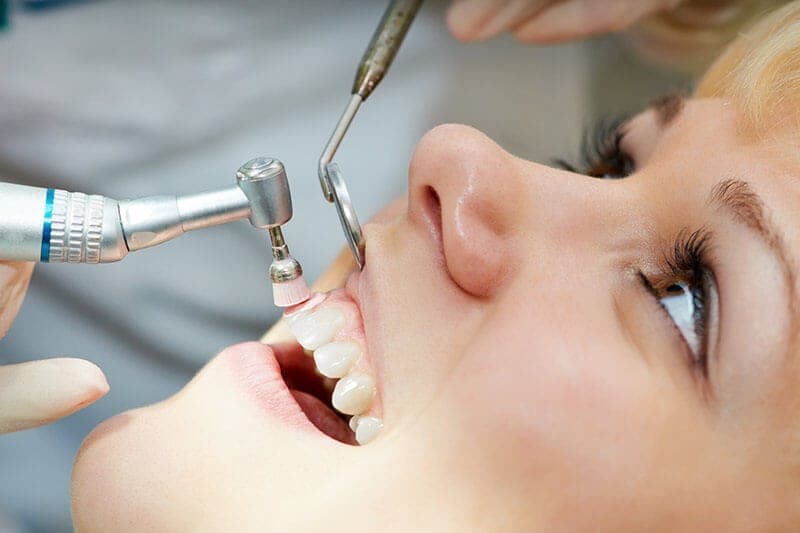
Preventive dentistry is the routine work that keeps you out of the chair for anything bigger. A visit covers an examination, professional cleaning, and technique guidance for the specific spots you are missing.
That third part is worth pricing properly, because it is the part people discount. Generic brushing advice helps less than being shown the three places you personally keep missing, and those three places are only visible to somebody looking in your mouth. It is the cheapest thing in the appointment and frequently the most useful.
Alongside those, two preventive treatments are added where they are indicated rather than as standard: fluoride application, which strengthens enamel against acid attack, and fissure sealants, which close off the deep grooves of the back teeth where most cavities begin. Neither is automatic. Both are decided at examination.
How is my recall interval decided, and why does it set the cost?
Every six months suits most people. It is not a rule.
If you have a history of gum disease, form tartar quickly, smoke, or have a high rate of decay, your dentist may recommend shorter intervals. Somebody at low risk may be seen less often. The interval should be set to your risk, not to a default — and because the interval is the multiplier on everything else, it is the single largest factor in what preventive care costs you across a year.
It starts with a proper risk assessment: a full examination plus a history of diet, habits, medication and cleaning routine. Diet is not a moral question here, it is a pricing one — the frequency of sugar matters as much as the quantity, and someone grazing through the day carries a different risk from someone eating the same amount at meals.
If you are quoted a plan, ask what your recall interval is and what set it. An interval chosen from your risk is a clinical decision. An interval chosen because it is what the practice does is a default with a price attached.
Are X-rays taken at every visit?
No, and you should be wary of any arrangement where they are.
X-rays are taken at intervals set by risk, to see between and beneath the teeth where an examination cannot reach. Somebody with a high rate of decay needs them more often than somebody with none. They are a real line on the bill, so it is fair to ask how often yours are due and why.
The same logic applies to being pregnant. Preventive care is generally appropriate during pregnancy — gum inflammation is common then, so it matters more rather than less — but treatment planning and imaging are adjusted. Say so at the start of the appointment rather than at the end.
Does the cleaning itself vary in price?
It varies in what it involves, which is not quite the same thing.
Gums that are already inflamed bleed when cleaned and feel tender briefly afterwards. That is a sign of existing inflammation rather than of damage being done — but it also tells you that somebody arriving after several years away is a different appointment from somebody arriving six months after their last one. The longer the gap, the more there is to remove.
At The Aesthetic Edge, scaling and polishing starts at from ₹1,499. Sensitivity to cold for a few days afterwards is common and usually settles on its own; mention it if it does not.
Is prevention genuinely cheaper, or is that a slogan?
It is the clearest financial case in dentistry, and it rests on one fact about the diseases involved: decay and gum disease cause no symptoms in their early stages. By the time a tooth hurts, the simple and inexpensive window has usually closed.
Two examinations a year cost far less than the fillings, root canals and crowns they prevent. Gum disease in particular — not decay — is the leading cause of adult tooth loss, and its early stage is reversible. Regular cleaning and monitoring is how that stage gets caught, and catching it is the difference between a clean and a much longer conversation.
The honest qualification: regular visits substantially lower the chance of decay and gum disease, but no one can promise you will never get either. Genetics, medication, dry mouth and diet all continue to matter. Prevention shifts the odds and reduces the size of what gets found. It is not insurance.
This is also the answer to the most common objection we hear — "I brush twice a day and still get cavities". Brushing alone misses the surfaces between teeth. Dry mouth from medication, enamel defects and deep grooves all play a part. An examination is what identifies which of those applies to you, and until it does, you are spending money on the wrong fix.
Is children's preventive care priced differently?
The components differ, so the visit does.
Children's dentistry leans harder on fluoride, sealants and regular check-ups at the age when the back teeth are most vulnerable to decay, and on establishing cleaning habits early. Sealants are worth knowing about specifically: they are a thin coating applied to the grooves of the back teeth, clear or tooth-coloured and effectively invisible, and placing them needs no drilling and no anaesthesia.
That last detail is the reason parents ask about them and then hesitate. There is nothing to be nervous about in the procedure itself.
Does it matter who performs it?
Preventive work is carried out by a dentist or a dental hygienist, and both are appropriate — but the examination and the risk assessment are what set your plan, so it matters that somebody qualified is doing the looking rather than only the cleaning.
City and clinic overheads move the per-visit figure, as they do everywhere in dentistry. They do not change the underlying arithmetic on this page: the interval matters more to your total than the difference between two clinics' cleaning prices.
What does The Aesthetic Edge charge?
The consultation is ₹500, waived off against treatment. Scaling and polishing starts at from ₹1,499. Beyond that, what you pay depends on what your examination finds and what interval your risk sets — which is why we quote after looking rather than before.
If you have not seen a dentist in years and nothing hurts, that is not reassurance. It is the exact situation preventive dentistry exists for.
Book a consultation at Indiranagar or Bellandur.