
After a Preventive Dental Visit: What the First Week Is Actually For
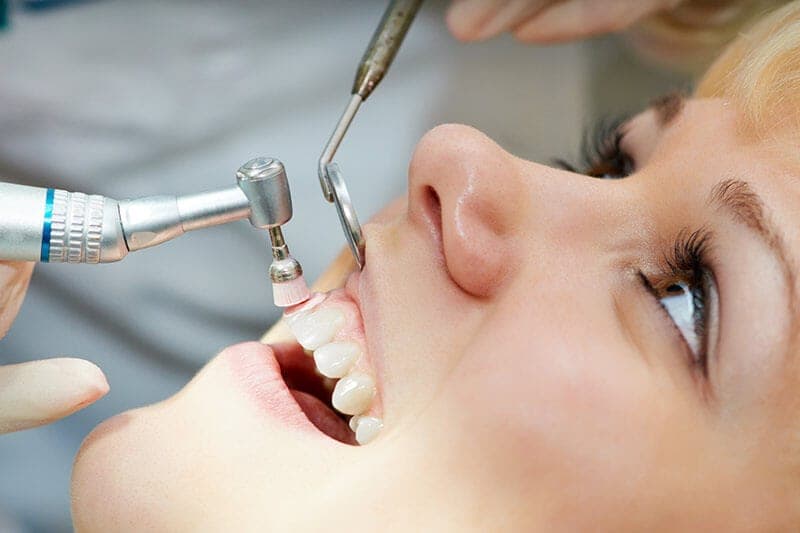
There is very little to recover from after a preventive dental visit. Teeth can feel sensitive to cold for a few days after a professional clean or a fluoride application, and gums that were already inflamed will have bled during the cleaning and feel tender briefly afterwards. That is the whole physical account of the week.
Which is why the week is worth writing about for a different reason. Preventive dentistry ends with something no other dental appointment ends with: you are shown, specifically, where plaque is accumulating in your own mouth and how to clean those areas. The seven days that follow are when that either becomes a habit or evaporates. Treat the week as a rehearsal rather than a recovery and you get considerably more out of the appointment you have already paid for.
Is there anything I actually need to avoid?
No restricted list, and that is a genuine answer rather than a reassuring one. A preventive visit is an examination and a cleaning, with fluoride applied and sealants placed where they are indicated — nothing is cut, extracted or reshaped, so there is no wound to protect and no eating rules to observe.
Two sensations are expected and neither is a restriction. The first is cold sensitivity, below. The second is your gums, also below. Beyond those, your week looks like any other week, which is precisely the problem the rest of this piece is about.
Why do my teeth suddenly feel sensitive to cold?
Because a professional clean removes deposits that were sitting against the tooth, and because fluoride has just been applied. Teeth can feel sensitive to cold for a few days afterwards, and it usually resolves on its own.
The practical version in this city: cold water from a fridge bottle on a warm afternoon is the commonest way people discover this, somewhere around day one. It is not a sign the cleaning was too aggressive. If the sensitivity is still there as the week closes rather than fading through it, mention it — that is worth a conversation rather than a wait.
My gums bled during the cleaning and feel tender. Did something go wrong?
No, and this is the single most misread moment in preventive dentistry. Gums that are already inflamed bleed when they are cleaned, and feel tender briefly afterwards. That bleeding is a sign of existing inflammation, not of damage being done to you.
The distinction matters because the wrong conclusion has a cost. People who decide the cleaning hurt their gums tend to clean that area more gently afterwards, which is the opposite of what inflamed tissue needs, and the inflammation that caused the bleeding stays exactly where it was. The tenderness is short-lived. The inflammation is the thing that needs the week.
So what is this week actually for?
Practising the specific technique you were shown, on the specific areas you were shown, rather than brushing the way you already brushed for the last twenty years.
This is the part of the appointment that most reliably gets wasted. The examination established your actual risk rather than an assumed average one, and the guidance you were given was for your own problem areas — the particular surfaces where plaque was accumulating in your mouth. That is not the same as general advice to brush twice a day, and it is not interchangeable with what your sibling was told at their appointment.
A reasonable way to hold onto it: before you leave the chair, or in the car, write down which areas were named. Two or three places, in your own words. By Thursday you will not remember them otherwise, and a technique you cannot locate is a technique you are not using.
How can I tell whether it is working by the weekend?
Watch whether the bleeding settles. Inflamed gums bleed when cleaned; gums that are being cleaned properly in the places that needed it tend to protest less as the inflammation comes down. That change, over days, is the most direct feedback available to you at home.
What you should not do is judge it by how your teeth look. Nothing visible changes in a week, and a clean mouth and a healthy mouth are not the same photograph. The honest measure is what your gums do when you clean the areas you were told about.
One caution worth stating plainly: regular preventive visits substantially lower the chance of decay and gum disease, but they do not remove it. Genetics, medication, dry mouth and diet all continue to matter, and a good week of brushing does not suspend any of them.
What did the dentist mean about my diet?
Whatever came out of your own examination — which is the point. Dietary advice at a preventive visit follows from what was found in your mouth and the history you gave about how you eat, so there is no universal list to reproduce here, and a blog post inventing one would be substituting a general rule for the specific one you were handed.
If you cannot remember what was said, that is worth a phone call rather than a guess. If you can, the first week is when it is easiest to act on — and in a working week in Bangalore the realistic version is usually about timing and frequency rather than giving anything up, which is a conversation your dentist has probably already had with a hundred people on your street.
When does the first week end, and what replaces it?
With a recall interval rather than a date. After the visit a review interval is set to your own risk: six months suits most people, but a history of gum disease, a high decay rate or smoking usually warrants shorter.
That interval is the real aftercare instruction, and it is why each visit compares against the last — changes are visible over time in a way they are never visible in a mirror. If your interval came back shorter than six months, that is information about your mouth rather than a sales pattern.
Two related notes. If the cleaning itself is what you are weighing up as a separate appointment, scaling and polishing is its own treatment with its own aftercare. And if you are managing a child's appointments alongside your own, kids' dentistry handles sealants and technique guidance differently from the adult version — do not transfer your instructions onto them.
If anything is still wrong at the end of the week
Sensitivity that fades through the week is expected; sensitivity that has not moved by the end of it is worth reporting. Gum tenderness is brief; gums still sore after several days are worth mentioning. And if you are pregnant and have not already said so, say it at the start of the next appointment rather than the end — preventive care is generally appropriate then and gum inflammation is common in pregnancy, but planning and imaging are adjusted.
If your last visit was long enough ago that you cannot remember what you were shown, that is the more useful thing to act on. Book an appointment at Bellandur or Indiranagar and ask for the problem areas to be named out loud before you leave the chair. The consultation fee is waived against treatment if you go ahead.