
What Changes the Cost of Mouth Ulcer Treatment in India
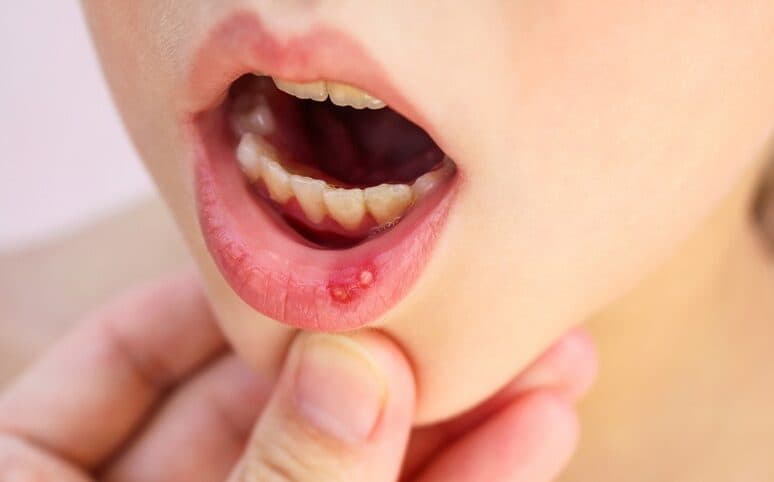
A mouth ulcer is a symptom, not a diagnosis, so there is no standing price for treating one. What you pay depends on what the examination finds — a sharp tooth edge to smooth, a recurring pattern to investigate, or a lesion that needs looking at properly. Our consultation is ₹500, waived against treatment.
That makes this a slightly different question from most cost questions, and it is worth answering in the order it actually arises rather than as a list of procedures.
Do I need to pay for anything at all?
Often not, and it would be dishonest to open with anything else.
An ordinary aphthous ulcer usually heals on its own within one to two weeks, without scarring. Most single ulcers, in an otherwise healthy mouth, are in that category. If you bit your cheek on Tuesday and there is a sore spot on Thursday, the sensible plan is a soft brush, gentle cleaning around the area, and avoiding spicy, acidic, salty and very hot food while it settles.
Mouth ulcer care becomes a dental matter in three specific situations: an ulcer that keeps coming back, one caused by something physically rubbing, and one that has not healed after two weeks. Those three are the ones this article is really about, because those are the ones that generate a bill.
What does the appointment itself consist of?
Four steps, and they are more diagnostic than most people expect.
The ulcer is examined, but so is the rest of the mouth, alongside your medical and dietary history — the point being to separate a one-off from a pattern. Where something is physically causing it, that cause is dealt with. Symptom relief is arranged so you can eat, drink and speak while the site closes. Then, for recurrent cases, there is review and prevention rather than a discharge.
Usually that is one assessment, plus a review if the ulcers are recurrent. The number of visits is the single clearest thing separating a cheap episode from an expensive one, and it is decided by whether the ulcer is a one-off or a pattern — not by the ulcer's size or how much it hurts.
Is a recurring ulcer more expensive than a single one?
Generally yes, and for a reason worth understanding: you are no longer paying to treat an ulcer. You are paying to find out why they keep arriving.
Frequent aphthous ulcers can point to nutritional deficiency — iron, folate or vitamin B12 — or to an underlying condition. Stress, hormonal cycles, certain foods and some toothpaste ingredients are common triggers, and working out which of them apply to you is what actually reduces how often ulcers occur. An assessment looks for that pattern rather than treating each episode as an unrelated event.
Whether that investigation goes beyond the mouth is a clinical decision made at the examination, and it is not something to estimate in advance from a web page. If you have been getting the same ulcers every few weeks for months, expect the conversation to be about the pattern.
What if something is rubbing the same spot?
Then the cost follows the repair, not the ulcer — and this is the version with the most satisfying ending.
Ulcers that keep returning to exactly the same place usually mean something is physically injuring that place: a sharp tooth edge, a broken filling, an orthodontic bracket, or a denture margin. Smoothing or adjusting the culprit is what stops the cycle, and once it is dealt with, the ulcer stops being a recurring expense at all.
What you pay in that scenario depends on what the culprit turns out to be. Smoothing a sharp edge is not the same undertaking as replacing a broken filling, and a rubbing appliance is different again. This is the most common reason two people quoted for "mouth ulcer treatment" end up paying quite different amounts: they were never having the same work done.
Are pharmacy gels a cheaper alternative to coming in?
For a one-off ulcer, they are reasonable. As a strategy for recurring ones, they are the expensive option in disguise.
Topical gels, barrier pastes and medicated rinses reduce pain enough that you can get through the days it takes to heal — that is genuinely useful. But they manage pain while an ulcer heals; they do not shorten healing much. If nothing is addressing why the ulcers keep occurring, they will keep occurring, and the running cost of managing each episode never stops.
Expect a brief sting when a gel or rinse touches an open ulcer, before the numbing effect begins. And a warm saltwater rinse does soothe the area and help keep it clean — a comfort measure, not a treatment, and not a substitute for having a persistent ulcer looked at.
That last point has a hard edge to it: continuing over-the-counter treatment on an ulcer that has not healed in two weeks delays a diagnosis that is much better made early.
When is cost not the right question?
When the ulcer has stopped behaving like an ulcer.
Any ulcer persisting beyond two weeks needs a professional look. So does one that is unusually large or severe. And some signs warrant being assessed promptly rather than at a routine appointment: fever alongside the ulcers, difficulty swallowing, ulcers spreading to the throat, or a lesion that bleeds easily or feels hard.
The reason is not dramatic and it is not negotiable. A small number of non-healing lesions are not ordinary ulcers, and those are far better identified early. If you are weighing a consultation fee against a sore that has been there for three weeks, that is the one situation where the fee is not the thing to be optimising.
What about laser treatment for ulcers?
It exists as an option, and it is decided at an examination rather than requested from a list.
Treating ulcers is one of the applications listed under laser dentistry, which is a technique used within other procedures rather than a treatment in its own right. Whether it is appropriate in your case is a clinical judgement, and the conventional alternative is explained alongside it. Where an ulcer turns out to be something requiring a soft-tissue procedure, oral surgery is the page describing that kind of work.
Why is no figure published here?
Because we have no confirmed price for mouth ulcer treatment to publish, and quoting a national range for something this variable would be a number invented to fill a gap.
Everything that sets the figure — whether it is one-off or recurrent, whether something is rubbing, whether investigation is warranted, and what the culprit turns out to be — is established by looking. Every appointment here is with a dentist, and the plan follows the examination.
If an ulcer has outlasted two weeks, keeps returning, or is stopping you eating properly, book an appointment at Indiranagar or Bellandur. The consultation is ₹500, waived against treatment.