
Lip Blush in 2026: Cost, Healing Timeline, and Colour for Indian Skin
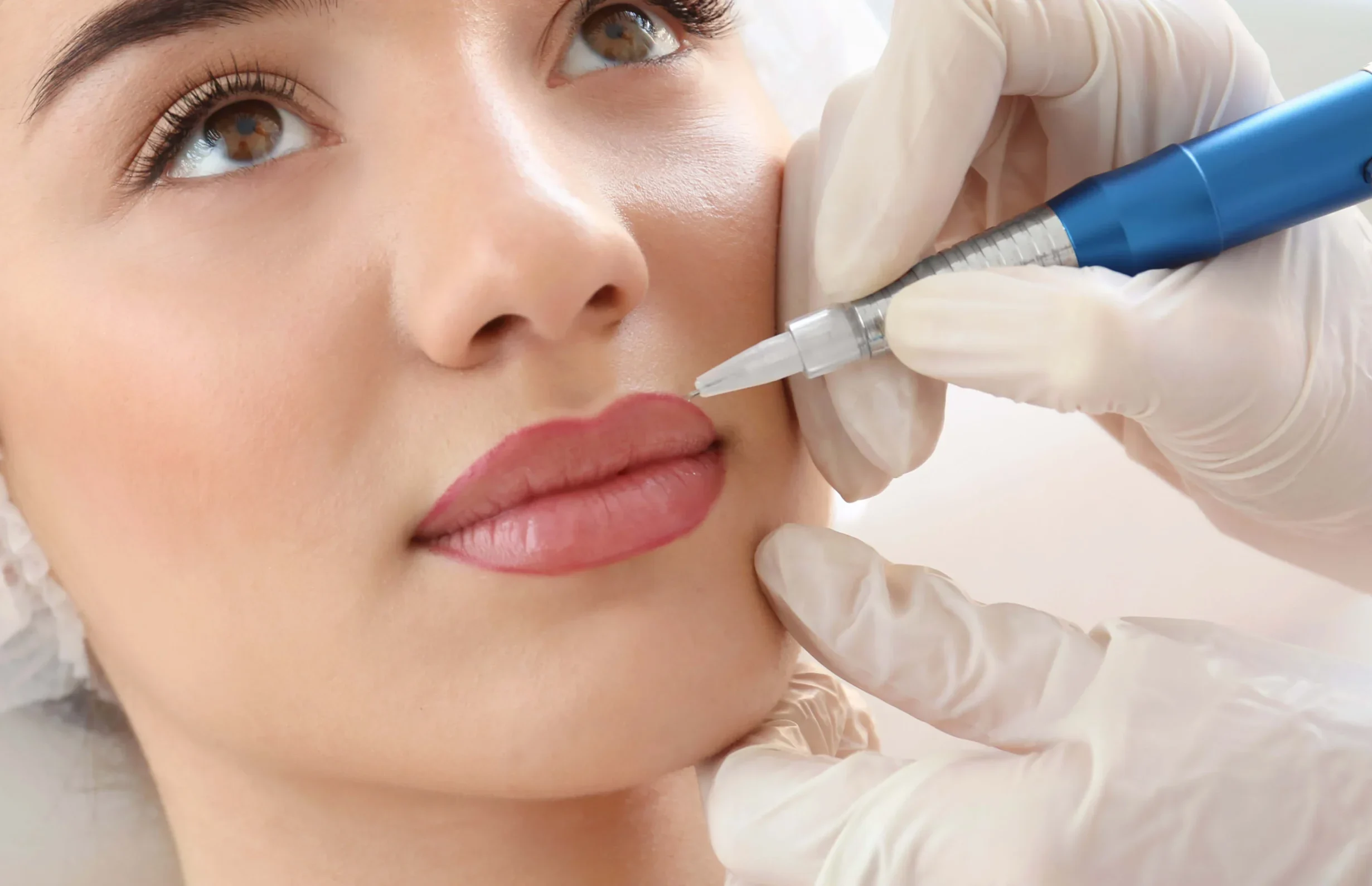
Lip blush has outgrown its trend phase. What started as an influencer curiosity is now a standard request in our Bangalore clinics — because the underlying idea is genuinely sensible: instead of applying colour to your lips every morning, place a soft, natural tint in them once, and wake up with it for the next year or two.
In one line, before the detail
Lip blush is semi-permanent micropigmentation: pigment implanted shallowly so the colour merges with your own lip tone rather than sitting on top of it. If that is the whole of your question, the short answer lives on what is lip blush treatment — this article is about the techniques, the healing and the cost. The clinical version of the same work is lip micropigmentation, which extends the technique to correcting genetic or stubborn lip darkening.
The finishes people are asking for now
Barely-there natural. Muted pinks, corals and soft berry tones matched to your undertone — the "your lips on their best day" brief. Still the most requested finish, and the most forgiving as it fades.
Ombré. Marginally deeper pigment at the border melting into a lighter centre. The gradient creates an impression of dimension and fullness with no volume added — which is why it books heavily with people who want fuller- looking lips without filler.
Dark-lip neutralisation. The technically demanding one, and disproportionately relevant for Indian skin: cool or bluish lip tones are first neutralised with corrector shades, then layered with the target colour. Done without the neutralising step, warm pigment over cool lips heals grey — which is the single most common correction case we inherit from elsewhere.
Corrective work. Evening out patchy tone, rebalancing asymmetry, softening the look of scarring. Less glamorous, most life-improving.
Why colour selection for Indian skin is the whole game
Pigment does not heal the colour it goes in. It heals through your skin — its melanin, its undertone, its healing behaviour — and Indian skin spans an enormous range of both. A shade that heals rosy on one person heals muddy or grey on another if the undertone was misread. This is exactly the "Indian skin needs Indian-specific colour science" principle our whole PMU practice is built on: undertone assessment first, corrector layers where needed, and healed results — not fresh ones — as the portfolio standard. When you review any artist's work, insist on photos labelled healed; everything looks good on day one.
The healing timeline nobody shows you
Day 1: Bold. Noticeably darker and more saturated than the target — this is normal and temporary, not your result.
Days 2–4: Dry, tight, lightly flaking. No picking; let the flakes leave on their own schedule. Colour looks patchy mid-flake, which alarms everyone and matters not at all.
Days 5–10: The "ghost phase" — colour appears far too light as new skin covers the pigment. Also normal. Also temporary.
Weeks 3–6: True colour blooms back through as skin matures. This is your actual result, and the reason judgment day is week six, not day six.
The touch-up: A refinement session around six to eight weeks completes the work — evening the colour, reinforcing the shape. It is part of the treatment, not an upsell.
Healed results typically hold one to three years depending on skin, sun and lifestyle, fading softly rather than sharply.
Blush vs tattoo vs filler — thirty seconds of clarity
A traditional lip tattoo is saturated and hard-edged; blush is soft and blended — a finish choice on the same spectrum. Fillers are a different tool entirely: they add volume and structure, blush adds colour and definition. The combinations are legitimate — many patients build structure with filler and finish with blush — but nobody should sell you one as a substitute for the other.
Choosing where to have it done
Pigment on your lips lives on your face for a year or more, so the vetting questions are worth asking bluntly: Who does the work, and how many healed Indian-skin results can they show? What pigments do they use? What is the hygiene protocol — fresh needles opened in front of you? Is a touch-up included, and is there medical oversight if your skin reacts? At The Aesthetic Edge, lip blush runs under doctor supervision at both Indiranagar and Bellandur, with the same photograph-every-stage documentation we apply to every semi-permanent makeup procedure.
If your morning routine includes drawing on the lips you wish you had, a consultation will show you healed results on skin like yours and map a colour to your undertone — before anything touches your lips.