
Scalp Micropigmentation: The Worldwide Trend, Assessed for Indian Hair
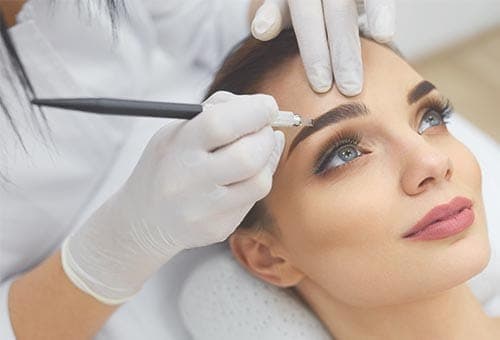
Scalp micropigmentation places tiny deposits of pigment in the scalp to replicate the look of hair follicles, giving the appearance of a closely shaved, fuller head of hair. The global surge behind it is real. It travels to Indian conditions reasonably well, with two conditions attached: the pigment shade has to be mixed against your own skin tone, and the scalp has to be kept out of direct sun afterwards.
That is the short assessment. What follows is the longer one, because most of the coverage you will have read about this was written somewhere with weaker sunlight and a narrower range of skin tones than Bangalore has.
Why is scalp micropigmentation suddenly everywhere?
Two things happened at once. Very short hair became an ordinary style choice rather than a concession to thinning, and a cosmetic procedure appeared that matches that style exactly — one that makes a shaved head look evenly dense instead of patchy.
The trend also spread quickly because the result is photographable on day one. Regrowth approaches are measured in months, so they make poor social media. As our own treatment page for scalp micropigmentation sets out, the change here is visible immediately after the first session. A before-and-after taken hours apart travels further than one taken a season apart, and that alone explains a good deal of the visibility.
None of that makes it a fad. It makes it a procedure whose marketing has a natural advantage, which is a different thing, and worth separating before you decide anything.
Does the trend hold up, or is it mostly marketing?
The honest answer is that it holds up for what it is, and the trouble starts when people expect it to be something else.
What it does is cosmetic camouflage. Pigment is deposited with fine microneedles at a controlled depth so the scalp reads as stubble rather than as bare skin. It does not grow hair, it does not move follicles, and it is not surgery. Anyone selling it as a restoration of your own hair is selling something the procedure does not do.
Within that boundary, the claims are modest and checkable. It addresses pattern baldness, diffuse thinning and scars on the scalp. It is non-surgical, with no incisions and none of the recovery that goes with them. It needs very little upkeep — no daily routine, just sun protection and occasional touch-ups. Those are the things our core actually claims, and they are unglamorous enough to be believable.
Does it work on Indian skin tones?
This is where imported advice is least useful, and where the answer is more encouraging than you might expect.
The pigment is not an off-the-shelf black. The shade is mixed to sit against your natural hair colour and your skin tone, and the density is adjusted so the result reads as stubble rather than as a block of colour. On deeper skin tones that adjustment is the whole job: too dark or too dense and the scalp reads as a flat cap of colour instead of as individual follicles.
Which means the part to scrutinise is not the technology but the consultation. Where the hairline sits, how soft its edge is, how it suits your face, what shade goes in — all of that is agreed with you before a single dot is placed. If a provider will not spend real time on that stage, the tone-matching that matters most on Indian skin is the thing being skipped.
How does Bangalore's sun change the maths?
It changes the maintenance, not the suitability.
The shade softens gradually over time, and sun exposure accelerates that. Protecting the scalp from direct sunlight, and having occasional touch-ups, is what keeps the result looking even. In practice that means a city with strong year-round UV asks a little more of you than a cloudier one does: a cap, or sunscreen on the scalp, on the days you are out in it.
Nobody can promise a fixed interval between touch-ups, because it depends on how much sun your scalp actually sees. But it is a small, predictable ongoing commitment rather than a hidden cost, and it is worth planning for before you start rather than discovering afterwards.
Who is this genuinely for?
The strongest candidates tend to say one of three things.
The first is that they have accepted the hair loss and simply want the hairline to look defined again. The second is that they already keep their hair very short and want the thin patches to stop showing. The third is that they have a scar on the scalp they would like blended into the surrounding density — how well that blends depends on the scar's texture and age, which is assessed at consultation rather than promised in advance.
If you are hoping to keep the hair you have, or to get more of it, this is not the treatment you are looking for. That is a different conversation, and a hair fall treatment pathway, which is built around finding out why hair is being lost, is where it starts. A hair patch is a third option again, for people who want length and volume back rather than the look of a close shave.
What should you weigh before committing?
One thing above all: it is designed to be long-lasting. It can be adjusted or modified later, but complete reversal may not be possible. That is the sentence to sit with. A hairline you are unsure about is not a decision to make quickly, and the design stage exists precisely so you are not making it quickly.
Practically, expect more than one session. Each runs to a few hours, and they are spread over several days or weeks so the density can be layered — layering across visits gives a more natural finish than doing it all at once. Your doctor confirms the likely number at consultation, based on how much area is being covered. Most patients report minimal discomfort, and a topical anaesthetic is generally applied to numb the area beforehand.
Because the skin is being broken with microneedles, aftercare matters and it is specific to you. Follow the instructions you are given rather than anything you read online, and if anything about how the scalp is healing worries you — unusual pain, swelling that is not settling, discharge — contact the clinic rather than waiting to see.
We do not publish a figure for this treatment, because the area being covered varies so much between patients that any number would mislead. It is quoted to you at consultation, once the design and the number of sessions are settled. The consultation itself is ₹500, waived against treatment.
The one-line version
The trend is genuine, the procedure does less than the internet implies, and it suits Indian skin tones well when the shade is mixed properly and the scalp is kept out of the sun. If that sounds like the thing you actually want, the sensible next step is the design conversation, not the procedure — book an appointment and start there.