
Salmon Sperm Facial vs Skin Boosters: How the Choice Actually Gets Made
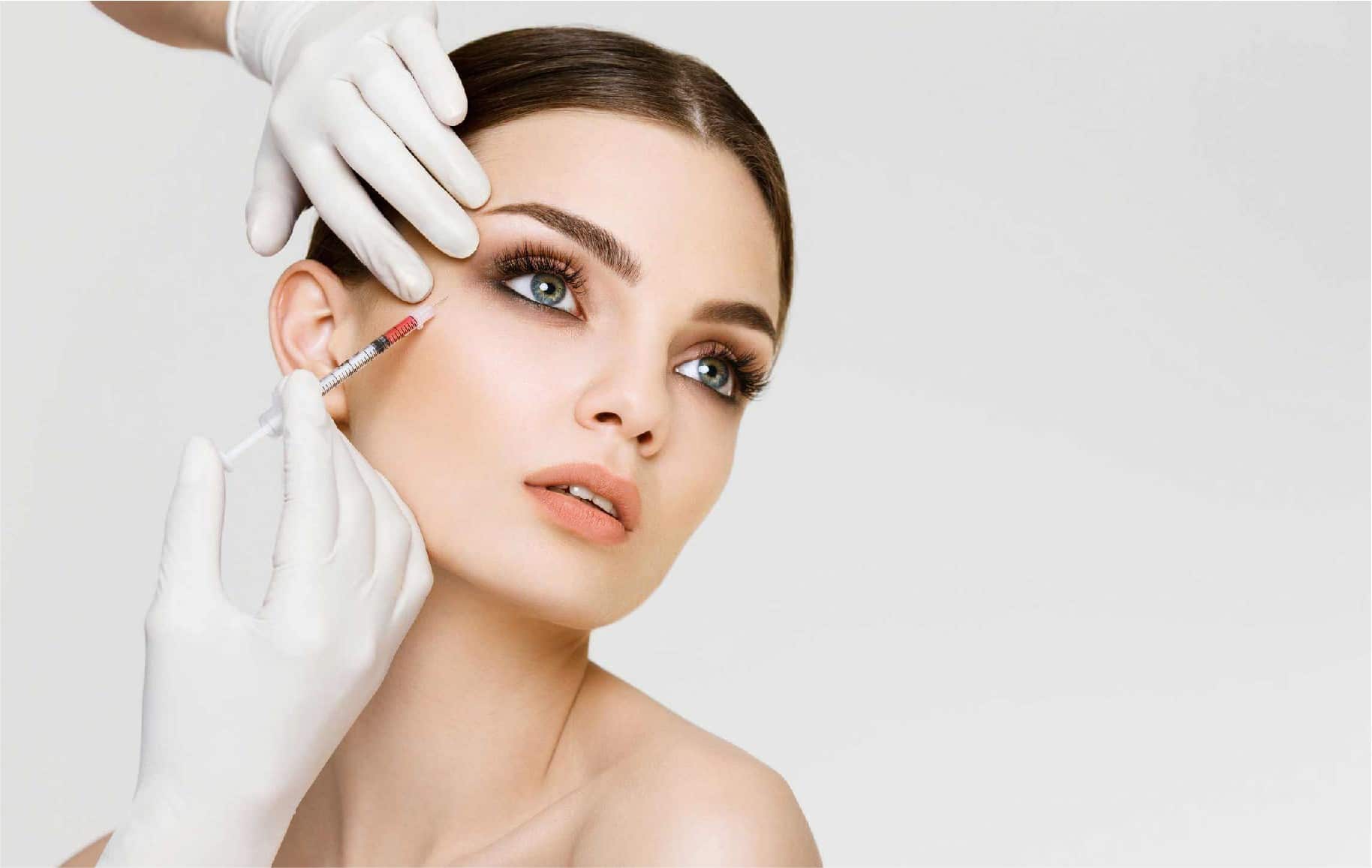
Both treatments are injected into the skin rather than beneath it, both improve skin quality without changing your face shape, and both build gradually over weeks. The difference is mechanism. Skin boosters are hyaluronic acid, which holds water within the skin and prompts collagen. Rejuran is polynucleotides — purified salmon-derived DNA fragments that signal the skin's own repair. Neither is a better treatment; they answer different complaints.
This comparison is written to be losable on either side. There are cases each one genuinely wins, and a case where the honest answer is neither.
What is the actual difference between the two?
One supplies hydration; the other sends a repair signal. A skin booster places hyaluronic acid — a substance your skin already produces — inside the dermis, where it holds a very large amount of water relative to its weight and raises moisture at a depth no topical serum reaches. The injection process itself also prompts a collagen response, so elasticity improves over the following weeks alongside the hydration.
Polynucleotides do not supply hydration directly. The DNA fragments act as a signal that prompts the skin's own repair and regeneration processes, so the change is produced by your skin rather than by a product sitting in it. Hydration, elasticity and fine lines improve as that response builds.
That is not a marketing distinction. It is why the two suit different people.
How do they compare row by row?
| Salmon sperm facial (Rejuran, PDRN) | Skin boosters | |
|---|---|---|
| What is injected | Polynucleotides — purified DNA fragments derived from salmon | Hyaluronic acid, a substance the skin already produces |
| How it works | Signals the skin's own repair and regeneration | Holds water within the skin, and prompts collagen |
| Delivery | Micro-injections with fine needles, after numbing cream | Fine needles or a cannula, into the skin rather than beneath it |
| Numbing | Numbing cream applied and left to work | Topical anaesthetic applied first if needed |
| Course | Typically 2–4 sessions, 2–4 weeks apart | Set at consultation; top-up sessions sustain the effect |
| How long it lasts | Not stated in advance — reviewed once your skin has responded | Long-lasting rather than permanent, with maintenance |
| Results appear | Gradually, over the weeks after treatment | Gradually, over the weeks after treatment |
| Downtime | Bumps and redness, usually settling in 24–48 hours | Redness, small bumps and occasional bruising, settling within days |
| Changes face shape | No | No |
| Consultation | ₹500, waived off against treatment | ₹500, waived off against treatment |
Which one suits dehydrated skin?
Skin boosters, on the plain reading of what each does. If the complaint is skin that looks and feels dehydrated however much water you drink or serum you apply, hyaluronic acid addresses that directly — it is the mechanism doing the job rather than a side effect of one. Boosters are also documented for use across the face, neck and hands, and can be delivered by cannula as well as by needle, which gives the doctor more options for how an area is approached.
The maintenance picture is clearer too. Boosters are described as long-lasting rather than permanent, with top-up sessions recommended to sustain the effect — so you can have a realistic conversation about the ongoing commitment before you start.
Which one suits thin, crepey under-eye skin?
Both are used there, and this is where the choice gets genuinely close. The booster page names under-eye crepiness among the areas where softening fine lines is most noticeable. The polynucleotide page names the delicate under-eye area as one of the regions the treatment is most often chosen for, because the aim is skin quality rather than added volume in a place where volume easily looks wrong.
If the concern reads to you as dryness — makeup clinging, skin feeling tight — that leans towards a booster. If it reads as the quality and resilience of the skin itself rather than its water content, that leans towards polynucleotides. Neither leaning is a diagnosis, and an examination will do a better job of sorting it than a paragraph can.
Which one suits overall dullness and texture?
Polynucleotides have the more direct claim on repair, texture and elasticity as a package, because prompting the skin's own regeneration is the whole mechanism rather than a secondary effect. It is also a single active rather than a cocktail, which some people prefer when they want to know exactly what has gone in.
Rejuran comes in a few formulations aimed at different areas of concern, and which one fits you is confirmed by your doctor at the consultation rather than defaulted to for everybody. That is worth asking about directly.
How do the safety considerations differ?
Mostly they overlap, with one real difference. Both carry the expected injection-point effects: redness, small raised bumps, possible bruising, and short-lived tenderness. Both rule treatment out with active skin infection or open wounds in the area, a known allergy to the product, and during pregnancy or breastfeeding. Boosters are additionally ruled out where there is skin cancer or melanoma in the area.
The difference that matters: polynucleotides are derived from salmon, so a fish allergy must be declared and is screened for specifically. If you have one, that is a genuine point in the boosters' favour, and it is exactly the sort of thing the pre-treatment screening exists to catch before anything touches your skin.
How settled is the evidence for each?
This is the one place the two pages do not speak with the same confidence, and it is fair to say so. The polynucleotide treatment carries an explicit caveat: it is newer, the evidence base is still building, and while early studies and clinical experience are encouraging for hydration, elasticity and fine lines, long-term comparative data is more limited than for older treatments. The booster page carries no equivalent caveat.
That is not a verdict — it is an asymmetry you should factor in yourself, particularly if you are the sort of person who would rather wait for firmer ground.
When is neither the right answer?
When the concern is volume loss, sagging or deep folds. Neither treatment adds volume or changes contour; both are placed into the skin to improve its quality, and your features stay exactly as they are. If shape is the real complaint, a different plan serves you better and your doctor should say so rather than sell you a course that cannot address it.
Dullness with an underlying cause that is not addressed by an injectable at all is the other case, and it is a reason to arrive with the complaint rather than with the treatment already chosen.
Can you have both, or one after the other?
That is a question for the doctor examining you, not one to settle from an article. Sequencing and combining injectables is a clinical decision that depends on your skin, your history and what the first course actually achieved — and neither treatment page commits to an answer in advance, which is the honest position rather than an omission.
So how does the choice actually get made?
By examination. The deciding question is whether your main issue is dryness or overall skin quality and repair, and that is settled at the consultation. Both treatments are administered by a doctor, both involve decisions about depth, dose and placement made for the person in front of them, and both begin with screening your allergies, medications and medical history.
You can read the full pages for Rejuran polynucleotide therapy and skin boosters, or book an appointment at the Indiranagar or Bellandur clinic. The consultation is ₹500, waived off against treatment, and going in with the concern rather than the product name tends to produce a better answer.