
Salmon Sperm Facial After Fifty: Realistic Goals, and When It Is the Wrong Tool
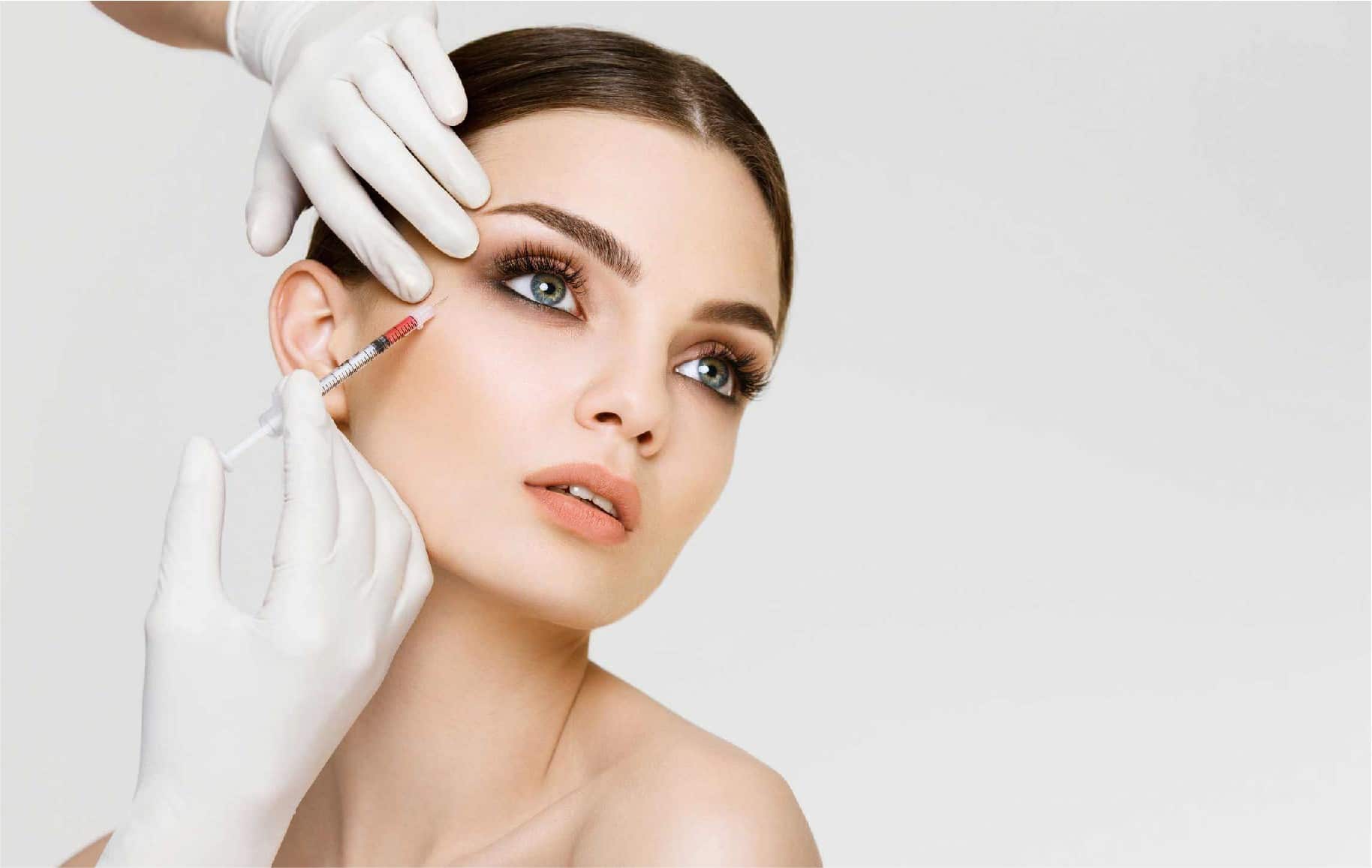
Rejuran is a polynucleotide treatment that improves skin quality — hydration, elasticity, texture and fine lines — by signalling the skin's own repair. It adds no volume whatsoever. After fifty that single fact decides most of the question: if what bothers you is skin quality, it is worth discussing; if it is volume loss, sagging or deep folds, this is the wrong tool and a doctor should say so.
Setting that boundary first is more useful than a list of benefits, because the commonest disappointment with this treatment comes from expecting it to do a job it was never designed for.
Is this still worth considering after fifty?
Yes, where the concern is the quality of the skin itself. Nothing about the treatment is restricted by age, and the concerns it addresses — skin that looks dull and tired however much you sleep, under-eye skin that looks thin and crepey with concealer settling into it, fine lines and rough texture — are not concerns that expire.
What this article cannot do is tell you which of those applies to you, or what your skin is doing. That assessment is the first step of the treatment itself: the doctor examines your skin, confirms whether polynucleotides suit the concern, and screens for the allergies and conditions that would rule injecting out.
What can it realistically improve?
Hydration, elasticity, texture and fine lines, building gradually over the weeks after each session as the repair response develops. Patients typically describe better hydration, more bounce and a healthier surface — a gradual build across a course rather than an overnight change.
The under-eye area is one of the places polynucleotides are most often chosen for, precisely because the aim there is skin quality rather than added volume in a region where volume easily looks wrong. If thin, crepey under-eye skin is what is bothering you, that is a conversation worth having.
When is it the wrong tool?
When the main concern is volume loss, sagging or deep folds. The core clinical position on this treatment is unambiguous: nothing is placed to plump, lift or contour, your features stay exactly as they are, and if volume or laxity is the real complaint then a different treatment plan would serve you better. Your doctor will tell you that at the consultation rather than sell you a course that cannot address what you came in about.
This is worth reading twice if you have arrived here from social media, where skin-quality treatments and shape-changing treatments are frequently discussed as though they were interchangeable. They are not, and choosing between them correctly matters more than choosing the more talked-about one.
Is the treatment given any differently at this age?
There is no separate over-fifty protocol, and it would be wrong to suggest one exists. The course is the same as it is for anyone: typically two to four sessions spaced two to four weeks apart, reviewed each visit.
What is genuinely individual is clinical judgement within that. Injection depth, dose and placement are clinical decisions the doctor makes for the person in front of them, after examining the skin — not settings selected from an age bracket. If you want to know how those decisions would apply to you, the consultation is where that is answered, and it is a reasonable thing to ask outright.
What about blood thinners and other medication?
Tell your doctor about all of it, and about blood-thinning medication in particular. Bruising is possible at any injection point and is more likely if you take blood thinners; it typically clears within a few days. This is one of the more relevant parts of the conversation for anyone on long-term medication, and it is exactly the kind of thing the pre-treatment screening exists to pick up.
The same applies to your full allergy and medical history. The product is derived from salmon, so any fish allergy must be declared — the consultation screens for this specifically, before anything touches your skin.
How long before you see anything?
Weeks, not days, and there is no faster route. Results build gradually over the weeks after each session, because the effect comes from your skin's own response rather than from a product occupying space in it. Injection-point redness settles long before any of that becomes visible.
How long the effect holds is not something this page will put a number on. What the clinic can tell you is what it has seen in your skin at your review appointments, and how it recommends you follow the course — which is a conversation to have once your first course is done and there is something real to judge, rather than a promise made in advance.
What does recovery look like?
Small raised bumps and redness where the needle entered are expected, and usually settle within 24 to 48 hours as the product disperses. Tenderness or mild swelling is common in the first day or two, especially around the eyes, and settles on its own. Bruising is possible, as above.
Most people describe brief stinging at each injection point rather than sustained pain, and numbing cream is applied and left to work beforehand. The under-eye area is more sensitive than the cheeks, which is part of why the numbing time is not skipped.
When should you ring the clinic instead of waiting?
Ring if pain increases rather than settles, if the area feels hot, if redness spreads rather than fades, if bumps or swelling have not resolved after the expected day or two, if you develop a fever, or if anything happens that you were not told to expect. Please do not attempt to judge for yourself what a reaction means — that assessment needs someone who can see your skin, and delaying while you decide is the part that causes problems.
Contact the clinic where you were treated, on the number you booked through, and describe what you are seeing; you will be advised whether to come in. If anything is severe or worsening quickly, seek urgent medical care the same day rather than waiting for your scheduled review.
What would rule treatment out?
Treatment is deferred or declined with a known fish or product allergy, active skin infection or open wounds in the treatment area, and certain skin conditions. And, as above, if volume loss, sagging or deep folds are your main concern, this is not the right treatment for it.
If the underlying issue turns out to be dryness rather than repair, skin boosters and Profhilo are hyaluronic acid treatments that hydrate the skin directly and may be the more appropriate answer. Which mechanism suits your skin is settled by examination, not by preference.
One caveat worth stating plainly
This is a newer treatment and the evidence base is still building. Early studies and clinical experience are encouraging for hydration, elasticity and fine lines, but long-term comparative data is more limited than for longer-established treatments. If you are weighing it against something with a longer track record, that is a fair point to raise at the consultation, and you should expect a straight answer.
What is the sensible first step?
Read the full Rejuran treatment page, or book an appointment at the Indiranagar or Bellandur clinic. The consultation is ₹500, waived off against treatment — and it is where a doctor tells you whether this treatment fits what you actually want changed.