
Volite: The Injectable That Targets Skin Quality, Not Volume
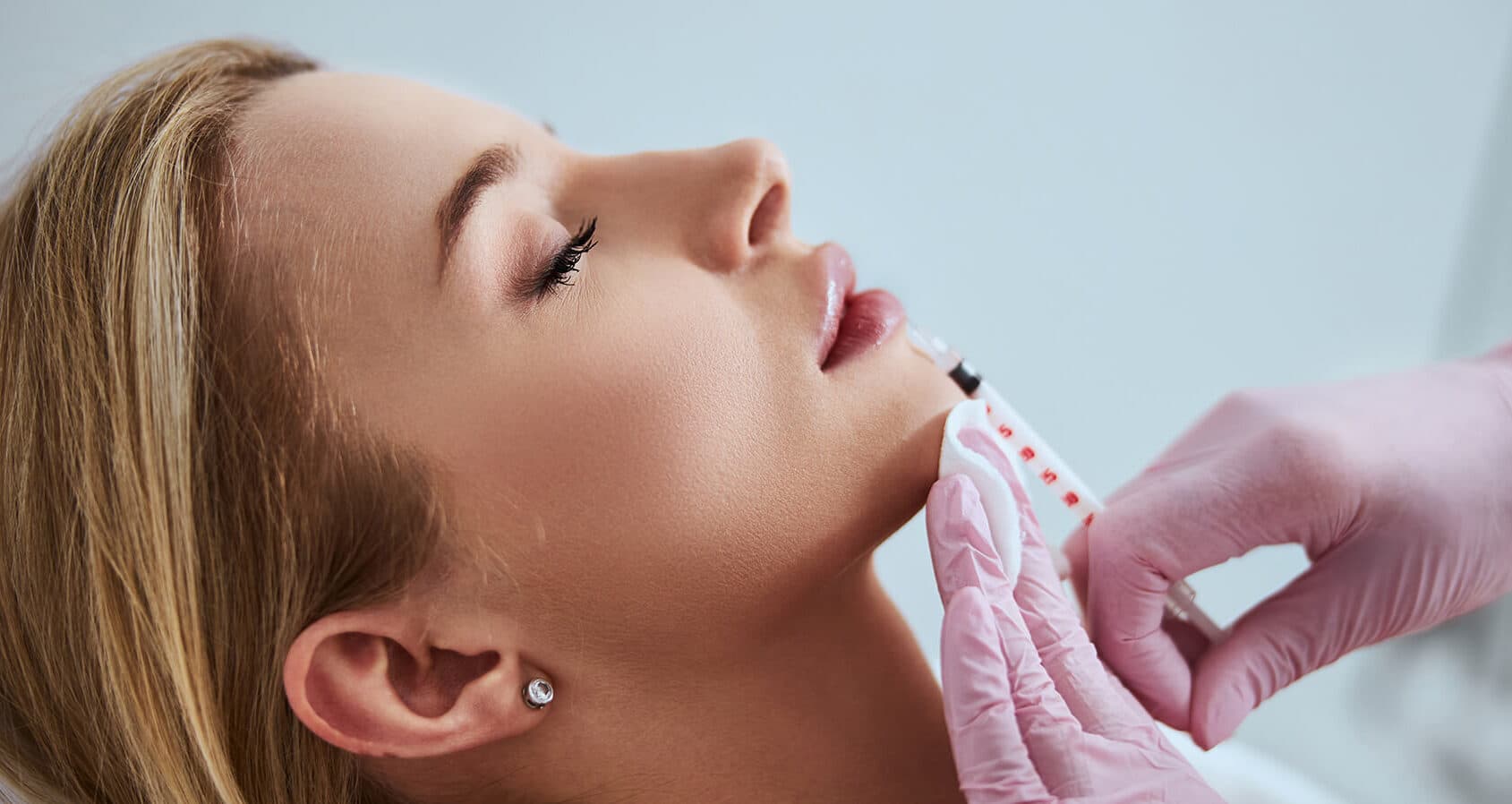
Volite is a hyaluronic acid injectable that is not a filler in the usual sense: it is delivered as many small micro-injections spread across an area, and it adds no contour and no volume. What it works on is hydration, smoothness and fine surface lines — so the change patients describe is skin that looks brighter and smoother, never fuller.
That is the whole distinction, and it is the one most people arrive without. Injectables get filed mentally into a single category, so a treatment that deliberately does not change your shape sounds like a weaker version of one that does. Volite is not a lesser filler; it is aimed at a different problem, and if your complaint is dryness and fine creasing rather than lost definition, it is the one aimed at you.
How is this different from a dermal filler?
Placement and purpose. A filler is placed at specific points to add volume or contour. Volite is spread across an area as many micro-injections to improve the hydration and texture of the skin itself.
So the two are judged by different outcomes. A filler is assessed by shape — is there more definition here, does the profile look right. Volite is assessed by surface quality — does the skin hold water, does it crease less, does it catch the light differently. Someone who wants a more defined cheek is describing a filler. Someone whose skin has gone dull and finely lined while the underlying structure is fine is describing this.
It is worth being equally clear about what it is not doing at the other end. Treatments that work on muscle movement address lines caused by expression; Volite works on the skin's own hydration and quality. Different mechanism, different target. A consultation that starts by asking what is actually bothering you — rather than which treatment you read about — is what sorts this out.
What does better-hydrated skin actually look like?
Less creased, and brighter. The mechanism is simple: hyaluronic acid placed within the skin holds water where a topical moisturiser cannot reach, which is why the effect lasts months rather than hours.
Two things follow from that. The first is fine lines: better-hydrated skin creases less, which is exactly why the fine lines around the eyes are the most commonly treated area. The second is light. Patients typically describe skin that looks brighter and smoother rather than fuller, because what has changed is surface quality rather than shape — and surface quality is what decides how evenly skin reflects light.
That second point is worth naming plainly, because "glow" is a marketing word for something quite concrete. Skin that is evenly hydrated and smooth reflects light evenly. There is no separate glow ingredient; it is texture.
Where can it be used, and does skin type matter?
Beyond the face — the neck, the décolletage and the backs of the hands all show dehydration early, and all respond to the same approach. These are also the areas people leave untreated for years while investing in facial skin, which is how a visible mismatch develops.
On skin type: it suits dry, oily and combination skin, and the reason is a distinction worth carrying away. Oiliness and dehydration are different things, and oily skin can be dehydrated too. Plenty of patients rule themselves out of hydration treatments because their skin gets shiny by afternoon, which is a statement about oil production and not about water content in the skin.
When will I see it, and how long does it last?
The effect typically peaks around 10 to 14 days after treatment, with improvement continuing over the first month. Results commonly last in the region of six to nine months, and most patients have a single treatment then repeat it roughly every six to nine months to maintain it. Your doctor confirms the interval based on how your skin actually responded.
The practical consequence of that timeline is worth planning around: this is not a treatment to have two days before an event. What you see at 48 hours is settling from the injections, not the result. If a date is driving the decision, aim for two to three weeks of clearance.
On the appointment itself — anaesthetic cream is applied for 30 to 45 minutes beforehand. Slight redness, small bumps and mild swelling are normal on the day and the day after; most patients are back to normal quickly, avoiding strenuous activity for 72 hours.
Where it sits alongside the other skin-quality treatments
Volite is one of a small group of injectables aimed at skin quality rather than shape, and Skin Boosters and Profhilo Treatment are its neighbours. They are different approaches to a broadly similar goal, they differ in how the product is placed and how it behaves once it is there, and which suits you depends on your skin and your priorities. The treatment pages set out what each involves; the assessment decides. Nobody should be choosing between them from a blog post, including this one.
Why hydration is the Bangalore complaint
Two local realities put this treatment closer to the centre of what patients here actually want than an outsider would guess.
The first is that this city dries skin out in ways people underestimate. Between air-conditioned offices, long commutes with the vents running and a genuinely dry stretch either side of the monsoon, skin that behaved well in one season can look tired and finely lined in the next. A treatment whose first job is holding water within the skin is aimed squarely at that.
The second is how dullness reads on Indian skin tones. Dehydration and traffic dust tend to show as a loss of evenness and glow rather than as redness, so the complaint people bring is "my skin looks tired" rather than anything that names a line or a wrinkle. That is a texture-and-hydration description, and it is worth saying out loud at the consultation in those words.
And the logistics are undemanding: one appointment, numbing beforehand, back to normal quickly, and a repeat interval measured in months rather than weeks. We see patients at both our Indiranagar and Bellandur clinics, so pick whichever is easier to reach — though with a six-to-nine-month interval, this is one treatment where distance matters less than usual.
The useful next step
If what bothers you is dryness, dullness and fine lines rather than lost definition, this is a conversation worth having with someone looking at your skin rather than with a search engine.
Book an appointment at The Aesthetic Edge — Indiranagar or Bellandur — for an assessment, an honest view of whether skin quality or shape is the real issue, and a realistic timeline for what you would see and when.