
PRP Vampire Treatment vs Rejuran (Polynucleotide) Skin Treatment: How to Choose
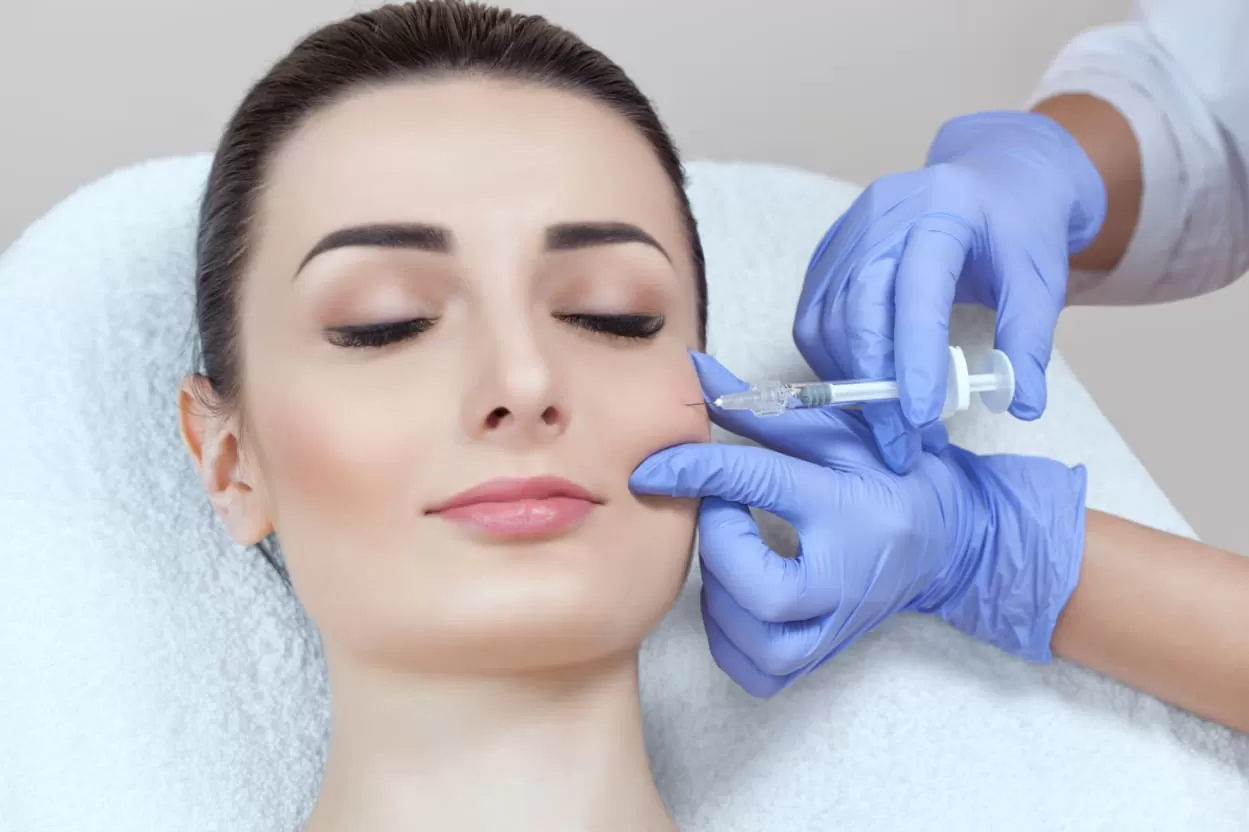
The short answer is that these two treatments share a goal and almost nothing else. The PRP vampire treatment concentrates the platelets from your own blood and returns them to your skin to prompt collagen production, which makes it the stronger candidate where acne scarring and slackness are the complaint. The Rejuran polynucleotide treatment — the one the internet calls a salmon sperm facial — places purified DNA fragments into the skin to signal its own repair processes, and it is most often chosen for thin, crepey skin and overall dullness. Neither adds volume, and neither changes your face shape.
Same goal, two different mechanisms — why does that matter?
It matters because the mechanism decides what the treatment can realistically reach. PRP is autologous: a small blood sample is drawn, spun in a centrifuge to concentrate the platelets, and that platelet-rich plasma — dense in growth factors — is delivered back into your skin. Because the material is your own, there is no foreign product in the syringe and nothing for your body to react against. Those concentrated growth factors drive collagen remodelling in the dermis, which is the layer where acne scars actually sit and where no cream can reach.
Rejuran works from the other direction. What is injected is polynucleotides — PDRN, purified fragments of DNA derived from salmon, processed to remove proteins and other biological material. Nothing about it involves sperm; the name is marketing shorthand that stuck. Rather than supplying a building block, the fragments act as a signal that prompts the skin's own repair and regeneration response, and hydration, elasticity and fine lines improve gradually over the following weeks.
So one concentrates something you already produce; the other introduces a purified material that tells your skin to get on with repairing itself. Both leave your features exactly as they are.
Which one is the better fit for acne scarring?
For softening acne scarring, PRP is the treatment our page is most specific about. The concentrated growth factors drive collagen remodelling at dermal depth, and that is precisely the mechanism scar texture responds to. Patients also report improved firmness and elasticity as new collagen builds across the weeks following each session — less slack skin, without anything being added to plump it.
That does not make it the automatic answer for everyone with scarring. The depth and type of scarring differ enormously between patients, and a doctor assessing your skin in person may conclude that a different approach, or a combination, suits what you have. But if you walked into the Bellandur clinic with post-acne texture as your single biggest concern, PRP is where the conversation would usually start.
My concern is the thin skin under my eyes — which one does that point to?
That points towards the polynucleotide treatment. Thin, crepey under-eye skin is one of the areas Rejuran is most often chosen for, precisely because the aim is skin quality rather than added volume — and the under-eye is a place where volume easily looks wrong. If concealer settles into the fine lines there and nothing in your routine has shifted it, that is the classic presentation.
Rejuran also comes in a few different formulations aimed at different areas of concern, including skin, under-eye and scalp. Which one fits is a clinical decision your doctor confirms at the consultation rather than defaulting to one product for every patient and every area.
What is the appointment itself like for each?
Both are short, in-clinic, doctor-administered sessions with numbing first, but the preparation differs.
For PRP, a topical anaesthetic goes on about 45 minutes beforehand. Blood is drawn, spun and re-injected under sterile conditions by a doctor — that sterile technique is what keeps infection risk low in a treatment that necessarily breaks the skin. Afterwards, expect redness and mild swelling settling over a day or two.
For Rejuran, numbing cream is applied and the solution is placed as a series of small, shallow injections across the treatment area. Most patients describe brief stinging at each point rather than sustained pain, and a session usually runs well under an hour including the numbing time. Small raised bumps and redness at the injection points are normal and generally settle within 24 to 48 hours; occasional bruising takes a few days.
One screening difference is worth raising yourself. Because the polynucleotide product is derived from salmon, tell your doctor about any fish allergy, along with the rest of your allergy and medical history. Our consultation screens for that specifically, as well as for active skin infection, pregnancy and breastfeeding.
How long does each course run, and how long does the result hold?
A full PRP course is usually around five to six sessions, spaced to let collagen remodelling complete in between, with the effect of a completed course typically holding for around a year and maintenance sessions after that to sustain it. Skin often looks fresher within the first week or two, but the real change is cumulative.
The polynucleotide course is shorter — typically two to four sessions, spaced two to four weeks apart, with results building gradually over the weeks afterwards rather than appearing overnight. Our treatment page deliberately does not publish a fixed duration for how long that result holds, and we would rather leave that blank than guess at it: your doctor reviews progress at each visit and sets the maintenance interval from what your skin is actually doing.
If a shorter commitment matters to you right now, that difference in course length is a genuine practical factor, not a minor one.
Does living in Bangalore change the choice?
A little, mostly around timing rather than which treatment. Both leave visible marks for a day or two — redness and mild swelling for PRP, injection-point bumps for Rejuran — so patients generally book late in the week and let the weekend absorb the settling. Both also ask you to avoid sun for the first day, which is easier said than done on an Outer Ring Road commute; a cap and a genuine commitment to daily sunscreen matter more here than the advice sheet makes it sound.
The dry pre-monsoon months and the dust and particulate load of a long daily commute tend to push dullness, dehydration and rough texture up patients' priority lists — and those are complaints that sit closer to the polynucleotide side of the comparison. Post-acne scarring, by contrast, does not come and go with the season, and plenty of patients at both the Bellandur and Indiranagar clinics have been living with it for years before they ask about it.
Is it ever sensible to use both?
It can be, but not in the same sitting and not as a default. These are different mechanisms addressing different complaints, so sequencing one after the other is a clinical decision based on what your skin needs first — and that is exactly the kind of plan a consultation exists to make, rather than something to assemble from a comparison article.
What a comparison like this one can honestly do is narrow the question you bring in. Scarring, firmness and elasticity point one way; thin skin, dullness and fine lines point the other. A doctor examines your skin, confirms which mechanism actually suits the concern, screens the contraindications and then tells you how many sessions your skin realistically needs.
If you would like that assessment, you can book an appointment at either our Bellandur or Indiranagar clinic and bring your questions with you.