
Profhilo Treatment vs Rejuran (Polynucleotide) Skin Treatment — Salmon Sperm Facial: How to Choose
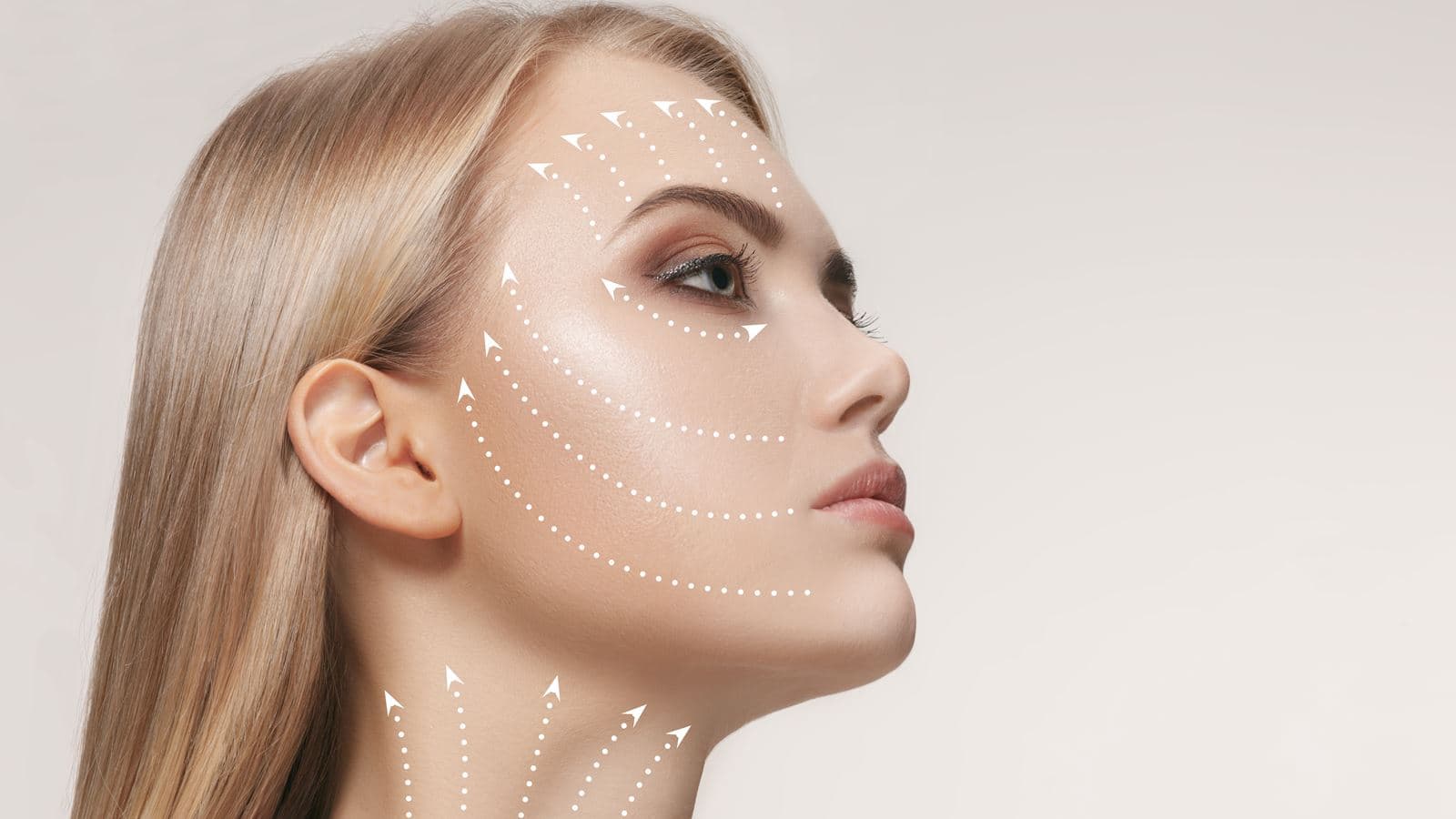
They are not two versions of the same treatment. Profhilo is hyaluronic acid that spreads through the skin and holds water there, prompting collagen and elastin. Rejuran is polynucleotides — purified DNA fragments derived from salmon — micro-injected to signal your skin's own repair. Neither adds volume or changes your face shape. Which one fits depends on whether dryness or repair is your real problem.
That is the whole axis of this comparison, and it is worth holding onto, because almost everything else about the two treatments looks similar from the outside: a numbing cream, a short appointment, a few small bumps, a result that arrives over weeks rather than on the day. The difference that matters is invisible — it is what the material in the syringe actually does once it is in your skin.
Is the "salmon sperm facial" really salmon sperm?
No. The name is marketing shorthand that stuck, and it has travelled a lot further than the explanation. What is injected in a polynucleotide treatment is PDRN: purified fragments of DNA derived from salmon, processed to remove proteins and other biological material. Nothing about the treatment involves sperm, and the substance in the syringe is a highly purified pharmaceutical-grade product. At our clinics this is delivered using Rejuran, the Korean-developed PDRN product line.
Worth saying the nickname out loud rather than tiptoeing around it, because it is what people search for and what they are nervous about. It is also a reason to be careful about where you have it done: a treatment that trends on social media before it is widely understood attracts places that will do it without a doctor deciding whether it suits you.
What is actually in each syringe?
Profhilo is a high-concentration hyaluronic acid, injected at a small number of set points and designed to diffuse outward through the tissue from each one. It is described as bio-remodelling rather than filling, and the distinction is real: because it spreads instead of staying where it is placed, it improves an area's quality without creating contour or fullness at the injection sites.
Polynucleotides are not hyaluronic acid at all. The DNA fragments act as a signal that prompts the skin's own repair and regeneration processes, so the change comes from your skin rather than from a product sitting in it. They add no volume whatsoever.
Hyaluronic acid hydrates by holding water within the skin. Polynucleotides work through a different mechanism entirely. That is why "which is better" is the wrong question and "which mechanism matches my concern" is the right one.
How do they compare, point by point?
| Profhilo | Rejuran / polynucleotides | |
|---|---|---|
| Material | High-concentration hyaluronic acid | PDRN — purified DNA fragments derived from salmon |
| How it works | Draws and holds water in the skin; prompts collagen and elastin | Signals the skin's own repair and regeneration response |
| Delivery | Injected at set points; diffuses outward through the tissue | Small, shallow micro-injections across the treatment area |
| Course | Commonly two sessions about four weeks apart, then maintenance | Typically 2–4 sessions, spaced 2–4 weeks apart |
| Session length | 30 to 45 minutes, plus 30 to 45 minutes of numbing | Short — usually well under an hour including numbing |
| When results show | Over a few weeks, as collagen and elastin respond | Gradually over the weeks after each session |
| How long it lasts | Around six months before a follow-up treatment | Not stated on our treatment page — ask at consultation |
| Areas | Face, neck, décolletage and hands | Face, with the under-eye area a common request |
| Downtime | Bumps usually flatten within a day; redness a few days | Bumps and redness usually settle in 24–48 hours |
| Adds volume? | No | No |
Two rows there are deliberately uneven, and it would be dishonest to smooth them over. Profhilo's expected duration is documented — around six months before a follow-up. Our polynucleotide page does not state a duration, so nobody should quote you one from a blog post. And on evidence: the polynucleotide page says plainly that this is a newer treatment whose evidence base is still building, with early studies and clinical experience encouraging for hydration, elasticity and fine lines but long-term comparative data more limited than for older treatments. That is a genuine consideration, not a knock — but you should know it before you choose.
When does Profhilo genuinely make more sense?
When the complaint is about quality and bounce across an area, and particularly when dryness is central to it. The patients it is written for say things like: my skin has lost its bounce and moisturiser stopped making a difference; my skin looks dull and a bit crepey, especially on my neck; I want to look better rested without changing the shape of my face.
Two practical points give it the edge in specific situations. It is used on the neck, décolletage and hands — areas that age visibly and are often left untreated. And it works from a small number of injection points rather than a grid across the whole face, which some patients simply prefer.
When does the polynucleotide treatment make more sense?
When the concern is repair and texture rather than hydration as such — dullness that sleep and serums do not shift, fine lines, rough texture — and especially around the eyes. Thin, crepey under-eye skin is one of the areas polynucleotides are most often chosen for, precisely because the aim is skin quality in a place where added volume easily looks wrong.
It also appeals to people who like that the improvement is their own skin responding rather than a substance doing the work directly. Whether that matters to you is a preference, and a legitimate one.
When is neither of them the right treatment?
If your main concern is volume loss, sagging or deep folds, both of these are the wrong tool. Profhilo improves skin quality and firmness but does not add contour; polynucleotides add no volume at all. A filler stays where it is placed to create volume — that is a different treatment plan, and the honest answer at consultation is to say so rather than sell you a course that cannot address what is bothering you.
What do the sessions feel like?
Both start with numbing cream. Profhilo is a small number of injection points that most patients describe as brief and tolerable. Polynucleotides are a series of shallow injections and most patients describe brief stinging at each point rather than sustained pain — the under-eye area is more sensitive than the cheeks, which is part of why the numbing time is not skipped.
Afterwards, both leave small raised bumps at the injection points. With Profhilo these are expected and part of how it works, since the product needs a short time to diffuse; they usually flatten within a day. With polynucleotides they settle in roughly 24 to 48 hours. Bruising is possible at any injection point with either, and more likely if you take blood-thinning medication.
What should I tell my doctor before either one?
Both are declined or deferred during pregnancy and breastfeeding, and with an active infection in the area. Profhilo is not for anyone with known sensitivity to hyaluronic acid. Polynucleotides are derived from salmon, so tell your doctor about any fish allergy along with your other allergies and medical history — the consultation screens for that specifically.
After either treatment, expected effects are bumps, redness and mild tenderness that settle on their own. Increasing pain, heat, spreading redness or any unexpected reaction should be reported to the clinic promptly rather than waited out until your next visit.
What do they cost, and how do I actually decide?
Neither treatment publishes a starting price on our site, so the figure is given at consultation once the areas and the likely number of sessions are clear — an under-eye course and a full face-and-neck plan are not the same piece of work. The consultation itself is ₹500, waived against treatment.
The decision is genuinely a clinical one rather than a shopping one. A doctor looks at your skin and works out whether the problem in front of them is hydration, or repair, or something neither treatment addresses — and says so. If you would rather have that conversation than pick from a menu, book an appointment at either of our Bangalore clinics.