
Combining Volite and Microneedling with Dermapen: Order, Spacing and Why
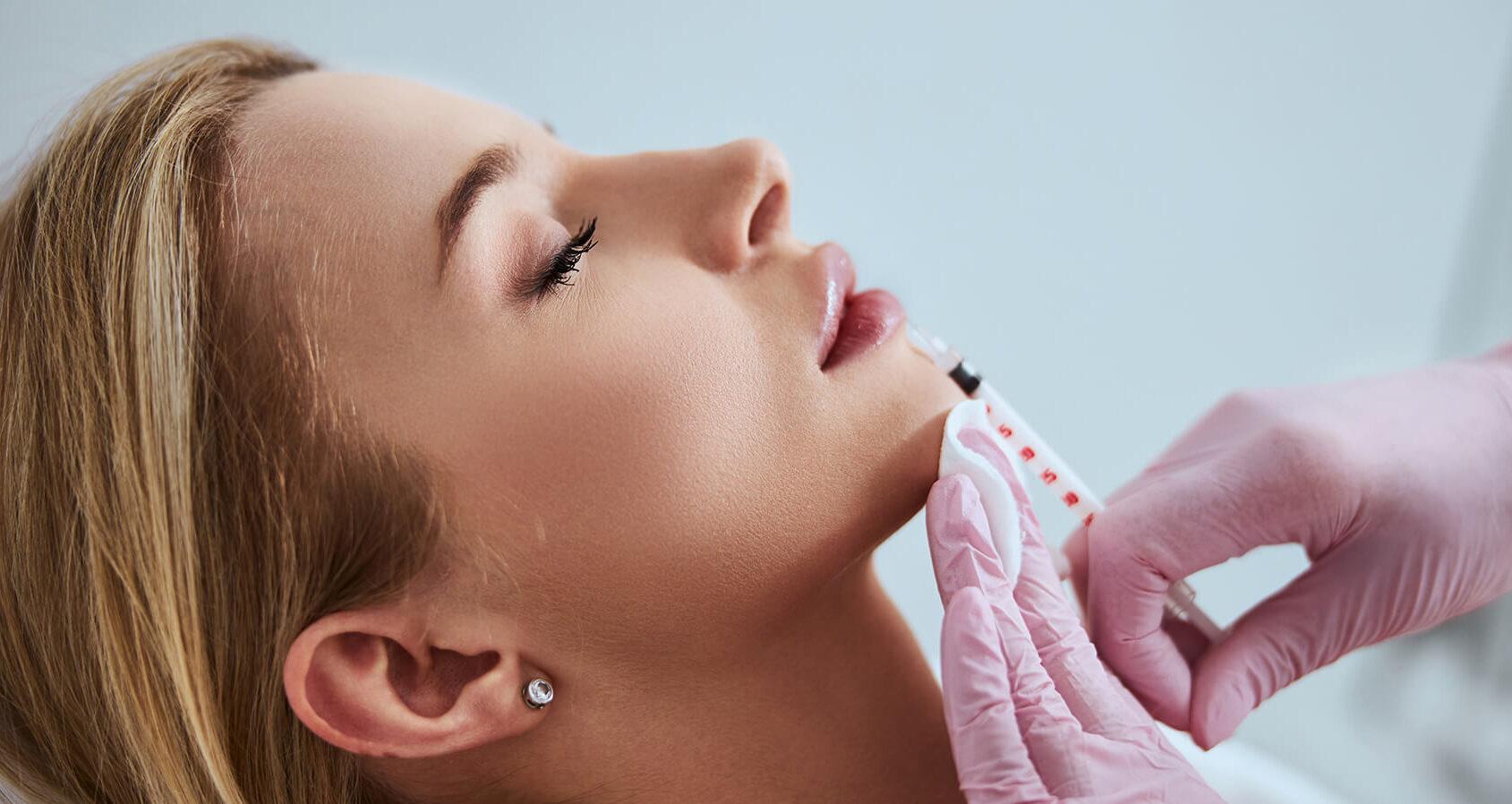
These two do different jobs and run on completely different clocks, which is what makes the sequencing question worth asking. Volite places hyaluronic acid into the skin as a grid of micro-injections and the result commonly holds six to nine months. Microneedling with Dermapen is a resurfacing course, typically six to eight sessions. So a microneedling course runs inside a single Volite cycle rather than alternating with it — and the practical rules are that Volite asks for about fifteen days clear of facials and steam, and microneedling asks you to avoid other skin treatments until your doctor clears them.
Why are these two not interchangeable?
Because one adds something to the skin and the other remodels what is already there, and patients routinely arrive thinking they are two versions of the same idea.
Volite is hydration placed within the skin, where a topical moisturiser cannot reach — which is why its effect lasts months rather than hours. Better-hydrated skin creases less, so fine surface lines soften, and the skin looks brighter and smoother rather than fuller. It changes surface quality, not shape.
Microneedling creates controlled micro-channels at a depth set for your concern, and it is aimed at acne scars, open pores, uneven texture, stretch marks and fine lines. It is a remodelling treatment delivered over a course.
Where they genuinely overlap is fine lines, and that is the one row where a doctor has to decide which tool is answering your particular complaint. Dryness that creases points towards hydration; texture and scarring point towards resurfacing.
One lasts months, the other runs as a course — what does that do to the plan?
It inverts the usual sequencing question. With most combinations you are alternating two courses. Here you have a single long-acting treatment and a course that has to fit around it.
Volite's effect peaks at around 10 to 14 days and keeps improving over the first month, then holds commonly six to nine months, with routine treatments roughly every six to nine months. Microneedling is typically six to eight sessions.
So the plan is usually built the other way round from what people expect: the Volite dates are the fixed points, and the microneedling sessions are scheduled in the long stretch between them. That is a scheduling consequence of how long each one lasts, not a statement about which matters more.
How long does Volite need before anything else touches the skin?
About a fortnight, on its own aftercare: no facials or steam for around 15 days. Alongside that, redness or small bumps at the injection points are normal for 24 to 48 hours, you do not wash the area or apply moisturiser or makeup on it for 24 hours, you avoid massaging it for 24 to 48 hours, and the gym waits 72 hours.
Read that fifteen-day window next to the 10-to-14-day results peak and the shape becomes obvious without anyone inventing a number: the period in which Volite is still arriving is the same period in which the skin is meant to be left alone. Putting a resurfacing session into that window would be interrupting a result you have not seen yet.
Our treatment pages do not publish a Volite-to-microneedling interval, and we would rather say so than guess one. Your doctor sets it.
What does microneedling ask about other treatments?
Two things, and both are explicit. Afterwards, you avoid other skin treatments until your doctor clears them. Beforehand, acids and retinol stop for two weeks, and anything following a laser procedure waits six to twelve weeks.
That last figure is worth noticing even though no laser is involved here, because it tells you how this treatment thinks about spacing: in weeks, not days. A clinic that is relaxed about what went on your skin the week before a microneedling session is not following the same protocol.
Microneedling's own downtime is short — redness, mild swelling and flaking, usually settling within a day — but short downtime is not the same as no spacing requirement.
Is there a version of this that happens in one visit?
Not sensibly, and the aftercare on both sides is the reason rather than any exotic interaction.
Volite needs the area unwashed and unmoisturised for 24 hours. Microneedling finishes with a calming, moisturising layer and sends you home with moisturiser and antiseptic cream to use. Those two instructions are directly incompatible on the same skin on the same day.
There is also the practical point that both involve numbing time — 30 to 45 minutes for Volite, 15 to 20 for microneedling — so even setting the clinical question aside, you would be stacking two full appointments.
What about the two preparation lists?
They differ, and that is a conversation for the consultation rather than something to assemble from an article. Volite asks that there be no infection, injury or bruising at the treatment site, and that you tell your doctor about allergies, any history of cold sores and any medication you take. Microneedling has its own list, including the two-week stop on acids and retinol, and your doctor confirming the skin is suitable and ruling out active infections or breakouts.
Bring your full medication and skincare list once, to the appointment where the combined plan is drawn up, and let the doctor reconcile the two. Do not change any prescribed medication on your own account for either treatment.
What does a year of this actually look like?
Roughly: one or two Volite treatments, and a microneedling course of six to eight sessions arranged around them, with the fortnight after each Volite left clear.
The useful consequence is that the two are not competing for your diary as much as patients fear. Volite is an appointment you have twice a year at most; microneedling is the thing you are actually turning up for regularly. Knowing that in advance tends to change which one people worry about fitting in.
Does Bangalore change the spacing?
It sharpens two of the instructions rather than altering the plan.
The fifteen days without facials or steam after Volite is the one patients underestimate, because a steam session or a salon facial is exactly what people book when skin feels dull mid-course. Keep that fortnight genuinely clear.
The sun instruction matters more here than the leaflet suggests. Microneedling asks for SPF 50 or higher daily afterwards and protection from the sun in the run-up, and on an Outer Ring Road commute or a two-wheeler through Indiranagar that is real exposure at both ends of the day, every day. Daily sunscreen is not optional on a resurfacing course, and it is the habit that most often decides whether the course delivers what it should.
Getting the plan drawn up
Ask for both at the same consultation, and say which complaint is bothering you most — dryness that creases, or texture and scarring. That answer decides which treatment leads and how much of your year goes to each.
A doctor assesses the skin, confirms both are appropriate, sets the depth for microneedling and the area and grid for Volite, and lays the dates out against each other. You can book an appointment at our Bellandur or Indiranagar clinic and ask for the combined plan specifically.