
Helping Kids Overcome Dental Anxiety: A Parent's Practical Guide
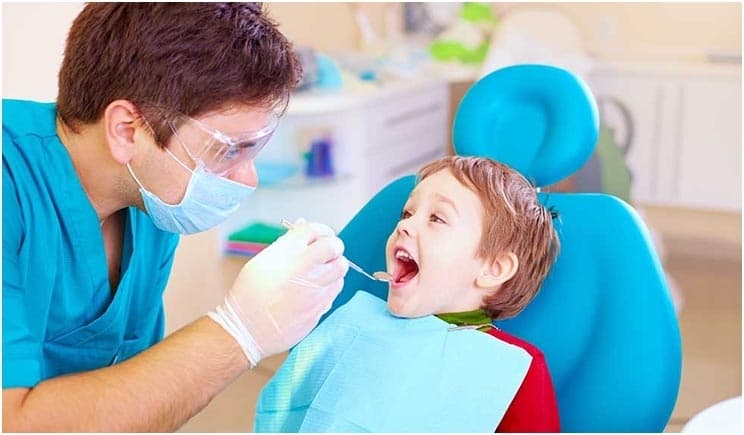
The most important thing to know about children's dental anxiety is that the first few visits decide it. A child whose early appointments are calm and unremarkable becomes an adult who keeps going to the dentist; a child whose first visit is rushed or frightening can spend years avoiding the chair. That is why good children's dentistry treats the clinical work as only half the job — the other half is making the visit boring, in the very particular way a child needs it to be.
This is a parent's guide, not a procedure pitch: how to prepare a first visit so it goes well, what a genuinely child-friendly clinic like our Kids Dentistry practice does differently, and how to tell ordinary nervousness from a fear that needs more careful handling.
When should the first visit happen — and what actually happens at it?
Around the first birthday, or when the first tooth appears — far earlier than most parents expect, and the timing is the anxiety strategy. A one-year-old at a low-key first visit has nothing to fear because nothing much happens: a gentle examination of the mouth, teeth and gums, time for the child to get comfortable, brushing guidance for you, and answers to your questions. It is deliberately uneventful. The child files the dentist under "ordinary places we go", and every later visit builds on that.
Contrast that with the visit many Bangalore families actually make first: a five-year-old, in pain, meeting a dentist for the first time on the worst possible day. Everything about that sequence teaches fear. Starting early — and keeping the usual six-monthly rhythm, adjusted to your child's risk — means problems are caught while they are small, and the child's entire experience of dentistry is routine check-ups rather than rescues. A routine check-up costs a child far less than an emergency one, in every sense of the word.
How do you prepare an anxious child for the appointment?
Mostly by managing yourself, and the script you hand them. A few practical rules that hold up in real waiting rooms:
- Keep your own language neutral. Children borrow their fear vocabulary from adults. "It won't hurt" plants the idea of hurting; "the dentist is going to count your teeth" plants nothing. Avoid retelling your own dental war stories where small ears can hear them.
- Time it well. A tired, hungry child after a full school day and an hour on Bannerghatta Road is not at their most cooperative. Book the calmest hour your family has — both our Indiranagar and Bellandur clinics can help you pick a quiet slot.
- Stay in the room. Parents are welcome to stay with the child throughout the appointment here, and for an anxious child that presence is most of the reassurance.
- Let the visit be small. The goal of an early appointment is a good experience, not maximum dentistry. A check-up that ends with a proud child is a complete success.
What does a child-friendly clinic actually do differently?
It paces the appointment to the child, not the schedule. Appointments here are paced so a nervous child can look at the instruments, ask questions and stop if they need to — because rushing a first visit costs years of cooperation afterwards, a trade no sensible clinic makes. And the dentistry itself is sized for children, because children are not small adults: baby teeth have thinner enamel and larger nerves, decay moves through them faster, and the appointment has to fit a shorter attention span.
The clinical rhythm is prevention-first, which conveniently is also the low-fear path. Fluoride application and fissure sealants protect the grooves of the back teeth, where the large majority of childhood cavities start — small, painless visits that prevent the big ones. Brushing technique, flossing and honest guidance about sugary snacks and drinks land better coming from the dentist than from a parent at bedtime, which every parent who has fought the chocolate battle will appreciate. And development is monitored over time: regular visits track how the adult teeth are coming through and flag crowding or bite issues at the age when they are easiest to guide. The wider Preventive Dentistry approach — and simple, gentle professional cleaning of the kind covered under Scaling & Polishing — carries the same logic forward as children grow.
Two questions anxious parents ask, answered plainly. Do baby teeth really need treating if they fall out anyway? Yes: baby teeth hold space for the adult teeth, and decay in them causes real pain and infection, can damage the developing tooth underneath, and losing one early can crowd the adult teeth. Are X-rays safe for a child? Dental X-rays use a low dose and are taken with appropriate protection, and they are used where there is a clinical reason — such as checking between contacting back teeth — rather than as routine at every visit.
When is a child's fear more than ordinary nervousness?
Some wariness is normal and fades with good visits. Pay closer attention when the fear is not fading: a child who panics at the mention of an appointment, cannot be settled in the chair even with a parent present and an unhurried dentist, or has had a painful past experience that resurfaces every time. That is not a persuasion problem, and pushing harder — bribes, pressure, surprise appointments — tends to entrench it. It is a pacing problem, and it needs a dentist willing to slow down: shorter visits, more familiarisation, treatment deferred until trust exists. Tell the clinic about the fear when you book, so the appointment is planned around it rather than colliding with it.
Start with a visit that asks nothing of them
If your child's first visit is still ahead of you — or a bad experience somewhere has left you both dreading the next one — book the low-key version and let it be easy. Book an appointment at The Aesthetic Edge, Indiranagar or Bellandur, mention your child's age and any anxiety when you do, and the visit will be paced for the small person actually sitting in the chair.