
Bleeding, Swollen or Receding Gums: What Actually Works, and What Only Sounds Like It Does
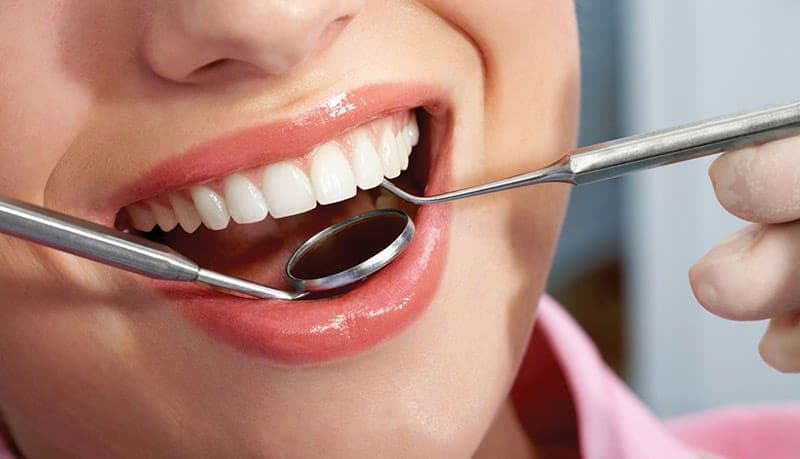
Gums that bleed, swell or pull back from the teeth are usually inflamed, and that inflammation is most often driven by plaque and the hardened tartar it turns into. Brushing that area less will make it worse, and no mouthwash dissolves tartar. What removes it is a professional cleaning — and the earlier that happens, the less of the supporting bone is at stake.
Most people arrive at this symptom without a treatment name in mind. They have a spot of pink in the sink most mornings, a gum that looks puffy behind the lower front teeth, or a tooth that seems to have got longer over a couple of years. What follows is an attempt to sort the useful responses from the ones that feel like doing something.
Why do my gums bleed when I brush?
Bleeding is usually a sign of inflammation from plaque sitting where the gum meets the tooth. Plaque is soft and comes away with brushing; what makes the problem persistent is that once plaque hardens into tartar it is bonded to the tooth. No brush, mouthwash or home remedy removes it at that point — it has to be scaled off.
That is why the symptom is so often chronic rather than acute. The deposit stays, the gum stays in contact with the bacteria in it, and the gum keeps responding the only way it can. Tartar sitting along the gumline keeps bacteria in contact with the gum, and removing it is the single most effective way to stop gingivitis progressing into something that threatens the supporting bone.
The other thing worth knowing early: gum disease, not decay, is the leading reason adults lose teeth. This is not a cosmetic complaint being taken seriously out of politeness.
Should I brush that area less until it settles?
No, and this is the most common self-inflicted mistake. Stopping brushing an area that bleeds makes it worse, because you are leaving the plaque that is causing the inflammation exactly where it is. Keep cleaning the area gently and thoroughly, and get it looked at.
The instinct is understandable — the gum hurts and bleeds, so you avoid it. But the bleeding is the gum reacting to what is on the tooth, not to the brush.
What genuinely helps?
There are three tiers of answer, and which one applies depends entirely on how far things have gone. Nobody can tell you which from a description; it is determined by examining and measuring.
A professional cleaning, for most people. Scaling and polishing removes the plaque and hardened tartar a toothbrush cannot shift, particularly along and just under the gumline, then smooths the tooth surfaces so deposits are slower to return. It is usually a single appointment, needs no anaesthesia for most people (numbing is available if you are sensitive), and has no downtime — you can eat and go back to work the same day. An ultrasonic scaler does most of the work, using high-frequency vibration and a water spray to break tartar away from the tooth rather than scraping it off. Most people describe the experience as vibration and cold water.
Deeper treatment, where pockets have already formed. If the gum has detached from the tooth and pockets have developed, routine cleaning cannot reach into them. Advanced gum treatment begins with full periodontal charting — pocket depths measured around every tooth, bleeding points recorded, mobility assessed and X-rays taken to see the bone level — and then deep cleaning under local anaesthesia to remove deposits from the root surfaces inside those pockets, usually a quadrant at a time. Pockets are re-measured after healing to see which sites responded and which need more than cleaning. Shallower pockets are pockets you can keep clean at home, which is what makes a result hold rather than relapse.
Targeted techniques at the sites that need them. Where pockets persist after deep cleaning, treatment moves to the specific sites rather than the whole mouth — laser therapy, minimally invasive surgical access, or regenerative and grafting procedures. Laser dentistry is not a treatment in itself but a technique used within others: the beam can be directed at diseased tissue while sparing what is healthy alongside it, it seals small blood vessels as it works so there is generally less bleeding than with a scalpel, and less trauma to surrounding tissue often means a more comfortable recovery. It suits some procedures very well and others not at all, which is a decision made at assessment.
What only sounds like it works?
Mouthwash, used as the whole plan. It does not remove tartar. Nothing you rinse with does. Where persistent bad breath is coming from bacteria in plaque and around the gumline — which is a large share of cases — clearing the deposit addresses the cause, while rinsing covers it for an hour.
Switching toothpaste and waiting. A different paste does not change what is already bonded to the tooth surface.
Brushing harder. Hard brushing is not what shifts hardened deposits, and the area that bleeds is generally the area that is not being cleaned properly rather than the area being cleaned too little in force.
Waiting for it to hurt. This is the expensive one. Small cavities, a cracked filling or early gum recession are far easier to deal with when found early, and a cleaning appointment is also an examination. Pain arrives late in gum disease, well after the point at which the cheap version of the fix was available.
Why do my teeth look longer than they used to?
Receding gums expose sensitive root surfaces and make teeth look long. That is a functional issue as much as a cosmetic one, because exposed root is more sensitive and harder to keep clean. Where appropriate, grafting can cover exposed roots.
There is a second version of this that catches people out after treatment. Swollen gums shrink back once the inflammation is treated, so teeth can look longer and the gaps between them more visible afterwards. That is the disease becoming apparent rather than the treatment causing it — but it is worth expecting rather than discovering. The same applies to heavy tartar: where it had been filling spaces between teeth, those spaces feel larger once it is removed. The tartar was not holding anything together.
When does bleeding stop being something to monitor?
Bleeding that does not settle after a proper cleaning and good home care warrants an examination rather than another mouthwash. So does a gum that is pulling away from a tooth, a tooth that feels slightly loose without any injury, or persistent heavy bleeding. Contact the clinic rather than waiting for a routine visit — these are the findings that change what treatment is needed, and they are measured, not guessed at.
Tell the dentist about any heart condition, implanted device, bleeding disorder, or medication you take, and say if you are pregnant or breastfeeding, so the appointment can be adjusted appropriately. Routine cleaning is generally considered safe during pregnancy and gum inflammation is common then. Medical history genuinely matters here for another reason too: diabetes control, smoking and certain medications all affect how gums respond to treatment, which is discussed honestly at assessment because it changes what is realistic.
What stops it coming back?
Whatever stage you are treated at, gum disease is controlled rather than permanently resolved, and it recurs without maintenance. For most people that means a professional cleaning every 6 to 12 months, with a shorter interval if you form tartar quickly, smoke, or have a history of gum disease. After advanced treatment the interval is typically every three to four months. Treatment that is not followed up largely returns to where it started over a few years.
Alongside that sits the unglamorous half: technique guidance for the specific areas you are missing, rather than general advice to brush better.
If your gums have been bleeding for months and the plan so far has been a different mouthwash, the useful next step is having someone measure what is actually happening. The consultation is ₹500, waived off against treatment.
Book an appointment and get it examined rather than managed from the bathroom shelf.