
What Is Beauty Spot? A Plain-English Explanation
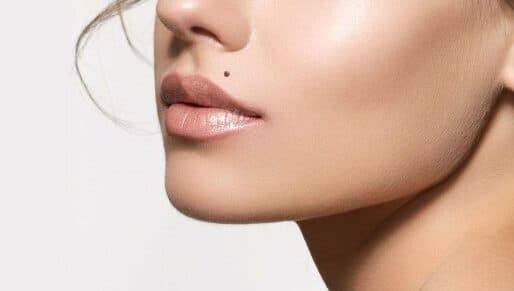
A beauty spot is a small cosmetic mark placed on the face with medical-grade pigment — a single dot, positioned and shade-matched so that it reads as though it has always been there. It is implanted into the skin during a short appointment carried out under a doctor's supervision, it does not wash off, and it is semi permanent, softening gradually rather than staying fixed for life.
If you have only ever seen the term on a treatment menu, that sentence is the whole idea. What follows explains how the position and the colour are arrived at, what the appointment involves, and the handful of things worth knowing before anyone touches your face.
Is it a tattoo?
It shares a mechanism with one, which is exactly why it is treated as a clinical procedure rather than a beauty service. Pigment is implanted into the skin with a single-use sterile needle, using medical-grade pigment, with a doctor supervising.
The differences from body tattooing are the scale and the intent. This is one small dot placed to look like a natural feature, and the pigment is semi permanent — it softens over time rather than staying put indefinitely. That is a deliberate property, not a shortcoming.
Where does it go, and who decides?
You do, and the beauty spot procedure is built around making sure of it. Before any pigment goes in, the intended spot is drawn on and checked with you in a mirror from several angles until you are satisfied.
That step deserves more attention than it usually gets, because position is most of the result. A dot a few millimetres off from where you imagined it reads differently on your face, and unlike the shade, position is not something that can be adjusted afterwards. Take the mirror seriously. Look at yourself smiling, straight on and in profile, and say so if something is not sitting right — that is precisely what the marking stage is for.
How is the colour chosen?
Against your own skin, not from a standard chart. Your skin tone and undertone are assessed and a pigment shade is selected to suit them.
This is the difference between a mark that looks like a feature and one that looks applied. Too dark a shade, or one too cool for your undertone, is what gives a cosmetic beauty spot away. Matching to undertone is the same principle the clinic applies across its semi permanent makeup work, where pigments are chosen for Indian skin undertones rather than borrowed from palettes designed elsewhere.
What actually happens at the appointment?
Four stages, and only one of them involves a needle.
- Consultation and shade matching. Tone and undertone are assessed and a pigment is chosen.
- Marking the position. The spot is drawn on and checked with you in a mirror from several angles.
- Placement. After numbing, pigment is implanted at the agreed point with a single-use sterile needle.
- Healing and review. Aftercare instructions are given, the colour settles over one to two weeks, and it is reviewed afterwards.
The placement itself takes minutes once position and shade are agreed. It is one session, with the review once the colour has settled.
Does it hurt?
A numbing cream goes on first and the placement is over in a few minutes. Most patients describe a brief scratch rather than pain.
What does healing look like?
Not like the finished result, and this is the part that unsettles people who have not been told what to expect.
The colour deepens before it lightens. A small flake forms over the site as it heals, and there may be redness and slight swelling for a day or so, which settles on its own. Over one to two weeks the shade lifts and settles into what it will actually be.
The one instruction that matters: do not pick the flake. Lifting it early takes pigment with it and leaves the mark patchy, which is a repair job rather than a touch-up.
What if it settles lighter than I expected?
That is common and it is intentional. The doctor deliberately starts on the conservative side, because deepening a mark at the review appointment is straightforward and lightening one is not. If you want it stronger once it has healed, that is a normal thing to ask for, and the review exists for the purpose.
The sequencing is the point: light first, darker later if wanted. Done the other way round it becomes a problem rather than a choice.
How long does a beauty spot last?
It is semi permanent, not permanent. The pigment softens gradually, and how fast depends on your skin type, sun exposure and skincare routine. Many patients have it refreshed periodically rather than treating it as a one-off.
If you change your mind, it does fade on its own over time. Removal options exist but are not straightforward, so the honest advice is to be certain at the marking stage rather than counting on reversing it later.
Is this the same as having a mole removed?
No — it is the opposite procedure. A beauty spot creates a cosmetic mark with pigment. Taking off an existing mole or skin tag is radiofrequency cautery, an entirely different treatment, and it requires the lesion to be examined by a doctor first. If that is what you actually want, say so when you call, so the appointment is booked correctly.
Who should not have one?
The procedure is not advised during pregnancy or breastfeeding, over an active skin infection or inflamed skin at the intended site, or for people prone to keloid scarring. Mention a keloid history at the consultation rather than assuming it will not matter.
Allergic reaction and infection are uncommon with medical-grade pigment and sterile technique, but they are not impossible. Contact the clinic promptly if you notice spreading redness, increasing pain or any discharge from the site — those are the signs to report rather than to watch for another few days.
How does it fit with other pigment work?
It is the smallest procedure in the same family. Semi permanent makeup covers brow definition, lip colour and the lash line; lip micropigmentation addresses lip tone specifically and takes a longer appointment and a six-week touch-up. A beauty spot is a single dot and a short visit.
People sometimes ask about combining them. That is a conversation for the consultation, since healing and review schedules differ between treatments.
What does it cost, and what happens next?
The consultation is ₹500, waived off against treatment. It covers the shade match and the position discussion, which are the two decisions that determine whether you like the result.
If you have been drawing one on for years and want it simply to be there, book a consultation — bring a photograph of how you usually draw it, because that is the quickest way to show a doctor exactly what you have in mind.