
What Changes the Cost of Braces & Aligners in India
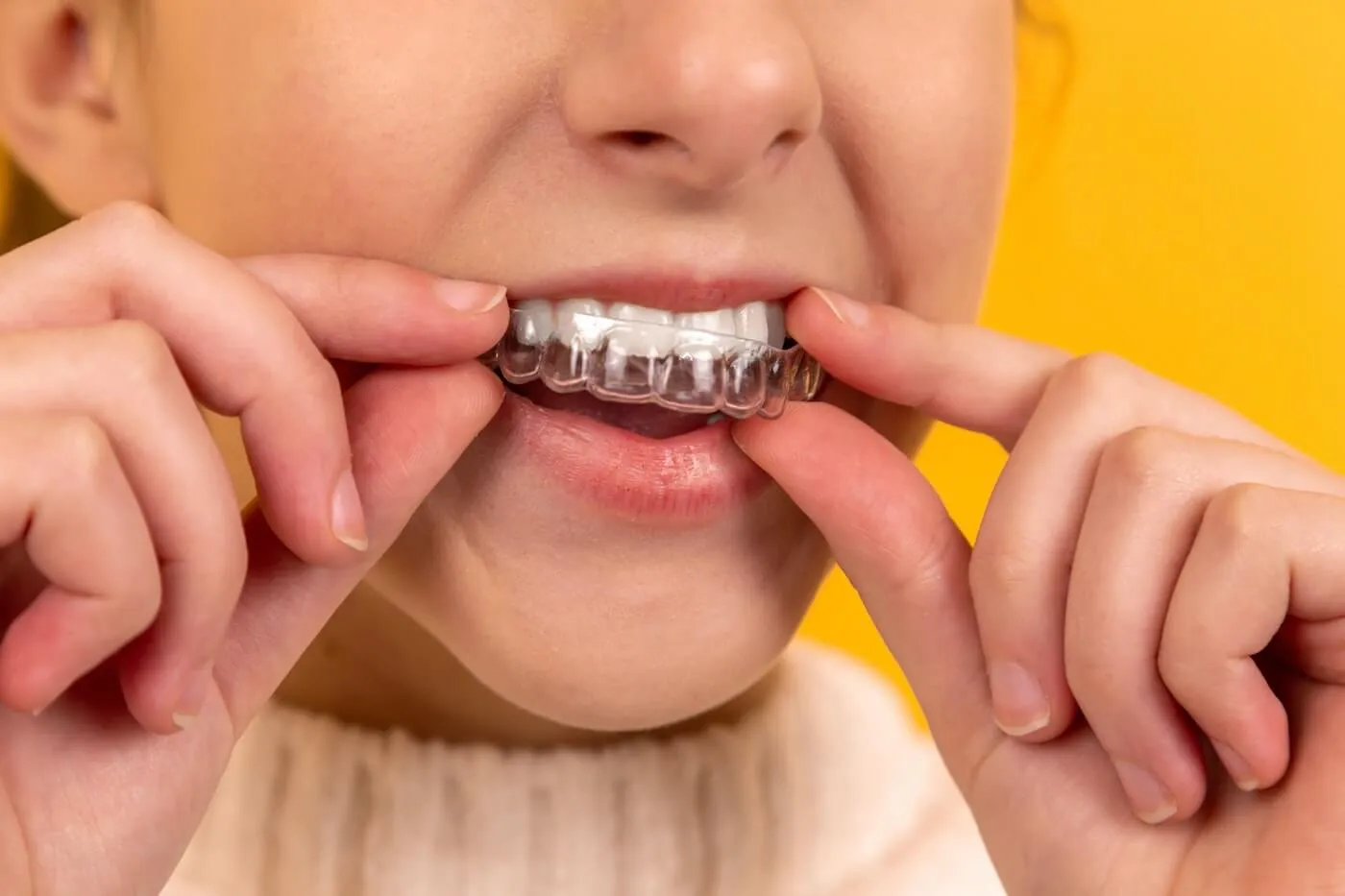
Orthodontic pricing is built from variables rather than read off a list, which is why two people in the same clinic can be quoted very differently. The number moves with how far the teeth actually have to travel, whether the case needs fixed braces or removable trays, how many appointments that takes, and what is or is not bundled in — retainers, preparatory dental work, and replacements included.
Understanding those levers is more useful than hunting for a national average, and we deliberately do not publish one: we have no data on what other practices across India charge, and estimating a range we cannot substantiate would be worse than useless to someone about to spend real money.
Why is there no single price for straightening teeth?
Because "braces" is not one procedure. It is a category covering everything from closing a single gap to unwinding severe crowding and correcting a bite that does not meet. Those are different amounts of work by an order of magnitude, done over different lengths of time, with different appliances.
The clearest proxy is duration. Fixed braces are typically worn for around 18 to 36 months depending on the case. Clear aligner treatment, for cases that suit it, runs roughly 6 to 18 months. That spread is not marketing vagueness — it is the honest range of how much movement different mouths need, and almost everything else that costs money scales with it.
What actually drives the number?
How much movement is needed. Extent is the primary lever. Teeth are moved through bone in planned stages by steady, gentle pressure, and more movement means more stages, more appliance and more chair time. A single rotated tooth and a full arch of crowding with a bite correction are simply not the same job.
Which appliance the case requires. Braces handle a wider range of complex movements; aligners are discreet and removable but only work while they are actually in the mouth. Crucially, this is often not a choice — some cases can only be treated properly with fixed braces, and a dentist should tell you that plainly rather than sell you the appliance you asked for. Where both are genuinely viable, the appliance you pick changes what you pay.
The number of appointments. Both routes involve regular adjustment or progress appointments throughout treatment. A 30-month case has more of them than a 9-month one, and every one of those visits is dentist time.
The work before any appliance goes on. Treatment starts with an orthodontic assessment: examination, X-rays, and impressions or a digital scan to map current tooth positions and the bite. Some mouths also need preparatory dental work before straightening can safely begin. Whether that sits inside the quote or beside it is one of the more common reasons two quotes for "the same" treatment are not comparable.
Who is doing it, and where. Orthodontic work is done by a dentist, always, and clinical time is priced differently in different cities and different practices. This is the variable people assume explains everything; in practice it usually explains less than the case complexity does.
Why is an aligner course priced per tray?
Because that is what an aligner course physically is: a series of removable custom trays, swapped every few weeks, each one manufactured to move your teeth a planned increment. The number of trays your case needs follows from how far the teeth have to go — which is decided at assessment, not chosen from a menu.
Our own confirmed starting figure for braces and aligners is Clear Aligners from ₹1,499 per aligner. Read that as a rate, not as the price of treatment: priced per aligner, how many aligners your case needs is decided by the dentist and confirmed at your consultation. Anyone quoting you a course total before they have examined your mouth and looked at your X-rays is quoting a guess.
Consultation with us is ₹500, waived off against treatment.
What does the headline figure usually leave out?
The retainer. Teeth naturally drift back toward their original positions after treatment, so a retainer is part of the treatment rather than an optional extra. Ask explicitly whether it is included, because relapse without one is the single most common reason a completed result is lost — and re-treating a relapsed case is the most expensive outcome of all.
Replacements. Aligners are removable, which is exactly why they get wrapped in a napkin at lunch and thrown away. Retainers are lost too. Find out what a replacement costs before you need one.
Cosmetic work afterwards. Straightening changes position, not shade or shape. If the shade is part of what bothers you, teeth whitening is a separate treatment using a peroxide-based gel under dental supervision. If what you want is a broader change — shape, shade and alignment together — that is a smile makeover, which is a sequenced plan combining several treatments rather than one procedure, and which is costed at assessment for the same reason.
Does the cheaper option work out cheaper?
Sometimes, and there are two ways it does not.
The first is wear. Aligners only move teeth while they are in your mouth, and they are designed to be worn for the large majority of the day and night, removed for meals and brushing. Inconsistent wear extends treatment — and a longer treatment means more trays and more review appointments than the original plan assumed.
The second is maintenance during treatment. Fixed braces trap food and plaque, and without careful brushing and flossing there is a real risk of decay and white marks on the enamel. Restorative work at the end of an orthodontic case is both avoidable and expensive.
Neither of these is a reason to pick one appliance over the other. They are a reason to weigh the quote against the demands of the appliance, and to be honest with yourself about which you will actually keep up.
How do you get a real number for your case?
By having the case assessed. The examination, X-rays and scan or impressions produce a plan that sets out which appliance suits you, the expected duration, and what the finished result should look like — and a quote follows from that plan rather than preceding it.
Some soreness is normal for a few days after braces are fitted or tightened, and after each new tray, and brackets can rub the inside of the cheek early on. If discomfort persists well beyond a few days, or a bracket or wire is loose or digging in, contact the clinic rather than waiting for the next scheduled visit.
Book a consultation at The Aesthetic Edge in Indiranagar or Bellandur, and get a plan and a figure that belong to your mouth rather than to a national average.