
Scalp Micropigmentation vs Hair Fall Treatment: How to Choose
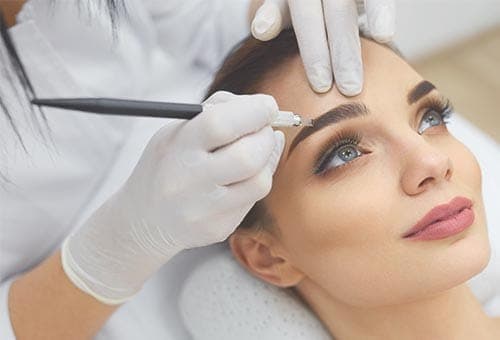
One conceals, the other investigates. Scalp micropigmentation deposits pigment to make thinning less visible on a head of hair kept short. Hair fall treatment starts with a doctor finding out why hair is being lost, then treats that cause. Choose by which problem you actually have — and some people genuinely need both, in that order.
What is the real difference between them?
They belong to different categories, which is why straight comparisons of them tend to mislead.
Scalp micropigmentation is cosmetic camouflage. Tiny deposits of pigment are placed in the scalp to replicate the look of natural hair follicles, so the head reads as closely shaved and denser rather than patchy. It is non-surgical. It does not grow hair, and it does not act on the follicle at all.
Hair fall treatment is a diagnostic pathway. Hair fall is a symptom, not a diagnosis, so a doctor examines your scalp and reviews your history, medication, diet and stress load, and often orders blood work, before anything is suggested. Nutritional deficiency, thyroid imbalance, post-pregnancy shedding, androgenetic pattern loss and scalp inflammation all look similar in the mirror and need completely different treatment.
So one changes how the scalp looks. The other tries to change what the scalp is doing. Neither substitutes for the other.
Side by side
| Scalp micropigmentation | Hair fall treatment | |
|---|---|---|
| What it does | Places pigment to replicate the look of follicles | Identifies the cause, then treats it |
| Grows hair? | No | That is the aim, but no treatment can promise regrowth |
| First step | Consultation and design of hairline, shade and density | Scalp examination, history review, often blood work |
| When you see a change | Immediately after the first session | Reduced shedding often in six to eight weeks; density compared at three months |
| Session length | A few hours | 20 to 45 minutes, depending on the therapy |
| Course | More than one session, over days or weeks | Reviewed at the three-month mark, then adjusted |
| Downtime | None — no incisions | None for most in-clinic therapies |
| Upkeep | Sun protection and periodic touch-ups | Home-care and medication plan, plus review dates |
| Changing your mind | Adjustable, but complete reversal may not be possible | The plan is changed at review if it is not working |
| Consultation | ₹500, waived against treatment | ₹500, waived against treatment |
Two rows on that table decide most cases. The one about growing hair, and the one about changing your mind.
Which is the stronger fit if hair is still falling?
The investigation, almost always.
If you are finding hair on your pillow and in the shower drain every day, if your parting has widened or your ponytail feels thinner, then something is currently happening and it has a cause. Iron, vitamin D, vitamin B12 and thyroid abnormalities are common and treatable contributors, and treating the scalp while leaving a deficiency uncorrected limits how far any therapy can go.
There is also a practical argument. Micropigmentation is designed to be long-lasting and is not straightforwardly undone. Committing to a permanent hairline design while the underlying pattern of loss is still moving means designing around a scalp that may not look the same in two years. Knowing what is driving the loss — and whether it can be slowed — is information you want before that decision, not after it.
Which is the stronger fit if the loss has settled?
Camouflage, and without apology.
The people who get most out of micropigmentation tend to describe themselves in one of three ways. They have accepted the hair loss and simply want the hairline to look defined again. They already keep their hair very short and want the thin patches to stop showing. Or they have a scar on the scalp they would like blended into the surrounding density — how well that blends depends on the scar's texture and age, which is assessed at consultation.
None of those is a person waiting for regrowth. They are people who have made their peace with the situation and want it to look intentional. For that goal, a diagnostic pathway is the wrong tool, and a treatment that shows a visible change from the first session is exactly the right one.
How quickly does each one show something?
This is the widest gap between them, and it is worth being blunt about.
Micropigmentation is visible immediately after the first session. That is not a marketing claim, it is simply what depositing pigment does.
Hair fall treatment moves at the speed hair grows. Reduced shedding is usually the first thing patients notice, often within six to eight weeks. Visible density takes longer, because hair grows roughly a centimetre a month — which is why meaningful comparison photographs are taken at three months and beyond, against standardised baseline images rather than against memory.
If you need to look different for something six weeks away, only one of these two can do that. If you want to still have your own hair in five years, only the other one is trying to.
Can you have both?
Yes, and the order matters.
Diagnosis first is the sequence that makes sense: find out what is driving the loss, treat what is treatable, see where things settle at the three-month review. Then, if there is thinning you have decided to live with, camouflage it knowing what you are camouflaging. Doing it the other way round means making a long-lasting cosmetic decision without the information that would have shaped it.
It is also worth saying that a doctor here will tell you plainly if a case is beyond what non-surgical medical and in-clinic therapies can achieve. That honesty is part of what the diagnostic route is for, and it is often the point at which camouflage becomes the sensible conversation rather than the disappointing one.
What to bring to the consultation
For either route, the useful things are the same: how long the shedding has been going on, whether anyone in your family has the same pattern, any recent illness, pregnancy or medication change, and any blood work you have already had done. Tell your doctor if you are pregnant or breastfeeding — several therapies and medications used for hair fall are not advised then, and the plan is built around it.
Neither treatment has a single published price, because both depend on what is actually needed: the area being covered in one case, the therapies your diagnosis calls for in the other. Figures are given to you at consultation, which is ₹500 and waived against treatment.
If you are not sure which of the two questions you are asking, that is a perfectly reasonable thing to arrive with — sorting it out is the first part of the appointment. Book an appointment and start there.