
Pigmentation, Melasma & Dark Spots: What Actually Works, and What Only Sounds Like It Does
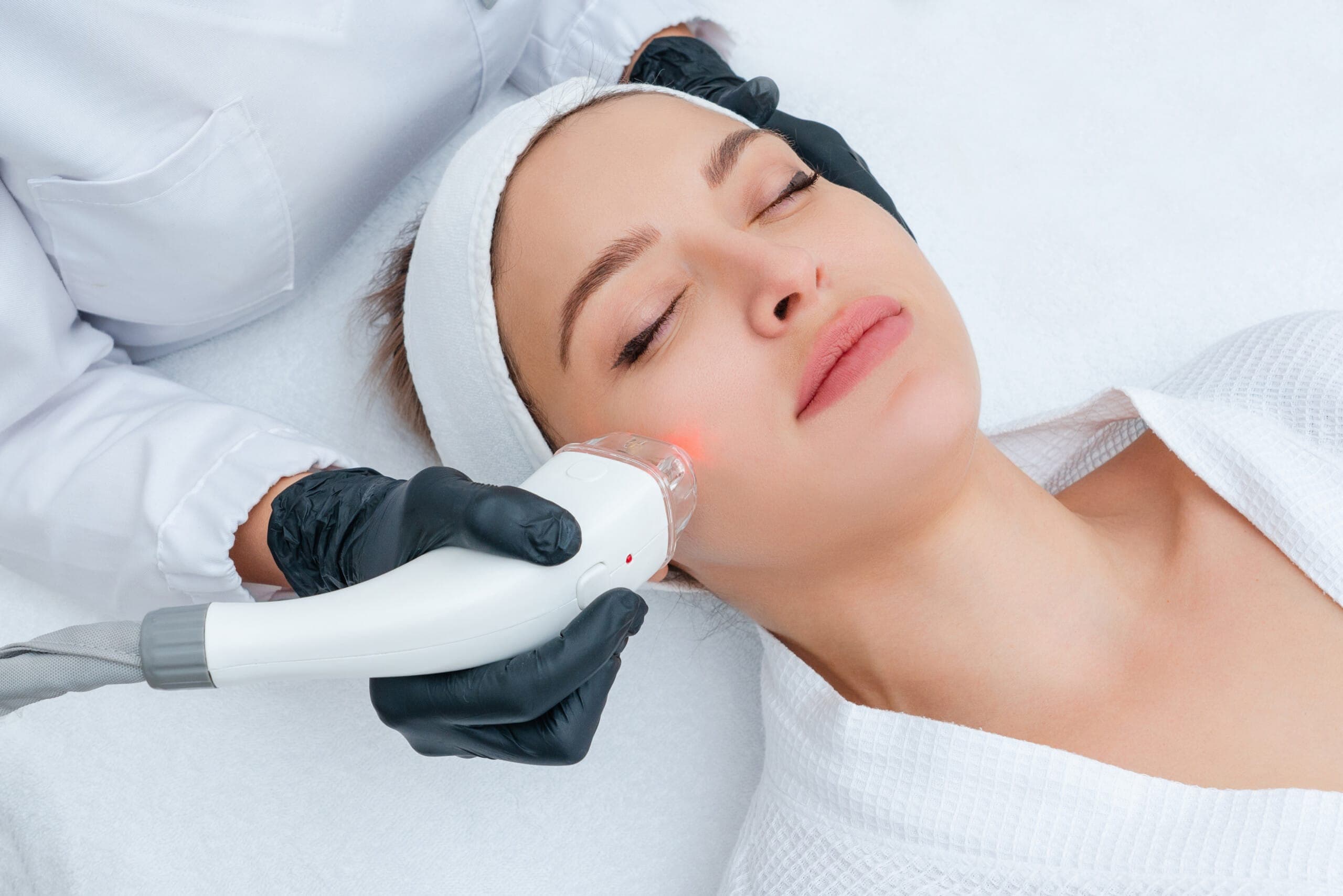
Pigmentation is not one condition. Sun spots, melasma and the flat brown marks left after acne sit at different depths in the skin, and that depth decides what can reach them — a surface treatment cannot lift pigment that is sitting below the surface. Identifying which you have comes before choosing anything, and no cream, peel or laser substitutes for that step.
That is the sentence most pigmentation articles skip, and skipping it is why so many people spend two years on products that were never going to work on what they actually have. What follows is a survey of the options, what each one genuinely reaches, and where the popular shortcuts go wrong.
Why has my pigmentation spread over the years?
The typical story is a patch that started small on one cheek, widened, and became the thing you notice first in every photograph — while a shelf of creams got you a little lightening and then stalled. Nothing about that is unusual, and the plateau is informative rather than a sign you chose badly.
Topical agents work at the surface. Melasma and dermal pigment sit below the level a peel can reach, let alone a cream, which is why a course that starts well can flatten out and stay flat. The other factor is sunlight: sun exposure is the main reason pigmentation returns or worsens, and in a city where a daily commute is a daily UV dose, an untreated patch is being re-provoked faster than any product is clearing it.
Are all my dark patches the same thing?
No, and this is the first thing a doctor establishes. At a Q-Switch laser assessment the doctor identifies what the pigmentation actually is — sun damage, melasma, post-inflammatory marks — because the cause decides the settings and the number of sessions.
The same distinction matters for peels. Flat brown or red marks left after a breakout are pigment, and they respond to treatments aimed at pigment. True acne scars are changes in skin texture, and treating them as though they were stains does not work. Your doctor will tell you which of the two you have — which is genuinely not something you can settle by looking in a mirror, or by matching your face to a photograph online.
What genuinely helps?
Q-Switch laser, for pigment that sits deep. It delivers extremely short, high-energy pulses that shatter unwanted pigment into particles small enough for the body to clear, while leaving the surrounding skin intact. Because melasma and dermal pigment sit below the level a peel can reach, this is the mainstay for stubborn pigmentation, and it is also used for freckles, sun spots, acne marks, birthmarks and tattoo ink. There is no downtime — most people return to normal activity the same day, with treated skin settling fully in about a week.
Chemical peels, for surface pigment and texture. A chemical peel uses a controlled solution to lift away dead surface cells so fresher skin comes through, improving texture and the look of marks. Peels lift pigmented surface cells and encourage turnover underneath, so post-acne marks and other shallow discolouration read as lighter over a course. A retinoid-based yellow peel is used mainly for pigmentation, melasma, dullness and fine lines — worn for several hours and washed off at home rather than neutralised in the clinic.
Daily sun protection, which is not the boring part. Sunscreen and any prescribed lightening cream are what keep cleared pigment from coming back. Daily SPF 50 and avoiding direct sun for a week after a laser session are not optional extras; they are the difference between a result that holds and one that rebounds.
Maintenance, in its proper place. A Hydra Medi Facial is a maintenance treatment rather than a corrective one — three stages in a single sitting that cleanse and infuse the skin with actives, exfoliate away dead cells, and oxygenate so those actives absorb. Most patients see refined texture and a more even, radiant tone from the first treatment, and it is suitable for all skin types including sensitive skin. What it is not is a treatment for deep pigment. Booking it expecting melasma to lift is a category error, and an honest clinic will say so before you pay for a course of them.
What only sounds like it works?
Exfoliating harder at home. Skin that looks dull and rough no matter how much you scrub is usually telling you the problem is not on the surface. On deeper skin tones there is a specific hazard here: a treatment that is too aggressive for your skin type causes pigmentation rather than clearing it, which is precisely why peel depth and solution are chosen after an assessment and a patch test rather than picked off a menu.
Buying a stronger peel because the mild one did little. Same trap, one step further along. Depth is a medical decision for a reason, and deeper pigmented skin is more prone to post-inflammatory pigmentation.
Picking at flaking skin. Picking is what turns a normal recovery into a mark. So is skipping the aftercare — no waxing, threading or bleaching for a week after a peel, no sensitising products for 72 hours, and broad-spectrum sunscreen every day.
Judging a laser session in the first week. Treated pigment often looks darker before it lifts, and mild redness is common. Both settle over roughly a week. That darkening is expected, not a sign something has gone wrong — but people abandon a working course over it.
Expecting a permanent end to melasma. Melasma is a chronic, relapsing condition. Laser toning manages it well, and maintenance plus topical treatment is usually part of holding the result long term. Any plan that does not mention maintenance is not being straight with you.
Is laser treatment appropriate for Indian skin?
Yes, and the mechanism is the reason. The pulse is short enough to shatter pigment particles while surrounding tissue barely heats, which is what makes it usable on deeper skin tones that burn easily with other lasers. It should still only be performed under medical supervision, with eye shields and controlled energy settings, and the plan adjusted between visits based on how your skin responded.
Peels are similarly appropriate when the depth and solution are chosen for your skin type by a doctor and a patch test is done first. Mandelic acid is gentler on deeper skin tones; salicylic suits oily, congested skin; glycolic and lactic are used for dullness and uneven tone. The agent is a decision, not a preference.
What does a course actually involve?
For overall skin rejuvenation and pigmentation, around six Q-Switch sessions is typical; tattoo removal usually takes more and depends on the ink. Before each session, exfoliants, bleaching creams and retinoids are stopped three days ahead and sun exposure avoided for two weeks, so the skin is at a safe baseline. During the session, short high-energy pulses are passed over the area with eye shields in place — most people describe minimal discomfort, similar to a rubber band snapping against the skin, with cooling used throughout.
Then you wait. Fragmented pigment is cleared by your body over the weeks after each session, so lightening is gradual and continues between visits. Sessions are spaced to allow that, and your doctor reviews the response before each one. Peels follow the same logic: superficial peels are repeated several times over a few months, medium and deep peels fewer, on a schedule your doctor sets.
When is treatment not the right answer right now?
Active bacterial, fungal or viral skin infection including herpes simplex, psoriasis in the area, skin cancer, and pregnancy or breastfeeding all rule out laser treatment for the time being. For peels, pregnancy and breastfeeding, diabetes for certain peels, recent isotretinoin or other acne medication, and recent cosmetic surgery all change what can safely be used. Say all of it at consultation — it is not a formality.
And if a patch is new, changing, or behaving unlike the rest of your pigmentation, have it examined before treating it cosmetically. The assessment exists to work out what the pigment is before anything is aimed at it. If skin stays red or genuinely irritated after any treatment rather than settling, contact the clinic instead of managing it at home.
The consultation is ₹500, waived off against treatment, and its most useful output is often the sentence that tells you which of your marks are surface and which are not.
Book an appointment and start with the diagnosis rather than the product.