
How Long Do Dental Crowns Actually Last?
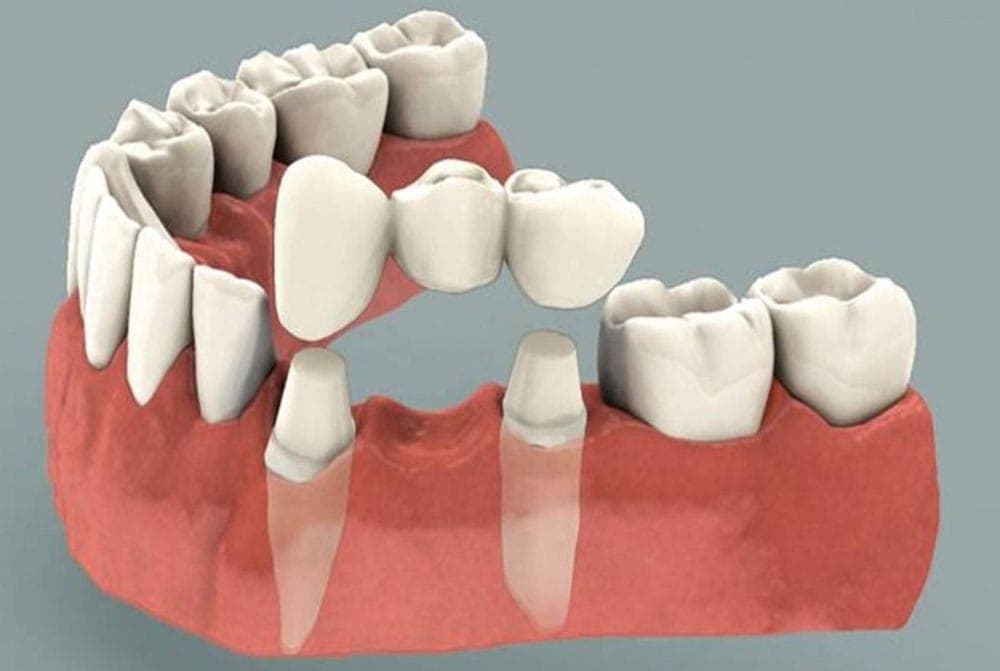
Commonly a decade or more, with good hygiene and regular check-ups. The honest caveat is that the number is not a property of the crown alone: how long yours lasts depends on the material it is made from, where in the mouth it sits, and whether you grind your teeth. A crown on a back molar in a heavy grinder's mouth and a crown on a front tooth in a careful one are doing very different jobs.
That is why "how long do they last" is really three questions — what it is made of, what you ask of it, and how well it is looked after. This post takes each in turn, and covers the part most people are not told: the signs that mean an existing crown needs attention rather than another year of waiting. The full picture of how Bridges & Crowns work is on the treatment page; here the focus is longevity.
What actually is a crown, and how is it different from a bridge?
A crown is a cap fitted over a weakened, cracked or heavily filled tooth to restore its strength and shape — it covers and protects one existing tooth. A bridge replaces a missing tooth, using crowns on the teeth either side of the gap to hold the replacement in place. Both are custom-made to match your own teeth in shade and shape.
The distinction matters for lifespan because their jobs differ. A crown's core purpose is protective: a tooth that is cracked, heavily filled or root-treated is at real risk of fracturing, and the crown holds it together and takes force off the remaining tooth structure. A bridge is doing that for its two supporting teeth and spanning a gap, so it is carrying load across three units rather than one.
Getting either is usually two visits — preparation, then fitting — with local anaesthesia during preparation and a temporary crown or bridge protecting the prepared tooth in between. Materials are discussed at planning, and tooth-coloured options are available. Everything is performed by a dentist, always.
What shortens a crown's life?
Three things, all named in the same breath as the lifespan itself: material, position, and grinding. The first two are decided at planning — which is exactly why the material conversation is worth having properly rather than leaving to the clinic's default, since a molar taking heavy chewing forces and a front tooth in the smile line are different engineering problems.
Grinding is the one you bring with you, and it is worth mentioning at your appointment even if you are not certain you do it. Many people grind at night without knowing; if you wake with a tight jaw or your partner has mentioned the sound, say so at planning rather than after a crown has already been made. It changes what a dentist recommends.
Then there is hygiene and regular check-ups, which is where the "decade or more" figure comes from in the first place. A crown does not decay, but the tooth underneath it and the gum around it are entirely ordinary tissue — they need the same brushing, flossing and periodic professional attention as everything else in your mouth. In Bangalore, where dental check-ups tend to slide behind everything else in a busy year, that is the single most controllable variable in this whole post.
What are the signs my crown needs attention?
Anything that has changed. A crown that has started to feel loose, a tooth that has become sensitive where it was not before, food that begins catching around the margin, or a bite that suddenly feels different on that side — none of these tells you the cause, and all of them are worth an appointment rather than a wait-and-see. Do not diagnose it from a search result, including this one.
The reason to move promptly is what a crown is for. It exists to hold a weakened tooth together and keep chewing force off the remaining structure. When something about that arrangement changes, the tooth underneath is the thing at stake — and it is a tooth that was already vulnerable enough to need a crown in the first place. This is not a cosmetic issue; the protection is the point.
Should I have a bridge or an implant?
A bridge is quicker and does not involve surgery, but it requires reshaping the teeth either side of the gap. A Dental Implant / Teeth Implant leaves those teeth untouched but takes longer and needs sufficient bone. Your dentist will set out both for your specific gap, because the deciding facts — the condition of the neighbouring teeth and how much bone you have — are found by examining you.
Worth noting on either route: filling the space is not only about the gap itself. Teeth drift into an unfilled space and the opposing tooth over-erupts into it, so filling it keeps the arch and the bite stable and returns chewing load to where it belongs instead of concentrating it on a few remaining teeth. And unlike a partial denture, a bridge is cemented in place — nothing to take out, nothing to remember at night.
On appearance: modern crowns and bridges are shade-matched and contoured to the neighbouring teeth, so a well-made restoration in the smile line should be hard to identify. Where several teeth in that zone need work at once, planning them together as a Smile Makeover usually produces a more coherent result than doing them one at a time.
Get an existing crown checked before it decides for you
If a crown of yours has started to feel loose, sensitive or simply different, or you have had one for a long time and no idea what condition it is in, that is what a check-up is for. Book an appointment at The Aesthetic Edge — Indiranagar or Bellandur — and you will get a straight assessment of what you have, how it is holding up, and whether anything needs doing now rather than later.