
How BB Glow Treatment Actually Works
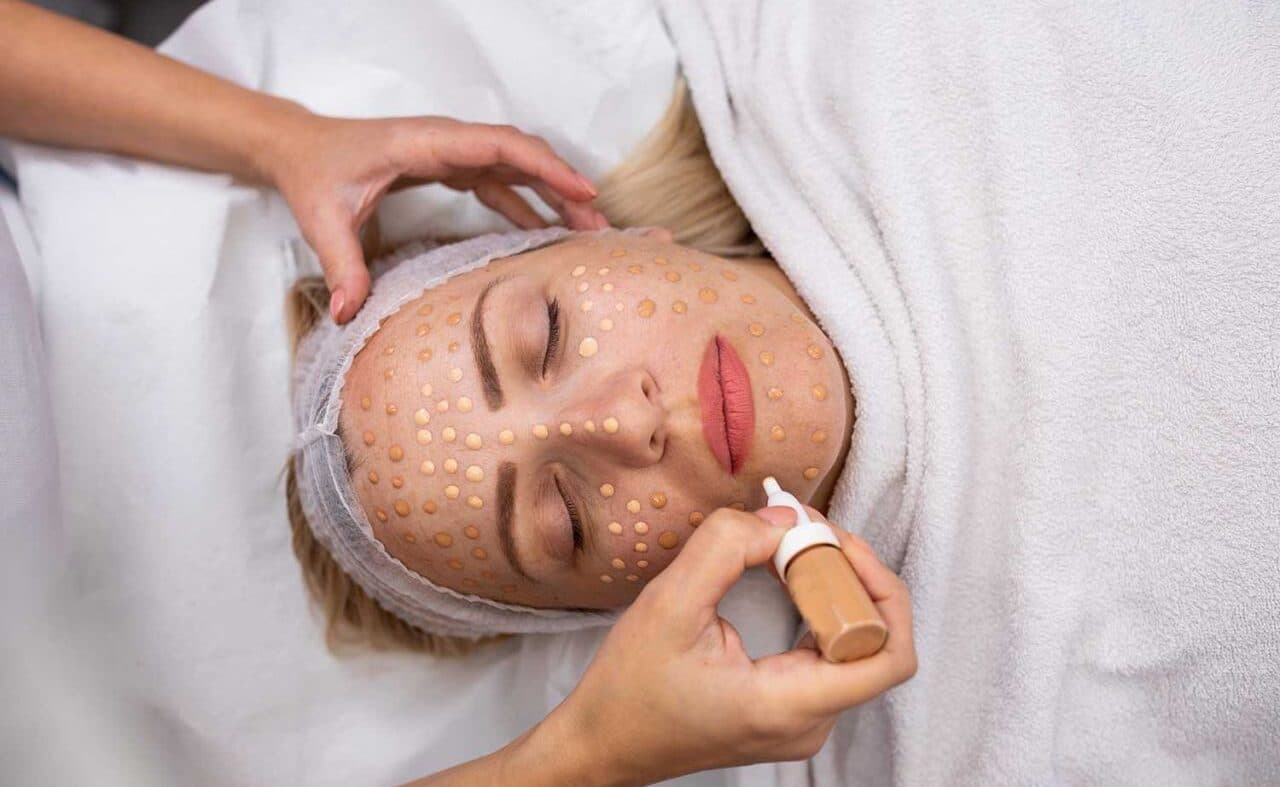
A micro-needling pen carries a tinted, skin-nourishing serum into the upper layers of the skin. The tint stays in those upper layers, which is why uneven tone reads softer and more uniform for several weeks at a time rather than for an afternoon or for years.
Almost everything people find confusing about this treatment follows from that one detail — the depth the pen stops at. It explains why the result is measured in weeks, why the serum is not just pigment, why a doctor is the one holding the pen, and why there are things the method will not reach no matter how many sessions you book. This page is for the reader who wants to understand the mechanism before agreeing to it.
What is actually being put into my skin?
A tinted serum — but the tint is only part of the formulation. BB Glow Treatment uses a serum that carries hyaluronic acid and skin-nourishing ingredients alongside the pigment, so the skin is being conditioned at the same time as it is being tinted. Those two jobs happen in one pass; they are not separate steps you could book individually.
That matters for how you judge the result. If you came looking only for colour, the hydration is doing quiet work you may credit to something else. And if you came looking only for hydration, the pigment is doing something a serum applied at home does not — it is being placed, in the skin, rather than sitting on top of it.
Which serum you get is not a fixed product off a shelf, either. A doctor reviews your skin type and the cause of your pigmentation before any serum is chosen. That assessment comes before the pen, not after it.
Why does the depth decide how long it lasts?
Because the tint is held in the upper layers of the skin, not placed deep beneath them. Pigment that sits shallow holds for a while and then stops holding — which is exactly what the timeline describes: roughly four to six weeks from a completed course, with a top-up around every four to five months to keep it there.
This is the honest answer to the question people really mean when they ask whether BB Glow is permanent. It is not, and that is not a shortcoming of the technique — it is the technique. A procedure designed to place pigment deeply and keep it for years is a different procedure with different rules and different risks. Lip Micropigmentation, for example, is its own treatment with its own page and its own commitment; it is not BB Glow done on the lips.
So a course is built the way it is for a reason. Four to six sessions, spaced about two weeks apart, is the usual shape — the spacing is part of the method, not a scheduling convenience.
Why does a doctor assess the cause of my pigmentation first?
Because the method changes how tone reads, and that is a different thing from acting on whatever caused the unevenness. Softening the look of patchiness is what the serum does well. It is not a treatment aimed at the underlying cause, so establishing what that cause is — before anything is placed in the skin — is the step that decides whether this is the right route for you at all.
The same assessment covers skin type and any active breakouts, and it is repeated at each visit rather than done once at the start. That is the practical difference between a doctor-supervised procedure and a service booked off a menu: there is a needling pen involved, with real aftercare and real reasons somebody might be told to wait.
It is also why the answer to "can I just book it?" is no — there is a consultation first, and the fee for it is waived against treatment if you go ahead.
What should I expect to feel, and why can the settings change?
Most people describe a slight tingling as the pen passes over the skin, and the treatment is designed to be comfortable. If it feels like more than that at any point, say so during the session: the settings can be adjusted.
That last part is worth understanding rather than filing away as reassurance. The settings are how the depth is controlled, and the depth is the mechanism. Being able to adjust mid-session is not a comfort feature bolted onto the procedure — it is the operator changing the variable that the whole result depends on, in response to the skin in front of them.
The session itself runs about an hour including skin preparation. Afterwards, mild redness or a feeling of tightness is usual and generally settles within three or four days, and makeup is out for the rest of the treatment day — which is a small thing to plan for but easy to forget when you have booked over a lunch break.
What the mechanism will and will not give you
The most accurate expectation to hold is the one patients report themselves: they reach for foundation and concealer less often between sessions, rather than retiring them. That is what shallow, temporary, evenly placed tint does. A treatment that softens how unevenness reads is genuinely useful if daily coverage is the thing wearing you down. It is the wrong tool if what you want is for the unevenness itself to be addressed.
Several things decide how long your result holds, and they are not all in the clinic's hands: skin type, sun exposure, and how consistently you follow the aftercare.
Does living in Bangalore change any of this?
It changes one of those three variables considerably. Sun exposure is a year-round factor here, not a seasonal one — Bangalore's cloud cover during the monsoon months is not the same as an absence of UV, and the pleasant weather makes it easy to be outdoors far more than you register. Of the things that shorten a result, that is the one most people underestimate.
The fortnightly rhythm is the other local consideration. Sessions roughly two weeks apart across a couple of months is a real commitment against Bangalore traffic, so it is worth being honest with yourself about which branch you will actually get to on a weekday evening — Bellandur or Indiranagar — before the course starts rather than halfway through it.
If this is not the mechanism you need
That is a legitimate conclusion to reach from an explainer, and reaching it before you book is the point of reading one. If what you have described to yourself is marks you want addressed rather than tone you want to read more evenly, a Chemical Peel works on a different principle entirely and has its own page.
The decision does not have to be made from a page, though. Bring the question to the assessment — what is causing my unevenness, and is softening how it reads the right answer for it? That is precisely what the consultation is for, and it is the same assessment that decides which serum you would be given. Book an appointment at either branch and ask it directly; the fee is waived against treatment if you go ahead.