
Why Lip Pigmentation Comes Back After Treatment (And How to Stop It)
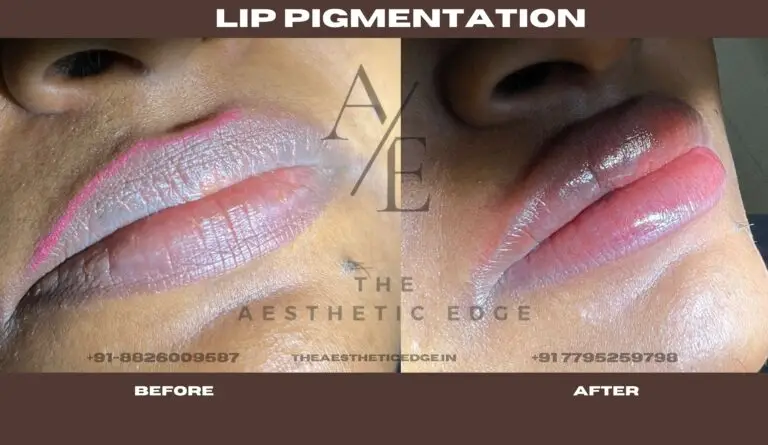
It is the most deflating message a clinic can receive: "the treatment worked, but my lips are darkening again." It is also, almost always, predictable — and preventable. Here is the mechanism, the usual suspects, and the plan that breaks the cycle.
Pigmentation is a response, not a condition
Melanocytes — the pigment-producing cells in your lips — do not darken skin out of spite. They respond to irritation: UV, chemical contact, heat, friction, inflammation. Treatment clears the pigment they have already made. It does nothing to the trigger that made them produce it. Leave the trigger in place and the cells go straight back to work, usually on a three-to-six month delay that makes the recurrence feel mysterious. It is not mysterious. It is a stimulus doing what stimuli do.
Removing the pigment without removing the cause buys you a few good months, not a result.
The five triggers, and how to actually eliminate each
1. Sun. The dominant cause in our Bangalore practice — two-wheeler commutes and window seats deliver UV to lips that never see sunscreen. The fix is unglamorous and non-negotiable: an SPF lip balm, applied as habitually as your morning sunscreen, reapplied for long rides. Patients who adopt this one habit hold their results dramatically longer than patients who do not.
2. Product reactions. Toothpastes (certain flavouring and foaming agents), long-wear and matte lipsticks, and even "herbal" balms can drive a low-grade contact reaction that repigments treated lips within months. The tell: darkening that follows where the product sits. The fix is a swap, not willpower — we help identify the likely culprit and what to replace it with. If the reaction is active, treating pigment before changing the product is throwing money at a moving target.
3. Deficiency. Low iron or B12 shows on lips more often than people expect. If bloods found a deficiency the first time round, the maintenance plan is keeping it corrected — supplements are cheaper than repeat laser. If you were never tested and your pigment recurred, that test is the first step of round two.
4. Smoking. Heat and chemistry, applied to the lips several times daily. There is no clinic-side workaround for this one, and we will not pretend otherwise: treatment lightens, smoking re-darkens, and the race is not winnable. What we can do is time treatment around a quit attempt, when the results genuinely hold.
5. Habitual lip-licking and biting. Chronic moisture and friction cause low-grade inflammation, which pigments. It usually rides along with dryness — which the SPF balm habit also fixes, making this the cheapest trigger to kill.
What a stay-light maintenance plan looks like
After the treatment course — whether that was laser, peels or a combination — the protocol that keeps lips where the course left them is short: daily SPF lip protection, the trigger swap made permanent, any deficiency kept corrected, and a prescription topical used as directed for the first months. We photograph lips at every visit under the same lighting, so if pigment does begin creeping back it is caught at the two-session stage rather than the start-over stage.
For patients whose base lip tone is genetic rather than triggered — or who simply want a warmer colour than treatment alone produces — lip micropigmentation is the durable alternative: rather than fighting recurring pigment, a chosen colour is implanted semi-permanently. Different tool, different problem, often the right answer for the person on their third lightening attempt.
When recurrence means see a doctor, not rebook a treatment
If treated lips re-darken suddenly, or with cracking, burning or soreness, do not book a repeat course — book an assessment. Fast changes usually point at an active reaction or a deficiency, and either one deserves diagnosis before anyone treats pigment again. The full map of causes and treatments is in our companion piece, lip pigmentation: every cause, every treatment.
Breaking the cycle takes one properly diagnosed course and two small habits. If you are somewhere in the middle of the cycle instead, book a consultation at Indiranagar or Bellandur — bring whatever balm, lipstick and toothpaste you use daily. The culprit is often in the bag.