
After BB Glow Treatment: What's Normal and What Means Call the Clinic
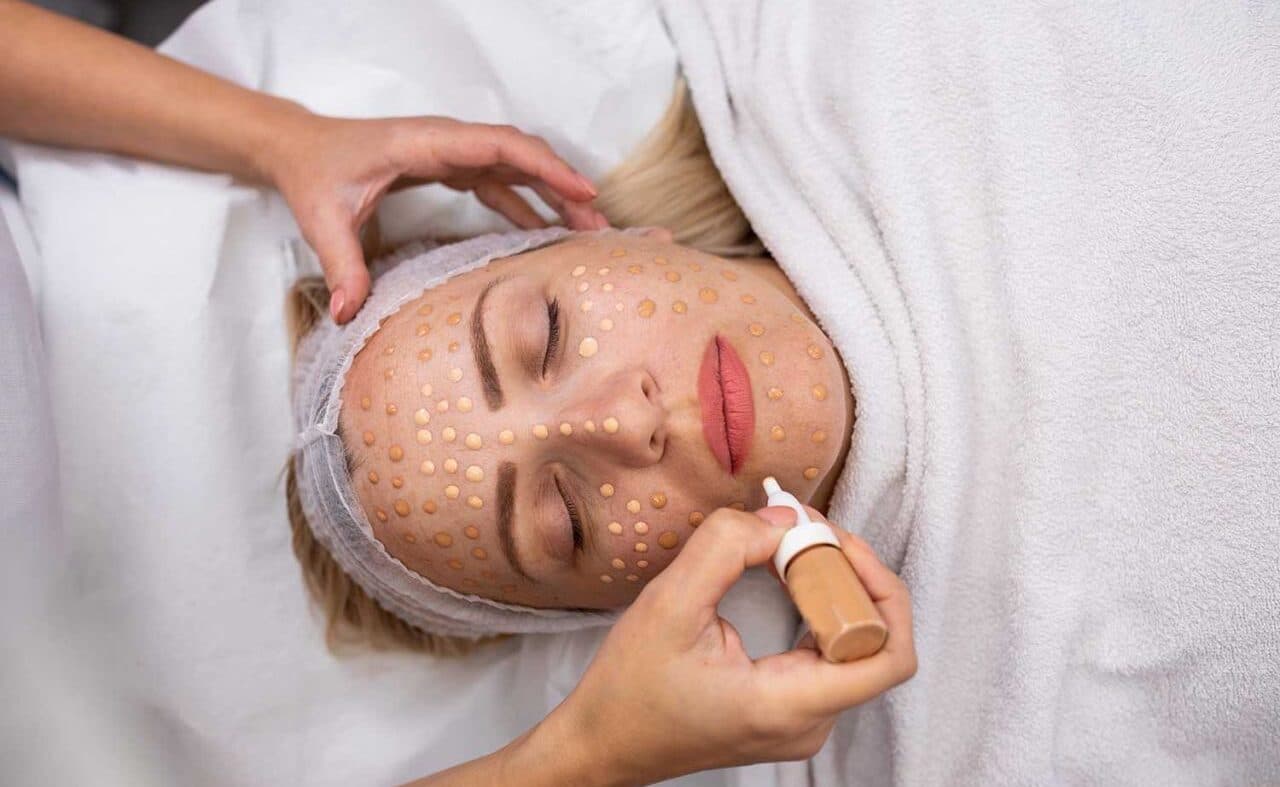
Tightness, redness and mild irritation are common after BB Glow and usually settle within three to four days. The signs that mean ringing the clinic rather than waiting are: redness that is worsening rather than fading, spreading redness or heat after day two, swelling that worsens instead of settling, weeping or crusting, or a fever. Those warrant a call, not a wait.
Keep that list somewhere you can find it. The rest of this page is the ordinary version of recovery, written so you can tell the two apart — but please read the section on self-assessing before you use any of it to reassure yourself.
What is normal in the first 24 hours?
Pink, warm skin. Our clinic's own description is that the face feels roughly like light sunburn for the first few hours. Some tightness comes with it.
The rules for this window are strict and they exist because the fine channels made during the session have not closed yet. Do not wash your face for the rest of the day. No makeup — including the foundation you would normally reach for over redness. No gym, steam room, sauna or swimming. Do not touch your face with unwashed hands.
The BB Glow protocol is a micro-needling one, which is why the aftercare in the first day looks more like wound care than skincare.
What is normal on days two to four?
Tightness, most commonly. Our treatment core documents tightness, redness and mild irritation as common in the first few days and usually settled within three to four days.
From day two you can cleanse gently — lukewarm water, a mild non-foaming cleanser, no scrubbing and no washcloth, patting dry rather than rubbing. Keep the skin moisturised, more often than you usually would. Sunscreen goes back on as soon as the skin tolerates it, and after that it is daily and not optional.
The direction of travel is the thing to watch. Redness that is gradually fading across these days is the ordinary pattern. Redness that is getting worse is the sign our core singles out to report.
Is flaking normal? Can I help it along?
Fine, dusty flaking through roughly days two to four is the surface turning over, and it is expected.
Do not pick it, and do not help it. Picking lifts pigment unevenly and risks marking the skin. This is one of the few places where doing nothing is the active instruction. If the skin feels dry and tight, the answer is more moisturiser and more often, not exfoliation.
For about a week, keep retinoids and retinol, AHAs and BHAs, physical scrubs and exfoliating tools out of your routine, along with facials, waxing and threading on the treated area. Across the whole course, retinol and acids stay out.
My tone looks patchy — should I be worried?
The tint settles over several days, and patchiness in the first 48 hours is common and usually resolves on its own.
Patchiness that is still there past a week is worth a call. Not because it means anything in particular — that is for a doctor to look at and say — but because it is outside the pattern the clinic expects, and it is easier to address early than late.
What about spots after a session?
Congested or breakout-prone skin can push out small spots in the first week, particularly if the serum is richer than your skin likes. Tiny firm white bumps can also appear where product has been driven into skin that was not fully cleared beforehand.
Both are things to mention at your next session so the plan can be adjusted, and both are things you can ring about sooner if they are bothering you. Do not start treating them with actives on your own — the actives are exactly what your aftercare has asked you to pause.
What should make me ring the clinic instead of waiting?
This is the section this page exists for. Call rather than waiting for your next appointment if you have any of the following:
- Redness that is worsening rather than fading. This is the one our treatment core names directly.
- Spreading redness or heat after day two.
- Swelling that worsens instead of settling.
- Any weeping or crusting.
- A fever.
- Itching or stinging that continues beyond the first day.
- Patchy colour that has not evened out after a week.
- Anything at all about the treated skin that is worrying you, including things not on this list.
That last one is not filler. A list written in advance cannot cover everything a face can do, and we would far rather answer a call that turns out to be nothing than have you sit on something for a fortnight because it did not match a bullet point.
These are uncommon. All of them are easier to deal with early.
Should I work this out for myself?
No — and this is the honest advice rather than the cautious-sounding one.
Please do not try to self-assess by comparing your face to photographs on the internet, in a WhatsApp group, or on a forum. Lighting, skin tone, camera and timing all differ, the pictures are rarely dated accurately, and none of them were taken of your skin by someone who assessed it before treatment. This page deliberately tells you what should prompt a call and does not tell you what any sign means, because what it means is a clinical judgement made by a doctor looking at you.
You are also not being a nuisance by ringing. Your doctor assessed your skin type, your breakouts and the cause of your pigmentation before choosing a serum; following that up is part of the same course of care, not an imposition on it.
How do I actually reach someone, and what if I cannot?
Telephone the clinic you were treated at — we have branches in Indiranagar and Bellandur — and say that you have had BB Glow and describe what has changed. If you cannot get through immediately, keep trying rather than deciding to leave it until your next scheduled visit.
If you are unwell with a fever, or if something is getting worse quickly and you cannot reach us, do not wait for the clinic to open. Seek medical care the same day — a doctor, an urgent care service or a hospital, whichever you can reach. That advice applies regardless of whether you think the two things are related. Being assessed and told it is nothing is a good outcome.
What is normal in the weeks that follow?
Fading, gradually. A completed course holds its effect for around four to six weeks, with maintenance every four to five months, and the effect goes as the skin renews itself rather than stopping abruptly.
Treated skin stays more reactive to UV, so sunlight, steam rooms and saunas should be avoided for two weeks after a session, and daily sunscreen continues well beyond that.
If your skin has not tolerated the course comfortably, say so. That is a legitimate outcome to raise, and a doctor may suggest a different route — a chemical peel works on texture and marks rather than on how evenly tone reads, with the depth and solution chosen for your skin type. If what you actually want is settled colour in one specific area, that is a different conversation again, of the kind lip micropigmentation belongs to.
What to do next
If you are mid-course and something on the list above applies, ring today. If you are still deciding whether to start, the assessment is where suitability is established — BB Glow is not offered during pregnancy or breastfeeding, over active infections, open wounds or skin cancer, or where there is a known allergy to any ingredient in the serum, and a doctor screens for all of that beforehand.
Consultation is ₹500, waived off against treatment. Book an appointment and bring any questions about recovery with you — the ones you ask before the first session are the ones you will be glad of on day two.