
Fat Freezing: The Worldwide Trend, Assessed for Indian Skin
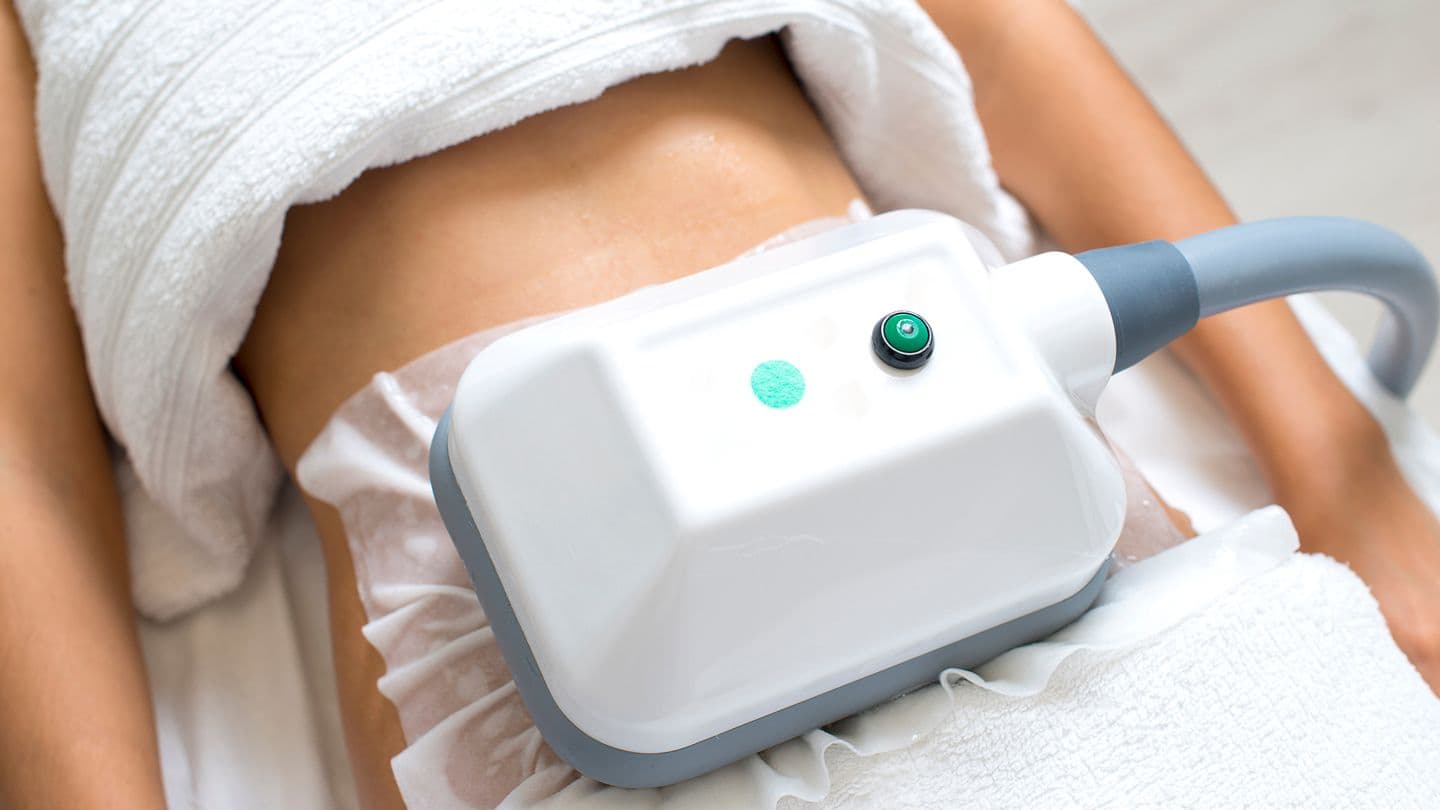
Fat freezing — the technique properly called cryolipolysis — uses controlled cooling to target fat cells in one specific area, without surgery, incisions or anaesthetic. It is a real, doctor-delivered treatment, and it reduces a localised pocket of fat rather than body weight. The trend has outrun the explanation, particularly in India, where it is frequently sold as something it is not.
This piece is written for an Indian reader deciding whether the thing they have seen on social media is worth a consultation. It covers what the technique does, what can honestly be claimed for it, how skin tone and climate bear on it, and where the marketing around it goes wrong.
What is fat freezing, and is it the same as the brand names I have seen?
The technique is one thing; the brand names are many. Controlled cooling applied through the skin to a marked area of fat, held for a set period, after which the body clears the treated fat gradually — that is the technique, and every device-maker in the category is doing a version of it. Several international brands market their own machines and their own trademarked names for it.
Naming a brand is not the same as offering it. We are not going to list manufacturers here and imply an association we do not have. What we offer is Cool Sculpting, and if you want to know exactly which platform is used on you, ask at your consultation — that is a reasonable question and you should get a straight answer to it anywhere.
What does the evidence honestly support?
A reduction of fat in one treated area, developing over weeks, in someone already near a stable weight. That is the claim the technique supports. It is narrower than the trend suggests, and it is genuine.
What it does not support is weight loss. This is body contouring: it reduces fat in a specific pocket, and it does not change what the scales say. If overall weight is the goal, this is the wrong treatment and you should be told so rather than sold a course. In India in particular, fat freezing is often advertised inside a broader "slimming" package, and that framing is the single most common misrepresentation of it.
It also does not support a same-day change. The treated fat is cleared gradually, so the difference shows over the weeks following a session and is assessed at a follow-up appointment. Before-and-after images posted a week apart are not describing this treatment.
And the honest picture includes the uncommon outcomes. Contour irregularity has been reported with cooling-based fat reduction, and so — rarely — has an increase in fat in the treated area. Any clinic that leaves that out of the conversation is selling rather than consenting you. Raise any unexpected change with your doctor rather than waiting to see what happens.
Does it suit deeper skin tones?
The mechanism is worth understanding here, because it differs from the treatments that genuinely require caution with deeper skin.
Cooling acts on fat beneath the skin. It is not a light-based treatment, so the concern that applies to some lasers and light devices — that the energy is absorbed by pigment in the skin — does not arise in the same way. That is a statement about how the technique works, not a promise about your skin. The same logic is why radiofrequency platforms such as Evolve are generally suitable across skin tones: they heat tissue rather than targeting pigment.
Two practical points follow. First, suitability is still confirmed by a doctor at assessment rather than assumed from a mechanism. Second, if you know that your skin tends to darken after any inflammation, injury or procedure, say so at the consultation and say it early. It belongs in the same conversation as your medical history, and your doctor should factor it into what is recommended for you and how the area is looked after afterwards.
What about the climate, and fitting it around real life?
The practical Indian consideration is less about heat and more about time, and this is where the treatment genuinely fares well. There is almost no downtime. Most patients resume normal activities immediately after the session, including going straight back to work — there is no recovery period to plan around and nothing to heal.
You should still expect the treated area to be uncomfortable for a short while. Redness, swelling and bruising are common and generally settle within hours to a few days. The area is often numb once the applicator comes off, with sensation usually returning within a few hours, though reduced sensation can persist for some days. Mild aching, tenderness or cramping in the first days is common. In warm weather, plan for loose clothing over a tender area rather than for time off.
The session itself runs roughly 35 to 90 minutes per area. The first several minutes are intensely cold with a strong pulling sensation; that usually fades once the area goes numb, and most patients work or read through the rest.
Are the home fat-freezing belts sold online the same thing?
No. A consumer device bought online has not assessed you, and the assessment is not a formality — it is what makes the treatment safe to have.
Before anything is applied here, a doctor examines the area, confirms the fat is the type this treatment can address, and reviews your medical history for contraindications. Some of those are absolute. Cooling-based fat reduction is not advised during pregnancy or breastfeeding, and it is ruled out for anyone with cold-related conditions such as cryoglobulinaemia, cold agglutinin disease or paroxysmal cold haemoglobinuria. A hernia at the treatment site rules it out too.
None of those is something you can screen yourself for from a product listing, and a hernia in particular is exactly the sort of thing a person may not know they have. That is the argument against the home devices, and it is not a commercial one.
Not everyone who walks in is a candidate either. A doctor here will tell you if what you are describing is better addressed another way rather than booking you in for a course.
When should I contact the clinic after a session?
Whenever the pattern is not the one you were told to expect — and without trying to decide for yourself whether it is important.
Get in touch with us if pain is increasing rather than easing after the first few days, if swelling is spreading or the skin becomes hot, red and tender, if the skin blisters, breaks down or changes colour in a way that does not look like ordinary bruising, if numbness is not recovering, if the treated area develops an irregular contour or looks fuller rather than flatter, or if you run a fever.
Please do not self-assess any of that, and please do not wait for a scheduled follow-up if something is worrying you in the meantime. Ring the clinic, describe what you are seeing, and we will bring you in for a review. Being seen early and told all is well is a far better outcome than the alternative.
What are the alternatives if this turns out not to fit?
Cooling is one route to a localised pocket of fat, and not always the right one. Lipolytic injections use an injected agent to break down fat in a small, defined area, which reaches places a device applicator struggles with — under the chin and along the jaw are the common examples. Evolve is a hands-free platform whose three modes address skin tightening, muscle stimulation and localised fat, which matters when loose skin or weak muscle tone is part of what you are actually seeing rather than fat alone.
Those three things can look alike in a mirror and respond to entirely different treatments, which is the real reason the consultation is worth having before the decision rather than after it.
What does it cost, and what should I ask for?
We do not publish a headline figure for cool sculpting, because there is not an honest one to publish. The cost depends on the area being treated and the number of sessions it realistically needs — smaller areas often need one or two, larger areas may need four to six — and quoting the cheapest case as a starting price would set exactly the wrong expectation.
Ask for three things before you commit: the specific area, the session count, and the total. You should be given all three at consultation. A consultation is ₹500, waived off against treatment.
If you would like an assessment — including being told plainly if this is not the right treatment for you — book an appointment at our Indiranagar or Bellandur clinic.