
Dermaplaning in Bangalore: What Local Conditions Change
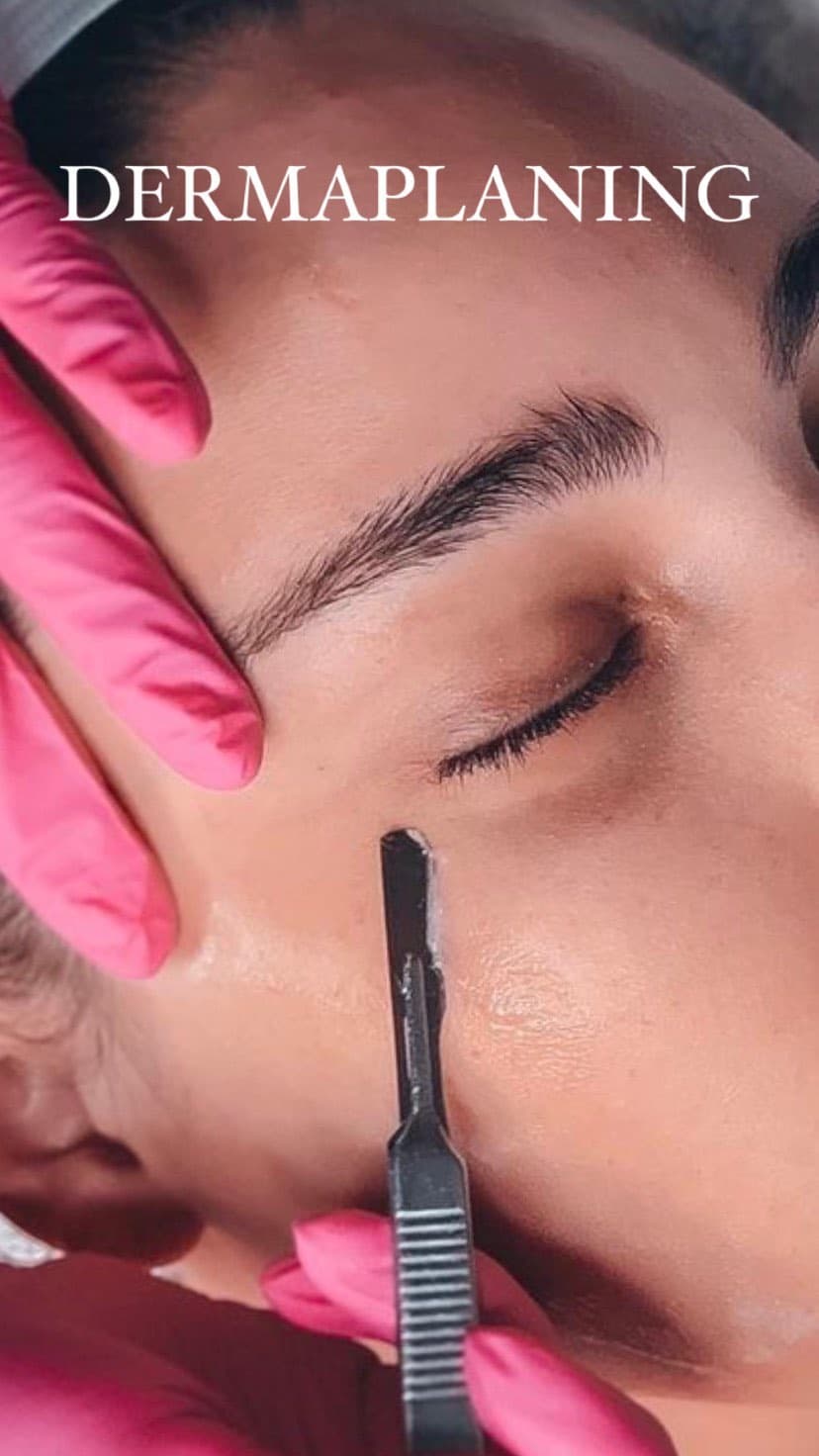
Bangalore changes the aftercare more than it changes the treatment. Dermaplaning is the same procedure anywhere — a sterile blade lifting dead surface cells and fine facial hair, with no downtime. What differs locally is that skin is more sun-sensitive for roughly a week afterwards, and this city carries a meaningful ultraviolet load all year rather than in a summer season you can plan around.
That single fact reorganises most of the practical advice. Here is what Dermaplaning asks of you in Bangalore specifically, and what is simply the same as it would be anywhere.
Does Bangalore's climate actually change the treatment?
No. The protocol does not vary by city: assessment, cleanse and dry, blade work in short flat strokes, then a calming serum and sunscreen. A session runs 30 to 45 minutes and there is nothing to recover from.
What varies is the environment the treated skin walks back out into. That is where the local detail earns its place, and it is almost entirely about the week afterwards rather than the half hour itself.
Why does the sun-sensitive week matter more here?
Because Bangalore's pleasantness is misleading. The city sits at roughly 13 degrees north, close enough to the equator that the sun climbs high overhead for much of the year, and at around 900 metres of elevation, where there is slightly less atmosphere overhead to attenuate ultraviolet light. The two together mean the UV load does not politely retreat for a winter.
What Bangalore does have is moderate temperature. That is the trap. A comfortable 26-degree afternoon in December feels nothing like a punishing one, so the instinct to reach for sunscreen simply does not fire — and heat is not what burns skin. In the week after dermaplaning, when part of the surface layer that ordinarily helps shield the skin has been removed and is still rebuilding, that instinct gap is worth closing deliberately.
Sunscreen is applied before you leave the clinic. Treat it as part of the treatment for the following week rather than as a suggestion, and reapply if you are outdoors for any length of time.
What does the monsoon change?
Cloud is the thing to be careful about, and the mistake is an easy one. During the southwest monsoon from about June to September, and again during the northeast monsoon spell in October and November, Bangalore spends whole days overcast. Overcast does not mean the ultraviolet has gone; a grey day still delivers a substantial fraction of it. Skipping sunscreen because the sky is dull is the most common way the post-treatment week goes wrong here.
Humidity has a more mundane effect. Freshly dermaplaned skin takes makeup unusually well, which is precisely the reason many people book before an event — but a humid Bangalore evening is a humid evening regardless of what your skin is doing underneath. Plan for that the way you already do; nothing about dermaplaning changes how the weather treats your foundation.
If you are caught in the rain, that is not a problem in itself. Reapplying sunscreen once you are dry is the sensible response, not panic.
Does a session fit around a Bangalore working day?
That is genuinely one of the treatment's better local arguments. At 30 to 45 minutes with no downtime and makeup permitted the same day, it fits a lunch break in a way that most skin treatments do not. You can return to work straight afterwards.
The commute is the part worth thinking about. If your day involves an hour each way on the Outer Ring Road or anywhere else the traffic decides to sit, that is an hour of daylight through glass — real incidental exposure that accumulates quietly across the sensitive week. Sunscreen in the morning covers it. So does a scheduling choice: many patients book a late-afternoon slot so the journey home is the last daylight their skin sees that day.
Most people arrive from work with makeup and the day's grime on the face anyway. The skin is cleansed and dried fully at the clinic in any case, since the blade cannot be used safely on damp skin, so you do not need to arrive prepared.
How should the local event calendar affect timing?
Dermaplaning is repeated roughly every three to four weeks, in step with the skin's own renewal cycle, and the smoothness holds for about that same period. That cadence is the thing to plan backwards from.
For a wedding, a shoot or anything you will be photographed at, book so the session falls comfortably before the date rather than the evening before. The result is visible immediately, so there is no waiting period to accommodate — but leaving a few days' margin means that if the assessment finds a reason to postpone, you have not lost your only opportunity. Bangalore's wedding and festival calendar is dense enough that clinic diaries fill in the same weeks everyone else is planning for, which is a practical argument for booking early rather than a clinical one.
Are there days when it will not go ahead?
Yes, and the assessment exists to catch them. Active cold sores, sunburn, broken or infected skin and some skin conditions mean the treatment is deferred or declined. Active inflammatory acne is the most frequent one: a blade crossing inflamed spots, pustules or cysts can spread bacteria and make them worse. Settled acne, where the concern is texture or residual marks, is often fine.
Sunburn deserves a specific mention locally. Because the UV here does not announce itself with heat, patients occasionally arrive mildly burnt without having registered it — after a weekend outdoors, a long drive or a day at a venue with no shade. If that has happened, the session is rescheduled. That is not the clinic being awkward; exfoliating skin that is already inflamed is simply the wrong sequence.
What should make you contact the clinic afterwards?
Please do not try to decide for yourself whether something is expected. Get in touch with the clinic that treated you if pinkness lasts beyond a day or two, if a graze does not look like it is healing, if the skin becomes genuinely painful rather than mildly sensitive, or if a cold sore appears after the session. The same applies if you burn during the sensitive week.
Ring the clinic or arrange a review appointment. Both branches would rather look at something in its first days than hear about it a fortnight later, and nobody minds the question.
Where can you have it done?
The Aesthetic Edge runs two Bangalore clinics, in Indiranagar and in Bellandur, and dermaplaning is performed by a trained clinician under doctor supervision at both. Pick whichever is the shorter journey on the day you are booking — for a 30-minute treatment, the commute is often the longer half of the outing.
Dermaplaning starts from ₹1,999 per treatment. A consultation is ₹500, waived off against treatment. Whether dermaplaning suits your skin at all, and whether something like a Hydra Medi Facial or a doctor-selected chemical peel is a more appropriate starting point, is decided in person rather than in advance.
Book an appointment at either clinic and someone will assess your skin before recommending anything.