
Dental Implants vs Bridges: How to Actually Choose Between Them
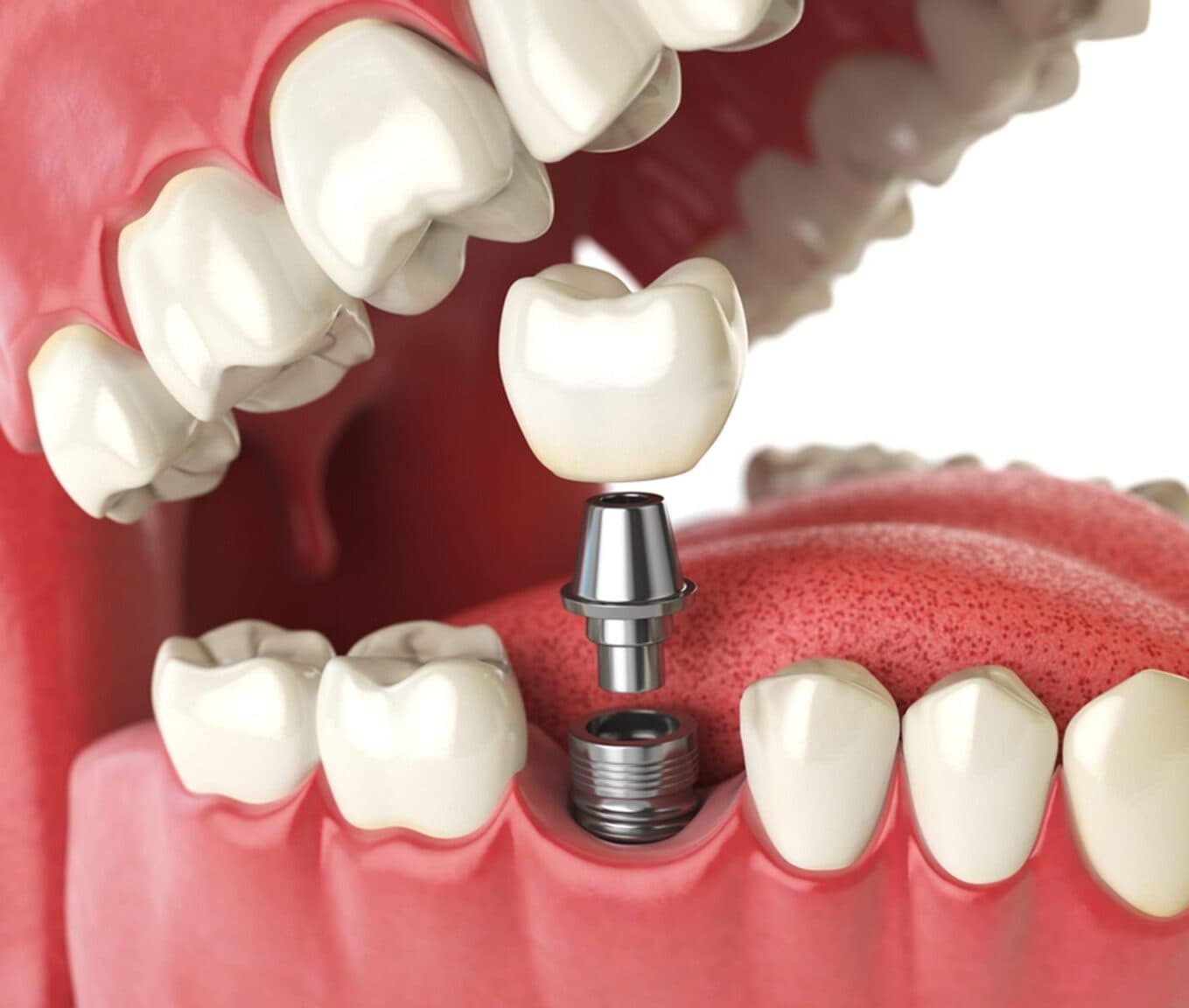
The core difference between an implant and a bridge is what each asks of the rest of your mouth. A dental implant is an artificial tooth root — usually titanium — placed into the jawbone to support a replacement tooth: it stands entirely on its own, leaving the healthy teeth beside the gap untouched. A conventional bridge takes the opposite approach: it spans the gap by using the two teeth on either side as supports, which means those teeth are reshaped to carry it. Almost every other consideration — longevity, bone health, cost over time — flows from that single structural difference.
If you are weighing the two after losing a tooth, this comparison walks through the axes that actually decide it. The full picture of what Dental Implants / Teeth Implants involve is on the treatment page; here the job is helping you choose.
What does each option do to the neighbouring teeth?
This is the axis to weigh first, because it is the irreversible one. A bridge requires the two teeth beside the gap to be reshaped so the bridge can be cemented over them — and reshaping healthy enamel is a one-way step. If those neighbouring teeth are already crowned or heavily filled, that trade costs little, and a bridge puts them to work sensibly. If they are pristine, you are spending two healthy teeth to replace one missing one.
An implant asks nothing of the neighbours. It stands on its own root in the bone, so healthy teeth stay exactly as they are. For a single missing tooth flanked by untouched teeth, that is the consideration that most often settles the question.
Which one is better for the jawbone?
The implant is the only option that addresses the bone at all — and this is the difference you cannot see in the mirror. The jaw loses bone where a tooth root is missing, because bone stays healthy by being loaded. A bridge replaces the visible tooth but leaves the socket beneath it unloaded, so the slow bone loss under the gap continues. An implant transmits chewing forces into the bone the way a natural root does, which helps slow that loss.
Day to day, both options are fixed — neither slips or clicks while you speak the way a removable appliance can — and an implant-supported crown is shaped and shaded to sit with your own teeth, so biting and chewing feel close to what they did before the tooth was lost. The implant is cleaned like a natural tooth: no adhesives, no nightly soaking, nothing to remove. Where several teeth in the smile zone need attention at once, the planning conversation sometimes widens into a Smile Makeover, but for a single gap the implant-versus-bridge question stands on its own.
How do the timelines and lifespans compare?
The implant asks for more patience up front and repays it in durability. The full implant treatment typically runs three to four visits across several months, because the implant needs time to fuse with the jawbone before the final tooth is attached — the exact timeline depends on bone quality and whether any grafting is needed. Placement is done under local anaesthesia, so the procedure itself should not hurt; soreness and swelling for a few days afterwards are normal and are managed with medication and post-operative care. A bridge, being cemented onto prepared teeth rather than fused into bone, reaches its finish line sooner — the details of that route live on the Bridges & Crowns page.
On lifespan: with good oral hygiene and regular check-ups, implants are intended as a long-term replacement rather than something replaced every few years — though the crown on top may need replacing sooner than the implant itself. That durability is also the honest way to think about cost. The comparison that matters is not the first invoice but the cost over the years: what each option asks up front, what it is likely to need replaced or redone over time, and what condition it leaves the neighbouring teeth and bone in. Ask for that over-time picture at your consultation rather than comparing single numbers — it is the frame in which the two options can actually be compared fairly.
Who is a candidate for which?
Bone decides more than preference does. An implant needs enough healthy jawbone to fuse into; where bone has already thinned — often because the tooth has been missing a while — grafting may be needed first, which the assessment and imaging will establish. A bridge needs sound teeth on both sides of the gap to carry it. So the same mouth can point clearly one way or the other: a long-standing gap with reduced bone but strong neighbours leans bridge; a fresh gap with good bone and untouched neighbours leans implant. Implants are also not limited to single teeth — they can support a single crown, a bridge spanning several missing teeth, or a full arch, with the number of implants decided at the planning stage.
One practical Bangalore note: the implant's multi-visit, several-month timeline sounds demanding, but the individual appointments are short and plannable — this is a treatment that fits around a working calendar far more easily than its overall duration suggests, at either our Indiranagar or Bellandur clinic.
Let the examination cast the deciding vote
Everything above narrows the choice; an examination finishes it. The state of your neighbouring teeth, the bone at the gap, and how long the tooth has been missing are facts a dentist reads in minutes — and they usually make the decision feel obvious rather than agonising. Book an appointment at The Aesthetic Edge, Indiranagar or Bellandur, and get the two options priced and planned against your actual mouth, with the trade-offs of each laid out plainly before you commit to either.